Oil, grease, resin, ink and adhesive collect on machines and surfaces in every workshop and factory. The question facing a maintenance manager in Umm Al Quwain is whether to clean with a solvent, a water-based detergent or a combination of both. Each does something different, and choosing right saves time, money and risk.
Solvent cleaners and water-based cleaners at a glance
| Solvent cleaner | Water-based detergent | |
|---|---|---|
| Works on | Heavy oil, grease, resin, adhesive, ink, paint | Dust, light oil, food residue, general dirt |
| Speed | Fast, evaporates and leaves little residue | Slower, needs rinsing |
| Fire risk | High for most, with low flash points | Low |
| Health risk | Vapours, skin contact | Mostly skin and eye irritation |
| Best for | Parts washing, pre-coating prep, stubborn deposits | Floors, tanks, vehicles, food-area washdown |
Solvents worth knowing
- Acetone and MEK: fast cleaners for resin, adhesive and cured ink. See acetone and MEK.
- Isopropyl alcohol: a milder wipe for electronics and plastics. Available as isopropyl alcohol.
- Ethyl acetate and n-butanol: slower-drying solvents for coatings, inks and resin work. See ethyl acetate and n-butanol.
- Glycol ethers such as butyl glycol: dissolve both oily and water-soluble dirt, which makes them popular in heavy-duty degreasers and water-based cleaner formulations.
- Methylene chloride: a powerful paint stripper and degreaser that does not burn, but with serious health concerns. It needs strict controls, and many buyers prefer an alternative. Ask us before you specify it.
Water-based cleaning: surfactants and alkalis
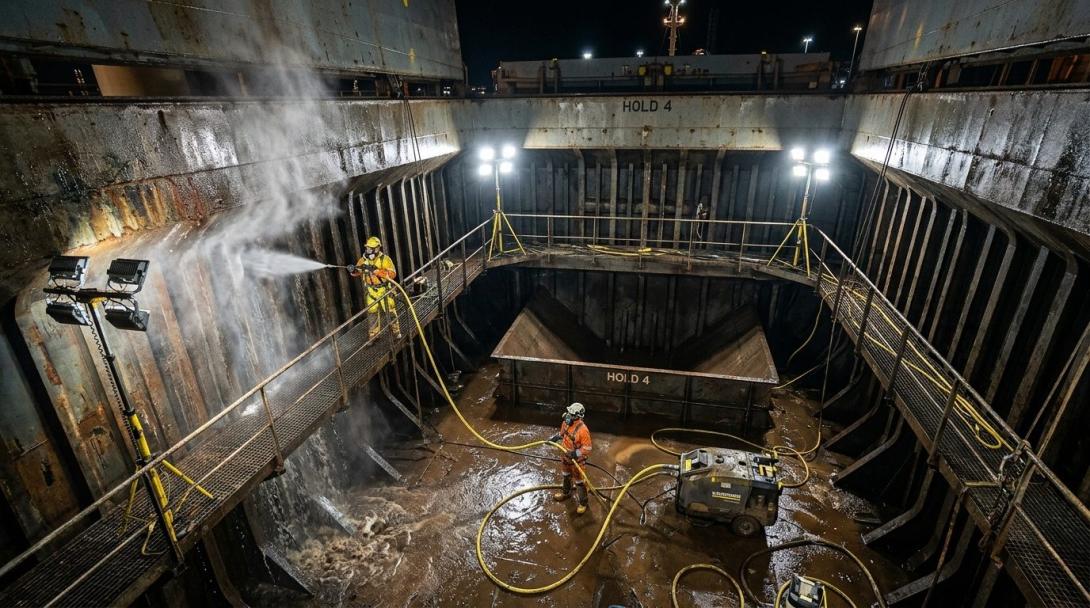
Water-based degreasers use surfactants to lift oil, plus an alkali such as caustic soda or soda ash for heavy grease, and sometimes a glycol ether to help. They suit tank cleaning, floor washing, vehicle and boat washing and kitchen or food-plant washdown. They need contact time, agitation and a good rinse. Raw ingredients such as SLES are available if you mix your own.
A simple selection method
- Identify the soil. Mineral oil and grease, resin, ink, food residue and scale each respond to different chemicals.
- Identify the surface. Check whether it is metal, painted, plastic, rubber or electronic. Strong solvents attack many plastics and seals.
- Consider where the work happens. Open yard, ventilated bay or closed room decide how much solvent vapour you can accept.
- Trial small first. Test on an inconspicuous area before large-scale use.
- Plan waste. Spent solvent and oily wash water must go to an authorised waste handler, not the drain.
Safety basics for every cleaning chemical
- Read the safety data sheet and keep a copy at the point of use.
- Use chemical-resistant gloves, eye protection and, for solvents, suitable respiratory protection.
- Remove ignition sources and avoid static sparks around flammable solvents.
- Keep containers closed and labelled, including any bottle you decant into.
- Never mix cleaning chemicals, particularly bleach with acids or ammonia products.
Cleaning chemicals for Umm Al Quwain businesses
Fujairah Chemical supplies solvents, cleaning raw materials and ready-to-use industrial cleaners to workshops, fleets, boat yards and factories, and can arrange delivery to Umm Al Quwain. Describe the soil and surface and we will recommend the product and send a quotation. Call +971 9 224 2524, email fujairahchemical@gmail.com, or see the product list.
Frequently asked questions
Is a solvent cleaner better than a water-based one?
Neither is better in general. Solvents win on heavy oil and resin, while water-based cleaners win on safety and cost for routine washing.
Can I reuse solvent?
Used solvent can be reused for rough cleaning until it is loaded with dirt, but it must then be disposed of through an authorised handler.
What is a good alternative to methylene chloride?
It depends on the job. Blends based on ketones, acetates or glycol ethers often work. Tell us what you are removing and we will suggest options.