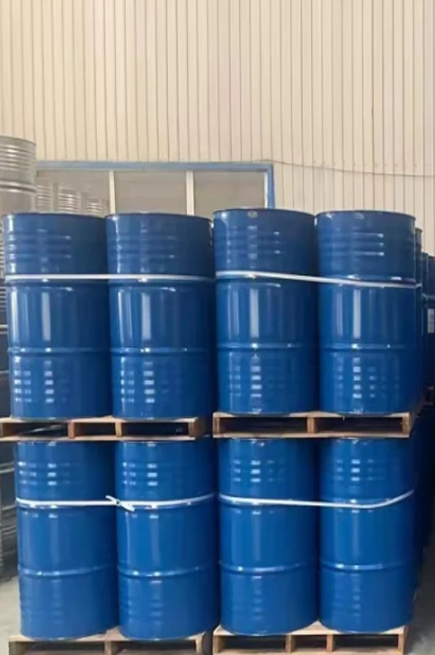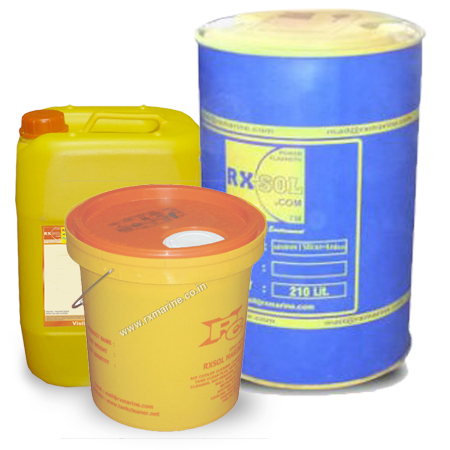
Activated Carbon Granular

Granular Activated Carbon Used in ETP/Waste Water Treatment Grade & Etc

SKU: RXSOL-26-3107-055 Category:

Description

Granular Activated Carbon manufacturer and supplier
Granular Activated Carbon has a relatively larger particle size compared to powdered Activated Carbon and consequently, presents a smaller external surface. Diffusion of the adsorbate is thus an important factor. These carbons are therefore preferred for all absorption of gases and vapors as their rate of diffusion are faster. Granulated carbons are used for water treatment, deodorization and separation of components of flow system and is also used in rapid mix basins. GAC can be either in granular or extruded form.






Product Details

Application

Activated carbon is useful in drinking water treatment because it acts as an adsorbent , and can effectively remove particles and  organics from water. These organics are of great concern in water treatment because they react with many disinfectants, especially chlorine.
 

The use of granular Activated Carbon in wastewater treatment systems is a proven process for removal of organic compounds. As a tertiary treatment method, carbon adsorption and regeneration have been used to process domestic wastewaters contaminated with industrial wastes of organic origin as well as biologically treated waste waters. Activated Carbon, when contacted with water containing organic material, will remove these compounds selectively by a combination of adsorption of the less polar molecules, filtration of the larger particles, and partial deposition of colloidal material on the exterior surface. The quantity of Activated Carbon required will depend upon the degree of contamination.

Dosage & Procedure

Activated Carbon is a very active product with a high proportion of medium and large pores high surface area 1050 meter square per gram.  It is recommended for the adsorption of large quantities of high molecular weight substances.
An amorphous from of carbon characterized by high adsorptivity for many gases, vapors, and collodial solids.

Used for water and air purification, solvent recovery, waste treatment, removal of sulfur oxide from stack gases and "clean'' rooms as deodorant, and for air conditioning.

Technical Specifications

Mesh Size 4X8, 8X16,16X32 We are manufacturer size can be set as Per Requirement.
 

Physical

Appearance: Dark Grey / black powder
Specific Gravity: .22-.32
Pour Point: 2150ºC
Flash Point: Not flammable

Chemical

Type: Charcoal
Solubility: Negligible (water, oil)
pH: 4.0-6.0
Microtox: Not applicable


Notes & Precautions

An amorphous from of carbon characterized by high adsorptivity for many gases, vapors, and collodial solids.

Used for water and air purification, solvent recovery, waste treatment, removal of sulfur oxide from stack gases and "clean'' rooms as deodorant, and for air conditioning.

#ActivatedCARBON_UAE
#ActivatedCARBON_Sudan
#ActivatedCARBON_Nairobi
#ActivatedCARBON_MuscatOMAN
#ActivatedCARBON_MumbaiINDIA_Kolkata_Gandhidham_Vizag_Chennai

Active Matter

100

Generic / Chemical Name

Carbon for ETP, Waste Water Treatment Grade

Areas of Use

Activated Carbon is a porous material that removes organic compounds, pollutants, contaminants and other impurities from liquids, gases, chemicals, metals, etc. Our diversed Product Portfolio ranges from Acid Washed Grade Activated Carbon, Unwashed Grade Activated Carbon, Granular Activated Carbon upto Powdered Grades of Activated Carbon. In addition to our vivid range of products, we also provide a varied choice in the manufacturing base of Activated Carbon. viz. Coconut Shell Based, Wood Based and Coal Based Activated Carbons.
 
Activated Carbon is commonly used to adsorb natural organic compounds, taste and odour compounds, and synthetic organic chemicals in drinking water treatment. Adsorption is both physical as well as chemical process of accumulating a substance at the interface between liquid and solids phases. Activated Carbon is an effective adsorbent owing to its high porosity and availability of a larger surface area for better and efficient contaminant adsorption. Activated Carbon is available as Powdered Activated Carbon (PAC) and Granular Activated Carbon (GAC).


RXSOL Coal Based Activated Carbon USES and application in Petroleum and Refinery Field.

RXSOL Coal Based Activated Carbon used in Natural gas liquids and field condensate purification: RXSOL Activated Coal Cartbon helps to remove  heavier hydrocarbons, resins, and asphaltenes. This high-performance activated carbon also removes H2S, mercaptans and other sulfur bodies providing increased value. 
 
 
RXSOL Coal Based Activated Carbon helps to remove from hydrocracking unit Higher polynuclear aromaticsHPNA : Activated Carbon helps to reduce coke formation by reducing Higher polynuclear aromatics (HPNAs) during hydrocracking process. Higher porous nature  and flat comb like internal surface of RXSOL Activated Carbon helps to adsorb and eliminate HPNAs. 
 
 
RXSOL Coal Based Activated carbon Hydrocarbon used in purification for lubricant oils ingredients, waxes, etc.:RXSOL activated carbons (granular and powdered) are also used to remove  and purify oil refinery products by removing polycyclic aromatics or color bodies.

Supply Locations

Activated Carbon used in the field of Edible Oil, Dyes, Fertilizer, Pharmaceutical, Oil Refineries etc.   We are exporter of activated carbon globally to countries like UK ,USA, Canada, UAE,  Brazil, Chile, Dubai,  Argentina  Australia Austria  Bahrain Bangladesh  Belgium  Brazil   Czech Republic Denmark Finland France Germany  Iran Iraq Ireland Japan-South Korea  Kuwait  Mexico  Netherlands New Zealand Norway Panama Portugal Qatar  Russia Saudi  Singapore  South Africa  Spain  Sweden Switzerland Turkey   Yemen  Zimbabwe etc.
 
In India and UAE we have Sales Representatives in the following cities -
 
Ennore - Chennai ,  Surat , Vishakapatnam (Vizag), Navi Mumbai , Kolkata , Kandla Gandhidham - INDIA
Fujairha - UAE

How Carbon Filters Work ?

Carbon granules water filtering is a method to remove contaminants and impurities, removing chlorine, sediment, volatile organic compounds (VOCs), taste and odor from water.
 
How Carbon Filters Work - 
Importance of CARBON increases due to its large surface area. Mathematical area calculation of one pound carbon can cover more than 120 acres of ground surface. And the simple concept is MORE surface area can absorb large quantities of impurities present in water and other liquid materials. 
 
In water carbon filtration case impurities present in water which can cause diseases like cancer and other health problem. Carbon filters due to its large surface area absorb easily large amount of chemicals and substances that pose serious dangers to the normal domestic water supply. work so well because of their large surface area.

Industry Applications

Activated carbon manufacturer, supplier and exporter. We are manufacturing Granular Activated Carbon with various Iodine Adsorption value (mg. /gm.): 450 IV - 1200 IV

We manufacture and export Activated Carbon to our clients that are formulated using premium quality chemicals and according to the international quality standards. These are used for the reduction of the impurities related to taste, odour and colour inorganic chemicals. Our ranges of products are fully tested by quality analysts to ensure that the defect free range is supplied to our customers. We offer these at cost effective prices.
 

An activated carbon product can be characterized by its activity and physical properties. Activity properties include pore size distribution that defines the available pore volume of a carbon over three pore size regions: the micropore, mesopore, and macropore regions:
 
Micropore region - less than 100 Angstroms
Mesopore region - between 100 and 1,000 Angstroms
Macropore region - greater than 1,000 Angstroms
Pore size distribution properties are key indicators of a carbon's potential performance for removing contaminants (adsorbates) from water. The molecules encountered in the gas phase are generally smaller than those in the liquid phase applications; therefore, a gas phase carbon has the majority of its pores concentrated in the micropore region.
 
A broad range of pore sizes must be available, both for ease of movement of adsorbates through the carbon pores and for the adsorption of particular molecular sizes. Liquid phase carbons often contain a broader pore size distribution to remove color bodies and larger organic materials, while maintaining some microporosity for the removal of taste and odor compounds.
 
Physical properties include surface area, product density, mesh size, abrasion resistance, and ash content.
 
Typical measured carbon properties include:
 
Iodine Number - standard testing done to estimate the surface area of the activated carbon by measuring iodine adsorption at a given set of standard testing conditions, reported in mg I2 adsorbed per gram carbon
 
Surface Area - amount of surface available for adsorption for a given mass of carbon, measured using techniques such as BET nitrogen adsorption; reported in units of m2/g
 
Product Density - several properties available, including apparent density which is the density of the carbon at maximum packing efficiency, reported in g/cc or lbs/cf
 
Mesh Size - measure of particle range of the granular product, usually reported as a range of sieve openings, such as 12 x 40 for a carbon that passes a 12 mesh screen, but is retained on a 40 mesh screen with a specification on the amount that can be retained on the larger opening screen or passing the smaller opening screen; basis is US sieve sizes Abrasion Number - measure of the ability of the carbon product to resist attrition; this important property permits one to understand how durable the activated carbon is in applications where backwashing is required, carbon will be transferred, or treatment velocities are above average
 
Ash Level - a measure of the non-carbon content of the activated carbon; all base materials have a certain ash constituency, with the content varying from base material to base material; for example, coconut shell carbon tends to have more alkali earth metals, while coal-based carbons have more heavy metals

 
GRADE  RX AW-200  RX AW - 250  RX AW - 300  RX AW - 350  RX AW - 400  RX AW - 450 
MB VALUE mg/gm  200 (±10)  250 (±10)  300 (± 10)  350 (± 10)  400 (± 10)  450 (± 10)
pH OF 1% WATER EXTRACT 6 to 7 6 to 7 6 to 7 6 to 7 6 to 7 6 to 7
ASH % MAX 4 4 4 4 4 4
SOLUBLE ASH % MAX 1 1 1 1 1 1
IRON ppm MAX 250  200  200  200  200  200 
MOISTURE % MAX  5 to 10 5 to 10 5 to 10 5 to 10 5 to 10 5 to 10
ACID SOLUBLE % MAX  2 2 2 2 2 2
WATER SOLUBLE %  1 1 1 1 1 1
L.O.D % MAX  7 to 10  7 to 10 7 to 10 7 to 10 5 to 10  5 to 10
CHLORIDES ppm  USP USP USP USP USP USP
% KMnO4 ADSORPTION  55  65  75  85  90  95
IODINE VALUE mg/gm  800 (± 50)  850 (± 50)  1000(± 50)  1100(±50)  1150  1200
METHANOL TEST   No Turbidity No Turbidity Passes Passes Passes Passes
PARTICLE SIZE  85 % Passing through 250 mesh size  85 % Passing through 250 mesh size  85 % Passing through 250 mesh size  85 % Passing through 250 mesh size  85 % Passing through 250 mesh size  85 % Passing through 250 mesh size 

How to increase Gas and Water Filtration Efficiency ?
 
Best and Economical source to increase Filteration Efficiency is Activated Carbon. What if your filtration system could reduce contaminants more efficiently while lowering operational costs?
We manufacture high-performance activated carbon solutions designed for:
✔ Water purification
✔ Air & gas filtration
✔ Industrial processing
Our 30+ years of expertise, Engineered using green, renewable charcoal, our products deliver high performance for advanced decolorization across food, chemical, and pharmaceutical processes - while championing sustainability.
 
Natural gas liquids and field condensate purification: To meet NGL’s pipeline specs, gas processors use our PETRODARCO® MS to remove heavier hydrocarbons, resins, and asphaltenes. This high-performance activated carbon also removes H2S, mercaptans and other sulfur bodies providing increased value.
 
checkmark
HPNA removal in hydrocracking units: Higher polynuclear aromatics (HPNAs) occur as a result of hydrocracking, and they cause coke formation, deactivation of catalysts, equipment fouling and reduced product yields. NORIT® activated carbon products (NORIT GAC 830 and GAC 830W) adsorb and eliminate HPNAs. These NORIT GAC products are coal-based carbons with a flat internal surface which is ideally fit to adsorb the large, flat HPNA molecules.
 
checkmark
Hydrocarbon purification for lubricant oils ingredients, waxes, etc.: NORIT activated carbons (granular and powdered) are also used to purify specialized refinery products by removing polycyclic aromatics or color bodies.

Safety Data (MSDS)

Porduct Name               Activated Carbon Granular
Part Number   RXSOL-26-3107-055

RX MARINE INTERNATIONAL
105, A wing , BSEL , TECH PARK.
VASHI ,NEW BOMBAY 400703 INDIA

Branch : Kandla, Mumbai , Chennai, Vizag, Kolkata, UAE , OMAN , CANADA and KENYA  

Phone +91 22 20871200 - 1400
Fax +91 22 27612100 :::AOH :0091 9821214367
Email mail@rxmarine.com
Website www.rxmraine.com

Chemical Name                 Cas No                        EC No             Molecular weight                         Formula                   
Activated Charcoal 7440-44-0 231-153-3 12,01 g/mol C
Hazard Statements H300 + H310 Fatal if swallowed or in contact with skin.
Precautionary statements   P262 Do not get in eyes, on skin, or on clothing. P280 Wear protective gloves/ protective clothing. P301 + P310 + P330 IF SWALLOWED: Immediately call a POISON CENTER/ doctor. Rinse mouth. P302 + P352 + P310 IF ON SKIN: Wash with plenty of water. Immediately call a POISON CENTER/ doctor.
Classification of the substance or mixture Not a hazardous substance or mixture according to Regulation (EC) No 1272/2008.
Supplemental Hazard      Statements None
Other hazards 

This substance/mixture contains no components considered to be either persistent, bioaccumulative and toxic (PBT), or very persistent and very bioaccumulative (vPvB) at levels of 0.1% or higher.

CARCINOGENICITY

OSHA     : NA
IARC      : NA
ACGIH   : NA
OTHER : NA
NTP       : NA

General advice Show this material safety data sheet to the doctor in attendance.
If inhaled After inhalation: fresh air. 
Eye Contact  After eye contact: rinse out with plenty of water. Remove contact lenses.
Swallowed After swallowing: make victim drink water (two glasses at most). Consult doctor if feeling unwell.   
Skin Contact   In case of skin contact: Take off immediately all contaminated clothing. Rinse skin with water/ shower.
Inhalation Remove patient to fresh air, keep warm and at rest and get medical assistance in necessary. 
Ingestion Rinse mouth with water. Do not induce vomiting. Never give anything by mouth to an unconscious person. Call a doctor or Poison Control Center immediately.
Most important symptoms and effects, both acute and delaye The most important known symptoms and effects are described in the labelling (see section 2.2) and/or in section 11  
Indication of any immediate medical attention and special treatment needed  No data available

Flammability                                                  May be combustible at high temperature.
Suitable extinguishing media  Water Foam Carbon dioxide (CO2) Dry powder 
Unsuitable extinguishing media For this substance/mixture no limitations of extinguishing agents are given.
Special hazards arising from the substance or mixture  Nature of decomposition products not known. Combustible. Risk of dust explosion. Development of hazardous combustion gases or vapours possible in the event of fire.
Further information None
Hazardous combustion
products
Fire may cause the evolution of Sulphur oxides, nitrogen oxides.
Advice for firefighters In the event of fire, wear self-contained breathing apparatus. 
Protective Equipment Use personal protective equipment.
Specific Hazards Arising from the Chemical Has a fire-promoting effect due to the release of oxygen.
Ambient fire may liberate hazardous vapours.

Personal precautions, protective equipment and emergency procedures Advice for non-emergency personnel: Avoid generation and inhalation of dusts in all circumstances. Avoid substance contact. Ensure adequate ventilation. Evacuate the danger area, observe emergency procedures, consult an expert. For personal protection see section 8.  
Spillage Oxidizing material. Stop leak if without risk. Avoid contact with a combustible material (wood, paper, oil, clothing...). Keep substance damp using water spray. Do not touch spilled material. Prevent entry into sewers, basements or confined areas dike if needed. Eliminate all ignition sources. Call for assistance on disposal.
Personal Protection Advice for non-emergency personnel: Avoid inhalation of dusts. Evacuate the danger area, observe emergency procedures, consult an expert. Advice for emergency responders: Protective equipment see section 8.
Enviromental Precaution No special precautionary measures necessary.  
Methods and materials for
containment and cleaning
Observe possible material restrictions (see sections 7 and 10). Take up dry. Dispose of properly. Clean up affected area. Avoid generation of dusts. 
Reference to other sections    For disposal see section 13.

Advice on protection against fire and explosion Keep away from open flames, hot surfaces and sources of ignition.Take precautionary measures against static discharge.
Incompatible materials  Keep away from alkalis, strong oxidizing agents and metals. Provide containment walls of adequate capacity to hold any accidental spills. 
Hygiene measures Change contaminated clothing. Wash hands after working with substance. For precautions see section 2.2.
Advice on  safe handling Work under hood. Do not inhale substance/mixture. 
Conditions for safe storage, including any incompatibilities  Tightly closed. Dry. Keep in a well-ventilated place. Keep locked up or in an area accessible only to qualified or authorized persons. Moisture sensitive.
Storage conditions Tightly closed. Dry. 
Storage class Storage class (TRGS 510): 11: Combustible Solids 
Specific end   use(s) Apart from the uses mentioned in section 1.2 no other specific uses are stipulated
Advice on general occupational hygiene Advice on safe handling Observe label precautions. Change contaminated clothing. Wash hands after working with substance.

Exposure controls  No specific additional engineering controls are required. Provide good natural or artificial ventilation. 
Engineering Control Handle in accordance with good industrial hygiene and safety practice. Wash hands before breaks and at the end of workday.
Eye/face protection Use equipment for eye protection tested and approved under appropriate government standards such as NIOSH (US) or EN 166(EU). Safety glasses 
Body Protection protective clothing 
Skin protection This recommendation applies only to the product stated in the safety data sheet, supplied by us and for the designated use. When dissolving in or mixing with other substances and under conditions deviating from those stated in EN374 please contact the supplier of CE-approved gloves (e.g. KCL GmbH, D-36124 Eichenzell, Internet: www.kcl.de). Full contact Material: Nitrile rubber Minimum layer thickness: 0,11 mm Break through time: 480 min Material tested:KCL 741 Dermatril® L Splash contact Material: Nitrile rubber Minimum layer thickness: 0,11 mm Break through time: 480 min Material tested:KCL 741 Dermatril® L
Respiratory protection
Recommended Filter type: Filter B-(P3) The entrepeneur has to ensure that maintenance, cleaning and testing of respiratory protective devices are carried out according to the instructions of the producer.  These measures have to be properly documented.
Other Protection  Measure Handle in accordance with good industrial hygiene and safety practice.
Control of    environmental exposure Prevent further leakage or spillage if safe to do so. Do not let product enter drains.

Physical state granular
Colour black
Odour No data available
Odor Threshold Not Applicable
pH No data available
Melting Point 3.550 °C - lit
Boiling Point No data available
Flash Point No data available
Evaporation Rate Not Applicable
Flammability (solid, gas) No data available
Explosive limits No Data Available
Upper/lower flammability or explosive limits No data available
Autoignition temperature No data available
Decomposition temperature  370 °C 
Vapour pressure 1 hPa at 25 °C                                                    
Viscosity No data available      
Density 1,8 - 2,1 g/cm3
Relative Density No data available
Specific Gravity No data available 
Partition coefficient No data available
Explosive properties No data available 
Solubility insoluble 
Ignition temperature No information available.
Particle characteristics No data available 

Reactivity                        The following applies in general to flammable organic substances and mixtures: in correspondingly fine distribution, when whirled up a dust explosion potential may generally be assumed.
Chemical stability The product is chemically stable under standard ambient conditions (room temperature) . 
Possibility of hazardous reactions No data available 
Conditions to avoid No information available                                                                                     
Incompatible materials
No information available 
Hazardous decomposition products In the event of fire: see section 5

Acute toxicity  Oral: No data available Inhalation: No data available Dermal: No data available          
Skin corrosion/irritation No data available 
Serious eye      damage/irritation No data available 
Respiratory or skin    sensitization  No data available  
Carcinogenicity Presumed to have carcinogenic potential for humans 
Germ cell  mutagenicity  Test Type: Ames test Test system: Salmonella typhimurium  Metabolic activation: with and without metabolic activation Method: OECD Test Guideline 471 Result: Positive results were obtained in some in vitro tests.  
Reproductive toxicity  No data available
Specific target organ toxicity - single  exposure
No data available
Additional Information RTECS: UF9625000 Lung irritation, Cyanosis, Central nervous system depression To the best of our knowledge, the chemical, physical, and toxicological properties have not been thoroughly investigated.

Persistence and degradability The methods for determining the biological degradability are not applicable to inorganic substances  
Toxicity to fish  Static test LC50 - Oncorhynchus mykiss (rainbow trout) - 75 mg/l - 96 h (OECD Test Guideline 203)
Toxicity to daphnia and other aquatic invertebrates static test EC50 - Daphnia magna (Water flea) - > 100 mg/l - 48 h (OECD Test Guideline 202)  
Toxicity No data available 
Toxicity to bacteria  EC10 - Bacteria - 14 mg/l - 72 h Remarks: (Lit.) EC5 - E.coli - 15.000 mg/l Remarks: (Lit.) (maximum permissible toxic concentration)
Toxicity to algae Toxicity to algae static test ErC50 - Desmodesmus subspicatus (green algae) - > 100  mg/l - 72 h (OECD Test Guideline 201)  static test NOEC - Desmodesmus subspicatus (green algae) - 31,6 mg/l - 72 h (OECD Test Guideline 201)  
Products Biodegradation The methods for determining the biological degradability are not applicable to inorganic substances.
Mobility in soil No data available
Results of PBT and vPvB assessment This substance/mixture contains no components considered to be either persistent, bioaccumulative and toxic (PBT), or very persistent and very bioaccumulative (vPvB) at levels of 0.1% or higher.
Endocrine disrupting       properties No data available
Other adverse effects No data available .

Product See www.retrologistik.com for processes regarding the return of chemicals and containers, or contact us there if you have further questions. 

UN number ADR/RID:                                             IMDG:                                              IATA: 
UN proper shipping name  ADR/RID:Activated Carbon Granular   IMDG:Activated Carbon Granular IATA:Activated Carbon Granular 
Transport hazard class(es)      ADR/RID:                                              IMDG:                                            IATA:
Packaging group ADR/RID: II                                          IMDG: II                                          IATA:II
Environmental hazards ADR/RID: No                                       IMDG: No                                       IATA: No
Special precautions for user No data available
Further information Not classified as dangerous in the meaning of transport regulations.

Safety, health and environmental regulations/legislation specific for the substance or mixture This material safety data sheet complies with the requirements of Regulation (EC) No. 1907/2006.
Other regulations Observe work restrictions regarding maternity protection in accordance to Dir 92/85/EEC or stricter national regulations where applicable. Take note of Dir 94/33/EC on the protection of young people at work.
Chemical Safety Assessment For this product a chemical safety assessment was not carried out

Other Information

The information above is believed to be accurate and represents the  best information   currently    available  to us.  However,   we   make no warranty of merchantability or any other warranty, express or implied, with respect to such information, and  weassume  no liability resulting from its use. Users should make  their  own  investigations  to determine the suitability of the information for their particular purposes. In no event shall be liable for any claims, losses, or damages of any third party or for lost profits or any special, indirect, incidental, consequential or exemplary damages, howsoever arising, even if RX Marine International  has been advised of the possibility of such damages.

DISCLAIMER OF LIABILITY :The information in this SDS was obtained from sources which we believe are reliable. However, the information is provided without any warranty, express or implied, regarding its correctness. The conditions or methods of handling, storage, use or disposal of the product are beyond our control and may be beyond our knowledge. For this and other reasons, we do not assume responsibility and expressly disclaim liability for loss, damage or expense arising out of or in any way connected with the handling, storage, use or disposal of the product. This MSDS was prepared and is to be used only for this product. If the product is used as a component in another product, this MSDS information may not be applicable.

top