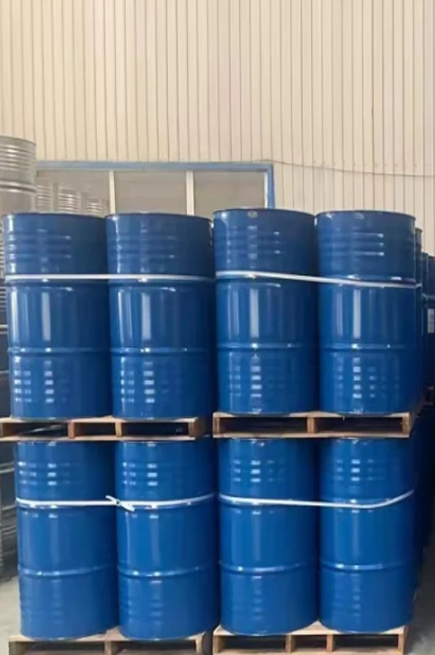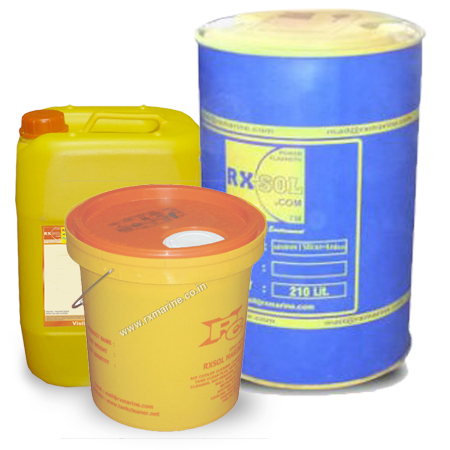
Efflorescence Cleaner Neutral

Efflorescence Remover removes white, chalky residue efflorescence and mild rust stains found on concrete and masonry

SKU: RXSOL-90-1118-025 Category:

Description

Neutral Efflorescence Cleaner is a water-based, pH-neutral cleaning formulation specifically developed to remove light to moderate efflorescence, mineral deposits, construction dust and alkaline residues from masonry and stone surfaces without causing acid attack. The product utilizes advanced chelation technology to dissolve and suspend mineral salts while being safe for acid-sensitive substrates.







Product Details

Application

Where to use Neutral Efflorescence Cleaner

  • Natural Stone
  • Marble
  • Granite
  • Limestone
  • Sandstone
  • Ceramic Tiles
  • Porcelain Tiles
  • Concrete Floors
  • Pavers
  • Brick Walls
  • Cementitious Grout
  • Decorative Concrete
  • Polished Concrete
  • Precast Concrete

Dosage & Procedure

Approximately 5-10 m²/L, depending on surface porosity and contamination level.

Technical Specifications

Property Specification
Appearance Clear to Slightly Hazy Liquid
Colour Colourless to Pale Yellow
Odour Mild
pH 6.8-7.5
Specific Gravity 1.04-1.08
Solubility Completely Miscible with Water
Flash Point Non-flammable
VOC <1%
Biodegradability Readily Biodegradable
Foaming Low
Shelf Life 24 Months

Notes & Precautions

How to clean Efflorescence easily?

  • Apply by brush or low-pressure sprayer.
  • Allow 5-10 minutes contact time.
  • Agitate using a soft nylon brush.
  • Rinse thoroughly with clean water.

Generic / Chemical Name

Efflorescence Remover Neutral

Supply Locations

Efflorescence Remover Cleaner Manufacturer and Supplier in India UAE Oman, Mumbai, Kandla, Kolkata, Chennai, Visakhapatnam, Surat, Fujairah, Dubai, Sharjah, Ajman, Abudhabi, Muscat, Sohar, Barka, Oman, Yemen, Kuwait, Saudi Arabia

Industry Applications

What is Efflorescence?
Efflorescence means powdery or crystalline deposit on  masonry / concrete wall. Crystaline Deposit may be shade of white, brown, gray, or yellow  appeal on walls.
 
Root Cause of Efflorescence on walls when water present in the building surfaces dissolves certain salts and migrates to other areas, leaving behind salty deposits as it evaporates. Efflorescence cleaning is a major problem when it comes to concrete surfaces. 
 
Concrete efflorescence can be triggered by faulty waterproofing, humidity, rain, and condensation. While exterior efflorescence is tricky enough, treating interior efflorescence is considered even more challenging.

Safety Data (MSDS)

Product Name RXSOL-90-1118-025
Product Type Efflorescence Cleaner Neutral

Company Details:

RX MARINE INTERNATIONAL
105, A wing , BSEL , TECH PARK.
VASHI ,NEW BOMBAY 400703 INDIA

Stock Points: Mumbai, Kandla, Kolkata, Chennai, Visakhapatnam, Fujairah UAE, Muscat Oman, Kenya, Canada

Phone +91 22 65113333 / 5555 / 9999
Fax +91 22 2781 1318 :::AOH :0091 9821214367
Email mail@rxmarine.com


Cas# Chemical Name Range(w/w%)
7320-34-5 Tetrapotassium Pyrophosphate 5 -10
1310-58-3 Potassium Hydroxide 5 - 10
5064-31-3 NITRILOTRIACETIC ACID,TRISODIUM SALT (NTA.3NA) 0.1-1.0
139-89-9 N-HYDROXYETHYLENEDIAMINE TRIACETIC ACID TRISODIUM
SALT
15-40
102-71-6 TRIETHANOLAMINE 15-40
141-43-5 MONOETHANOLAMINE (ETHANOLAMINE) 10-20
111-42-2 DIETHANOLAMINE (ETHANOL,2,2’-IMINODI-) 3-7
119345-04-9 BENZENE, 1,1’-OXYBIS-,TETRAPROPYLENE DERIVATIVES,
SULFONATED, SODIUM SALTS
1-5
- Proprietory Blend of biodegradable surfactants and chelating agents >70


Severe irritant to the skin. Severe irritant to the eyes, possibly corrosive. Irritation of the upper respiratory tract. Prolonged exposure may cause dizziness and headache.

DOT hazard: ORS (when container > RQ)
Odor: Slight; Appearance: Colorless To Amber, Liquid

Fire fighters should wear positive pressure self-contained breathing apparatus(full face-piece type). Proper fire-extinguishing media: dry chemical, carbon dioxide, foam or water

POTENTIAL HEALTH EFFECTS

ACUTE SKIN EFFECTS: Primary route of exposure; Severe irritant to the skin.

ACUTE EYE EFFECTS: Severe irritant to the eyes, possibly corrosive.

ACUTE RESPIRATORY EFFECTS:
Primary route of exposure;Irritation of the upper respiratory tract. Prolonged exposure may cause dizziness and headache.

INGESTION EFFECTS:
May cause gastrointestinal irritation with possible nausea, vomiting, abdominal discomfort and diarrhea.

TARGET ORGANS:
Prolonged or repeated exposure may cuses primary irritant dermatitis and/or toxicity to the liver, kidney, nervous system and blood. May increase the risk of cancer based on limited animal data.

MEDICAL CONDITIONS AGGRAVATED:
Pre-existing skin disorders and chronic respiratory disease.

SYMPTOMS OF EXPOSURE:
Causes irritation of the skin, eyes, and/or respiratory system.

General advice Show this material safety data sheet to the doctor in attendance. 
If inhaled  Remove to fresh air. Treat symptomatically. Get medical attention if symptoms occur.
Eye Contact Rinse immediately with plenty of water, also under the eyelids, for at least 15 minutes. Remove contact lenses, if present and easy to do. Continue rinsing. Get medical attention immediately. .
Swallowed Rinse mouth with water. Do NOT induce vomiting. Never give anything by mouth to an unconscious person. Get medical attention immediately. 
Skin Contact Wash off immediately with plenty of water for at least 15 minutes. Use a mild soap if available. Wash clothing before reuse. Thoroughly clean shoes before reuse. Get medical attention immediately. 
Inhalation Remove patient to fresh air, keep warm and at rest and get medical assistance in necessary. 
Protection of first-aiders In event of emergency assess the danger before taking action. Do not put yourself at risk of injury. If in doubt, contact emergency responders.Use personal protective equipment as required. 
Most important symptoms and effects, both acute and delaye See Section 11 for more detailed information on health effects and symptoms.
Indication of any immediate medical attention and special treatment needed  No data available

Flammability                                                  May be combustible at high temperature.
Flash Point Higher than 93.3°C (200°F).
Suitable extinguishing media Use extinguishing measures that are appropriate to local circumstances and the surrounding environment. 
Specific extinguishing methods Fire residues and contaminated fire extinguishing water must be disposed of in accordance with local regulations. In the event of fire and/or explosion do not breathe fumes. 
Special hazards arising from the substance or mixture  Carbon oxides Combustible. Vapors are heavier than air and may spread along floors. Forms explosive mixtures with air on intense heating. Development of hazardous combustion gases or vapours possible in the event of fire.
Further information Prevent fire extinguishing water from contaminating surface water or the ground water system. 
Hazardous combustion
products
Decomposition products may include the following materials: Carbon oxides nitrogen oxides (NOx) Sulphur oxides Oxides of phosphorus
Specific hazards during firefighting Not flammable or combustible.
Special protective equipment for firefighters  Use personal protective equipment.
Specific Hazards Arising from the Chemical Has a fire-promoting effect due to the release of oxygen.
Ambient fire may liberate hazardous vapours.

Personal precautions, protective equipment and emergency procedures Ensure adequate ventilation. Keep people away from and upwind of spill/leak. Avoid inhalation, ingestion and contact with skin and eyes. When workers are facing concentrations above the exposure limit they must use appropriate certified respirators. Ensure clean-up is conducted by trained personnel only. Refer to protective measures listed in sections 7 and 8.
Spillage Oxidizing material. Stop leak if without risk. Avoid contact with a combustible material (wood, paper, oil, clothing...). Keep substance damp using water spray. Do not touch spilled material. Prevent entry into sewers, basements or confined areas dike if needed. Eliminate all ignition sources. Call for assistance on disposal.
Personal Protection Advice for non-emergency personnel: Avoid inhalation of dusts. Evacuate the danger area, observe emergency procedures, consult an expert. Advice for emergency responders: Protective equipment see section 8.
Enviromental Precaution Do not allow contact with soil, surface or ground water. 
Methods and materials for
containment and cleaning
Stop leak if safe to do so. Contain spillage, and then collect with non-combustible absorbent material, (e.g. sand, earth, diatomaceous earth, vermiculite) and place in container for disposal according to local / national regulations (see section 13). For large spills, dike spilled material or otherwise contain material to ensure runoff does not reach a waterway. Flush away traces with water.

Advice on safe handling  Do not ingest. Do not breathe dust/fume/gas/mist/vapours/spray. Do not get in eyes, on skin, or on clothing. Wash hands thoroughly after handling. Use only with adequate ventilation.
Advice on protection against fire and explosion Keep away from open flames, hot surfaces and sources of ignition. 
Suitable material   The following compatibility data is suggested based on similar product data and/or industry experience: HDPE (high density polyethylene), Stainless Steel 304, Compatibility with Plastic Materials can vary; we therefore recommend that compatibility is tested prior to use., Mild steel, Stainless Steel 316L, Polyurethane, Buna-N, EPDM, Polyethylene, Polypropylene, PVC, Epoxy phenolic resin, Neoprene, Chlorosulfonated polyethylene rubber, Fluoroelastomer
Unsuitable material  The following compatibility data is suggested based on similar product data and/or industry experience: Brass, 100% phenolic resin liner
Hygiene measures Immediately change contaminated clothing. Apply preventive skin protection. Wash hands and face after working with substance. For precautions see section 2.2.
Precautions for     safe handling For precautions see section 2.2. 
Conditions for safe storage, including any incompatibilities  Store the container tightly closed in a dry, cool and well-ventilated place. Store apart from foodstuff containers or incompatible materials.
Storage conditions Do not store near acids. Keep out of reach of children. Keep container tightly closed. Store in suitable labeled containers. 
Storage class Storage class (TRGS 510): 13: Non Combustible Solids
Specific end     use(s) Apart from the uses mentioned in section 1.2 no other specific uses are stipulated 
Advice on general occupational hygiene Advice on safe handling Observe label precautions. Change contaminated clothing. Wash hands after working with substance.

Components with workplace control parameters


Components           CAS-No.            Form of exposure            Permissible concentration Basis 
Sodium Hydroxide             1310-73-2                C 2 mg/m3 ACGIH
    Ceiling           2 mg/m3                                    NIOSH REL
    TWA 2 mg/m3 OSHA Z1                     
Exposure controls  No specific additional engineering controls are required. Provide good natural or artificial ventilation. 
Engineering measures Effective exhaust ventilation system Maintain air concentrations
Eye/face protection Safety goggles Face-shield
Hand protection Wear the following personal protective equipment: Standard glove type. Gloves should be discarded and replaced if there is any indication of degradation or chemical breakthrough. 
Body Protection protective clothing
Skin protection Personal protective equipment comprising: suitable protective gloves, safety goggles and protective clothing
Respiratory protection When workers are facing concentrations above the exposure limit they must use appropriate certified respirators.
Other Protection      Measure Handle in accordance with good industrial hygiene and safety practice.
Control of    environmental exposure Do not let product enter drains.
Hygiene measures Handle in accordance with good industrial hygiene and safety practice. Remove and wash contaminated clothing before re-use. Wash face, hands and any exposed skin thoroughly after handling. Provide suitable facilities for quick drenching or flushing of the eyes and body in case of contact or splash hazard.

Physical state Liquid
Colour Light yellow
Odour Slight
Odor Threshold Not Applicable
pH 7-8 100 %
Melting Point FREEZING POINT: -13 °C
Boiling Point 107 °C
Flash Point > 93.3 °C
Evaporation Rate Not Applicable
Flammability (solid, gas) No data available
Explosive limits No Data Available
Upper/lower flammability or explosive limits No data available
Autoignition temperature No data available
Decomposition temperature  No data available
Vapour pressure No data available 
Density 1.1 g/cm3
Freezing point  No data available 
Specific Gravity No data available 
Partition coefficient No data available  
Explosive properties No data available 
Solubility No data available 
Ignition temperature No information available.
Particle characteristics No data available 

Reactivity                        Forms explosive mixtures with air on intense heating. A range from approx. 15 Kelvin below the flash point is to be rated as critical. The following applies in general to flammable organic substances and mixtures: in correspondingly fine distribution, when whirled up a dust explosion potential may generally be assumed.
Stability Stable under normal conditions. 
Possibility of hazardous reactions No dangerous reaction known under conditions of normal use.
Conditions to avoid Freezing temperatures. 
Incompatible materials Contact with reactive metals (e.g. aluminum) may result in the generation of flammable hydrogen gas. Contact with strong oxidizers (e.g. chlorine, peroxides, chromates, nitric acid, perchlorate, concentrated oxygen, permanganate) may generate heat, fires, explosions and/or toxic vapors.
Hazardous decomposition products Decomposition products may include the following materials: Carbon oxides nitrogen oxides (NOx) Sulphur oxides Oxides of phosphorus

Acute oral toxicity  LD50 rat: > 2,000 mg/kg Test substance: Product 
Information on likely routes of exposure Inhalation, Eye contact, Skin contact 
Skin  Causes severe skin burns.
Eyes Causes serious eye damage. 
Ingestion  Causes digestive tract burns.
Inhalation May cause nose, throat, and lung irritation.
Chronic Exposure Health injuries are not known or expected under normal use.
Carcinogenicity No data available
Germ cell        mutagenicity  No data available
Reproductive toxicity  No data available
Specific target organ toxicity - single      exposure No data available
Special Remarks on other Toxi  Effects on Humans Acute Potential Health Effects: Skin: Causes skin irritation. May cause skin sensitization, an allergic reation, which becomes evident upon re-exposure to this material. Eyes: Causes eye irritation. Ingestion: Causes gastrointestinal (digestive) tract irritation with nausea, vomiting, and diarrhea. May be harmful if swallowed. Inhalation: Causes respiratory tract irritation. May cause chemical pneumonitis and pulmonary edema, inflammation, edema of bronchi and larynx. Chronic Potential Health Effects: Repeated or prolonged skin exposure may cause allergic reactions in sensitive individuals. Repeated or prolonged exposure by inhalation may affect respiration and metabolism.
Additional Information RTECS: AF3675000 Gastrointestinal disturbance To the best of our knowledge, the chemical, physical, and toxicological properties have not been thoroughly investigated. After uptake of large quantities: muscular symptoms agitation Convulsions Headache Tremors Nausea psychoses 
Endocrine disrupting           properties The substance/mixture does not contain components considered to have endocrine disrupting properties according to REACH Article 57(f) or Commission Delegated regulation (EU) 2017/2100 or Commission Regulation (EU) 2018/605 at levels of 0.1% or higher. Repeated dose toxicity - Rat - male - Oral - 2 yr - NOAEL (No observed adverse effect level) - 600 mg/kg RTECS: LS9625000 Gastrointestinal disturbance To the best of our knowledge, the chemical, physical, and toxicological properties have not been thoroughly investigated. 

Persistence and degradability The organic portion of this preparation is expected to be inherently biodegradable. Total Organic Carbon (TOC) : 94,000 mg/l
Toxicity to fish  LC50 Lepomis macrochirus (Bluegill sunfish): 1,030 mg/l Exposure time: 96 hrs Test substance: ProductLC50 Fish: 41 - 2,070 mg/l Exposure time: 96 hrs Test substance: Similar Product NOEC Lepomis macrochirus (Bluegill sunfish): 456 mg/l Exposure time: 96 hrs Test substance: Product 
Toxicity to daphnia and other aquatic invertebrates LC50 Daphnia magna (Water flea): > 500 mg/l Exposure time: 24 hrsTest substance: Similar Product 
Toxicity to algae LC50 Algae: 10 - 100 mg/l Exposure time: 72 hrs Test substance: Similar Product
Eco Toxicity This product has no known ecotoxicological effects. 
COD and BOD 5 Not Available
Products Biodegradation The methods for determining the biological degradability are not applicable to inorganic substances.
Mobility  The environmental fate was estimated using a level III fugacity model embedded in the EPI (estimation program interface) Suite TM, provided by the US EPA. The model assumes a steady state condition between the total input and output. The level III model does not require equilibrium between the defined media. The information provided is intended to give the user a general estimate of the environmental fate of this product under the defined conditions of the models. If released into the environment this material is expected to distribute to the air, water and soil/sediment in the approximate respective percentages; Air : <5% Water : 30 - 50% Soil : 50 - 70% The portion in water is expected to be soluble or dispersible.
Bioaccumulative potential This preparation or material is not expected to bioaccumulate.
Results of PBT and vPvB assessment This substance/mixture contains no components considered to be either persistent, bioaccumulative and toxic (PBT), or very persistent and very bioaccumulative (vPvB) at levels of 0.1% or higher.
Other adverse effects No data available

Disposal methods Where possible recycling is preferred to disposal or incineration. If recycling is not practicable, dispose of in compliance with local regulations. Dispose of wastes in an approved waste disposal facility. 
Disposal considerations Dispose of as unused product. Empty containers should be taken to an approved waste handling site for recycling or disposal. Do not re-use empty containers. 
Waste treatment      Method If this product becomes a waste, it could meet the criteria of a hazardous waste as defined by the Resource Conservation and Recovery Act (RCRA) 40 CFR 261. Before disposal, it should be determined if the waste meets the criteria of a hazardous waste.

Land transport (DOT)

Proper shipping name 

CORROSIVE LIQUID, BASIC, ORGANIC, N.O.S
Technical name(s)  TETRASODIUM SALT OF EDTA, SODIUM HYDROXIDE
UN/ID No.   UN 3267
Transport hazard class(es) 8
Packing group  III 

Air transport (IATA)

Proper shipping name

CORROSIVE LIQUID, BASIC, ORGANIC, N.O.S
Technical name(s) Tetrasodium EDTA, Sodium Hydroxide
UN/ID No. UN 3267
Transport hazard class(es) 8.
Packing group  III 

Sea transport (IMDG/IMO)

Proper shipping name


CORROSIVE LIQUID, BASIC, ORGANIC, N.O.S

Technical name(s) Tetrasodium EDTA, Sodium Hydroxide
UN/ID No. UN 3267
Transport hazard class(es) 8
Packing group III 

CERCLA Reportable Quantity 

Components             CAS-No.         Component RQ (lbs)     Calculated product RQ (lbs)
Sodium Hydroxide 1310-73-2 1000 54945 
SARA 304 Extremely Hazardous Substances Reportable Quantity This material does not contain any components with a section 304 EHS RQ. SARA 311/312 Hazards : Acute Health Hazard SARA 302 : No chemicals in this material are subject to the reporting requirements of SARA Title III, Section 302. SARA 313 : This material does not contain any chemical components with known CAS numbers that exceed the threshold (De Minimis) reporting levels established by SARA Title III, Section 313.
California Prop 65  This product does not contain any chemicals known to State of California to cause cancer, birth defects, or any other reproductive harm. INTERNATIONAL CHEMICAL CONTROL LAWS : TOXIC SUBSTANCES CONTROL ACT (TSCA) The substances in this preparation are included on or exempted from the TSCA 8(b) Inventory (40 CFR 710)CANADIAN ENVIRONMENTAL PROTECTION ACT (CEPA) The substance(s) in this preparation are included in or exempted from the Domestic Substance List (DSL). AUSTRALIA All substances in this product comply with the National Industrial Chemicals Notification & Assessment Scheme (NICNAS). CHINA All substances in this product comply with the Provisions on the Environmental Administration of New Chemical Substances and are listed on or exempt from the Inventory of Existing Chemical Substances China (IECSC). EUROPE The substance(s) in this preparation are included in or exempted from the EINECS or ELINCS inventories JAPAN All substances in this product comply with the Law Regulating the Manufacture and Importation Of Chemical Substances and are listed on the Existing and New Chemical Substances list (ENCS). KOREA All substances in this product comply with the Toxic Chemical Control Law (TCCL) and are listed on the Existing Chemicals List (ECL) NEW ZEALAND All substances in this product comply with the Hazardous Substances and New Organisms (HSNO) Act 1996,and are listed on or are exempt from the New Zealand Inventory of Chemicals. PHILIPPINES All substances in this product comply with the Republic Act 6969 (RA 6969) and are listed on the Philippines Inventory of Chemicals & Chemical Substances (PICCS).  
Safety, health and environmental regulations/legislation specific for the substance or mixture This material safety data sheet complies with the requirements of Regulation (EC) No. 1907/2006
Safety, health and environmental regulations specific for the product in question European Inventory of Existing Commercial Chemical Substances (EINECS) -Listed.EC Inventory Listed. United States Toxic Substances Control Act (TSCA) Inventory- Listed. China Catalog of Hazardous chemicals 2015 Not- Listed. New Zealand Inventory of Chemicals (NZIoC)Listed. PICCS -Listed. Vietnam National Chemical Inventory -Listed. IECSC Listed. Korea Existing Chemicals List (KECL) -Listed.
Other regulations Take note of Dir 94/33/EC on the protection of young people at work.
Chemical Safety Assessment For this product a chemical safety assessment was not carried out

Other Information

The information above is believed to be accurate and represents the  best information   currently    available  to us.  However,   we   make no warranty of merchantability or any other warranty, express or implied, with respect to such information, and  weassume  no liability resulting from its use. Users should make  their  own  investigations  to determine the suitability of the information for their particular purposes. In no event shall be liable for any claims, losses, or damages of any third party or for lost profits or any special, indirect, incidental, consequential or exemplary damages, howsoever arising, even if Rx Marine International  has been advised of the possibility of such damages.

DISCLAIMER OF LIABILITY :The information in this SDS was obtained from sources which we believe are reliable. However, the information is provided without any warranty, express or implied, regarding its correctness. The conditions or methods of handling, storage, use or disposal of the product are beyond our control and may be beyond our knowledge. For this and other reasons, we do not assume responsibility and expressly disclaim liability for loss, damage or expense arising out of or in any way connected with the handling, storage, use or disposal of the product. This MSDS was prepared and is to be used only for this product. If the product is used as a component in another product, this MSDS information may not be applicable.

top