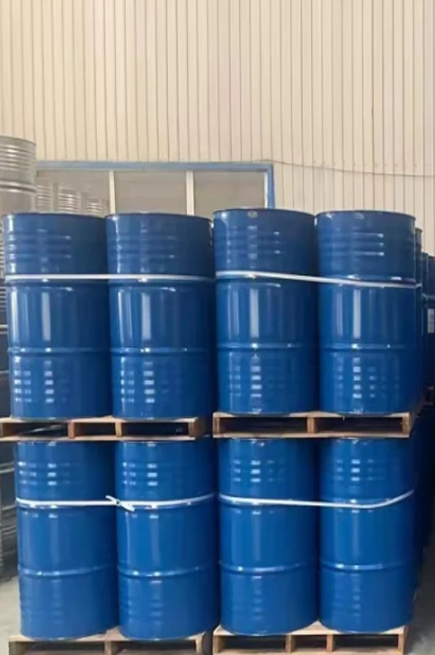
Description
RXSOL STAINLESS STEEL CLEANER is the new generation of derived from natural sources. It is an economical, nonflammable, bio based, environmentally sound product that can replace many common petrochemical based products.
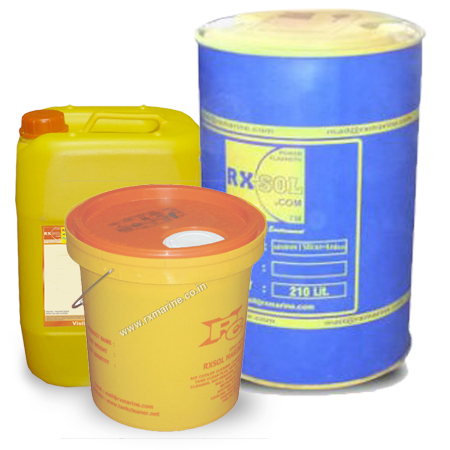
RXSOL STAINLESS STEEL CLEANER contains no silicones or abrasives; will not cause spotting or streaking; and resists fingerprints. leaves a high gloss, fingerprint resistant, protective shine, on all solvent resistant surfaces. Quickly removes tarnish and food stains.
RXSOL STAINLESS STEEL CLEANER is the new generation of derived from natural sources. It is an economical, nonflammable, bio based, environmentally sound product that can replace many common petrochemical based products.
Cleans and polishes in just one operation. Resists finger-printing and masks surface blemishes on stainless steel, chrome, architectural aluminiuum and laminated plastic. Contains harmless food grade oil petrolium Distillates.
Excellent for use on stainless steel, nickel steel, copper, aluminum, brass, kitchen appliances, washroom fixtures, restaurant and institutional equipment, drinking fountains, decorative metal surfaces, elevator doors, waste paper receptacles.
Apply a light coat directly to a clean cloth and wipe surface. Use sparingly. Polish and remove any excess with a clean dry cloth. No rubbing is required. For heavy soils, spray and saturate surface. Allow a few minutes dwell time, then wash or wipe soil away. Repeat as necessary.
Advantage : RXSOL STAINLESS STEEL CLEANER cleans and polishes in one easy operation. Resists finger printing and masks surface blemishes on stainless steel, chrome and architectural aluminium. Natural derived solvents clean the surface of the metal and also provide a protective film on surfaces keeping them in new condition.
RXSOL STAINLESS STEEL CLEANER contains no acids, silicones or abrasives; will not cause spotting or streaking; and resists fingerprints. Its rapidly cut through grease and grime while maintaining a safe employee environment. Its leaves a high gloss, fingerprint resistant, protective shine, on all solvent resistant surfaces. Quickly removes tarnish and food stains. It’s also leaves an anti-tarnish shield for a bright, lasting shine. Convenient liquid with a reclosable lid.
To clean heavy stain from metal surfaces, avoid dilution and place the metal part in the solution. Follow the steps to achieve maximum rust/scale dissolving output:
Stainless Steel Cleaner manufacturer supplier distributor in Mumbai, Kandla, Kolkata, Vizag, Chennai, India, Fujairah, Dubai UAE, Muscat Oman, Kenya Africa. Get the best quality of Stainless Steel Cleaner at a competitive price from us. We have ready stock of Stainless Steel Cleaner in India, UAE Gulf, Oman, Kenya Africa. Contact us for bulk as well as small orders.

| Product Name | RXSOL-16-1055-025 |
| Product Type | Stainless Steel Cleaner |
Company Details:
RX MARINE INTERNATIONAL
105, A wing , BSEL , TECH PARK.
VASHI ,NEW BOMBAY 400703 INDIA
| Phone | +91 22 65113333 / 5555 / 9999 |
| Fax | +91 22 2781 1318 :::AOH :0091 9821214367 |
| mail@rxmarine.com |

Substance/preparation Preparation
| Ingredient name | CAS number | % | EC number | Classification |
|
Phosphoric acid |
7664-38-2 |
35-50 |
231-633-2 |
C; R34 [1] [2] Xn; R22 [1] |
| Corrosion Inhibitor | --- | --- | --- | --- |
There are no additional ingredients present which, within the current knowledge of the supplier and in the concentrations applicable, are classified as hazardous to health or the environment and hence require reporting in this section.
See Section 16 for the full text of the R-phrases declared above.
[1] Substance classified with a health or environmental hazard
[2] Substance with a workplace exposure limit
Occupational exposure limits, if available, are listed in Section 8.

The product is classified as dangerous according to Directive 1999/45/EC and its amendments.
Classification : C; R34
Human health hazards : Causes burns.
See Section 11 for more detailed information on health effects and symptoms.

First-aid measures
Inhalation :
Get medical attention immediately. Move exposed person to fresh air. If it is suspected that fumes are still present, the rescuer should wear an appropriate mask or self-contained breathing apparatus. Keep person warm and at rest. If not breathing, if breathing is irregular or if respiratory arrest occurs, provide artificial respiration or oxygen by trained personnel. It may be dangerous to the person providing aid to give mouth-tomouth resuscitation. If unconscious, place in recovery position and get medical attention immediately. Maintain an open airway. Loosen tight clothing such as a collar, tie, belt or waistband.
Ingestion :
Get medical attention immediately. Wash out mouth with water. Remove dentures if any. Move exposed person to fresh air. Keep person warm and at rest. If material has been swallowed and the exposed person is conscious, give small quantities of water to drink. Stop if the exposed person feels sick as vomiting may be dangerous. Do not induce vomiting unless directed to do so by medical personnel. If vomiting occurs, the head should be kept low so that vomit does not enter the lungs. Chemical burns must be treated promptly by a physician. Never give anything by mouth to an unconscious person. If unconscious, place in recovery position and get medical attention immediately. Maintain an open airway. Loosen tight clothing such as a collar, tie, belt or waistband.
Skin contact :
Get medical attention immediately. Flush contaminated skin with plenty of water. Remove contaminated clothing and shoes. Wash contaminated clothing thoroughly with water before removing it, or wear gloves. Continue to rinse for at least 10 minutes. Chemical burns must be treated promptly by a physician. Wash clothing before reuse. Clean shoes thoroughly before reuse.
Eye contact :
Get medical attention immediately. Immediately flush eyes with plenty of water, occasionally lifting the upper and lower eyelids. Check for and remove any contact lenses. Continue to rinse for at least 10 minutes. Chemical burns must be treated promptly by a physician.
Protection of first-aiders :
No action shall be taken involving any personal risk or without suitable training. If it is suspected that fumes are still present, the rescuer should wear an appropriate mask or self-contained breathing apparatus. It may be dangerous to the person providing aid to give mouth-to-mouth resuscitation. Wash contaminated clothing thoroughly with water before removing it, or wear gloves.
Notes to physician :
No specific treatment. Treat symptomatically. Contact poison treatment specialist immediately if large quantities have been ingested or inhaled.
See Section 11 for more detailed information on health effects and symptoms.

Extinguishing media
Suitable : Use dry chemical, CO2 or water
Not suitable : None known.
Special exposure hazards : In a fire or if heated, a pressure increase will occur and the container may burst.
Promptly isolate the scene by removing all persons from the vicinity of the incident if there is a fire. No action shall be taken involving any personal risk or without suitable training.
Hazardous thermal decomposition products : Decomposition products may include the following materials:
carbon dioxide
carbon monoxide
phosphorus oxides
metal oxide/oxides
Special protective equipment for fire-fighters : Fire-fighters should wear appropriate protective equipment and self-contained breathing apparatus (SCBA) with a full face-piece operated in positive pressure mode.

Personal precautions : No action shall be taken involving any personal risk or without suitable training. Evacuate surrounding areas. Keep unnecessary and unprotected personnel from entering. Do not touch or walk through spilt material. Avoid breathing vapour or mist. Provide adequate ventilation. Wear appropriate respirator when ventilation is inadequate. Put on appropriate personal protective equipment (see Section 8).
Environmental precautions : Avoid dispersal of spilt material and runoff and contact with soil, waterways, drains and sewers. Inform the relevant authorities if the product has caused environmental pollution (sewers, waterways, soil or air).
Methods for cleaning up
Small spill : Stop leak if without risk. Move containers from spill area. Dilute with water and mop up if water-soluble or absorb with an inert dry material and place in an appropriate waste disposal container. Dispose of via a licensed waste disposal contractor.
Large spill: Stop leak if without risk. Move containers from spill area. Approach the release from upwind. Prevent entry into sewers, water courses, basements or confined areas. Wash spillages into an effluent treatment plant or proceed as follows. Contain and collect spillage with non-combustible, absorbent material e.g. sand, earth, vermiculite or diatomaceous earth and place in container for disposal according to local regulations (see section 13). The spilled material may be neutralized with sodium carbonate, sodium bicarbonate or sodium hydroxide. Dispose of via a licensed waste disposal contractor. Contaminated absorbent material may pose the same hazard as the spilt product. Note: see section 1 for emergency contact information and section 13 for waste disposal.

Handling : Put on appropriate personal protective equipment (see Section 8). Eating, drinking and smoking should be prohibited in areas where this material is handled, stored and processed. Workers should wash hands and face before eating, drinking and smoking. Do not get in eyes or on skin or clothing. Do not breathe vapour or mist. Do not ingest. If during normal use the material presents a respiratory hazard, use only with adequate ventilation or wear appropriate respirator. Keep in the original container or an approved alternative made from a compatible material, kept tightly closed when not in use. Keep away from alkalis. Empty containers retain product residue and can be hazardous. Do not reuse container.
Storage : Store in accordance with local regulations. Store in original container protected from direct sunlight in a dry, cool and well-ventilated area, away from incompatible materials (see section 10) and food and drink. Separate from alkalis. Keep container tightly closed and sealed until ready for use. Containers that have been opened must be carefully resealed and kept upright to prevent leakage. Do not store in unlabelled containers. Use appropriate containment to avoid environmental contamination.
Packaging materials
Recommended : Use original container.

Ingredient name Occupational exposure limits
phosphoric acid EH40/2005 WELs (United Kingdom (UK), 8/2007).
STEL: 2 mg/m³, 0 times per shift, 15 minute(s).
TWA: 1 mg/m³, 0 times per shift, 8 hour(s).
Recommended monitoring procedures : If this product contains ingredients with exposure limits, personal, workplace atmosphere or biological monitoring may be required to determine the effectiveness of the ventilation or other control measures and/or the necessity to use respiratory protective equipment. Reference should be made to European Standard EN 689 for methods for the assessment of exposure by inhalation to chemical agents and national guidance documents for methods for the determination of hazardous substances.
Exposure controls
Occupational exposure controls : If user operations generate dust, fumes, gas, vapour or mist, use process enclosures, local exhaust ventilation or other engineering controls to keep worker exposure to airborne contaminants below any recommended or statutory limits.
Hygiene measures : Wash hands, forearms and face thoroughly after handling chemical products, before eating, smoking and using the lavatory and at the end of the working period. Appropriate techniques should be used to remove potentially contaminated clothing. Wash contaminated clothing before reusing. Ensure that eyewash stations and safety showers are close to the workstation location.
Respiratory protection : Use a properly fitted, air-purifying or air-fed respirator complying with an approved standard if a risk assessment indicates this is necessary. Respirator selection must be based on known or anticipated exposure levels, the hazards of the product and the safe working limits of the selected respirator.
Hand protection : Wear suitable gloves tested to EN374. The quality of the chemical-resistant protective gloves must be chosen as a function of the specific workplace concentrations and quantity of hazardous substances. Eye protection : Wear safety glasses with side protection in accordance with EN 166. or face shield (EN 166) .
Skin protection : Wear acid-resistant protective clothing. Wear protective shoes.
Environmental exposure controls : Emissions from ventilation or work process equipment should be checked to ensure they comply with the requirements of environmental protection legislation. In some cases, fume scrubbers, filters or engineering modifications to the process equipment will be necessary to reduce emissions to acceptable levels.

General information
Appearance
| Physical state | Liquid. [Viscous liquid.] |
| Colour | Colourless. |
| Odour | Faint odour. |
Important health, safety and environmental information
| pH | 1.7 |
| Boiling point | 100°C (212°F) |
| Melting point | -5°C (23°F) |
| Flash point | Closed cup: Not applicable. |
| Vapour pressure | 0 kPa (0 mm Hg) |
| Density | Not available. |
| Solubility | Easily soluble in the following materials: cold water and hot water. |
| Auto-ignition temperature | Not applicable. |
| Acid/alkali reserve | (g NaOH(equivalent)/100 g) |

Stability : The product is stable. Under normal conditions of storage and use, hazardous polymerisation will not occur.
Conditions to avoid : No specific data.
Materials to avoid : Attacks many metals producing extremely flammable hydrogen gas which can form explosive mixtures with air.
Reactive or incompatible with the following materials:
alkalis
Hazardous decomposition products : Under normal conditions of storage and use, hazardous decomposition products should not be produced.

Potential acute health effects
Inhalation : May give off gas, vapor or dust that is very irritating or corrosive to the respiratory system.
Ingestion : May cause burns to mouth, throat and stomach.
Skin contact : Corrosive to the skin. Causes burns.
Eye contact : Corrosive to eyes. Causes burns.
Acute toxicity
| Product/ingredient name | Result | Species | Dose | Exposure |
| Phosphoric acid | LD50 Oral | Rat | 1,25 g/kg | - |
| LD50 Oral | Rat | 1530 mg/kg | - |
Conclusion/Summary : Not available.
Potential chronic health effects
Chronic toxicity
Conclusion/Summary : Not available.
Irritation/Corrosion
Conclusion/Summary : Not available.
Sensitiser
Conclusion/Summary : Not available.
Carcinogenicity
Conclusion/Summary : Not available.
Mutagenicity
Conclusion/Summary : Not available.
Teratogenicity
Conclusion/Summary : Not available.
Reproductive toxicity
Conclusion/Summary : Not available.
Chronic effects : No known significant effects or critical hazards.
Carcinogenicity : No known significant effects or critical hazards.
Mutagenicity : No known significant effects or critical hazards.
Teratogenicity : No known significant effects or critical hazards.
Developmental effects : No known significant effects or critical hazards.
Fertility effects : No known significant effects or critical hazards.
Over-exposure signs/symptoms
Inhalation : No specific data.
Ingestion : Adverse symptoms may include the following: stomach pains
Skin : Adverse symptoms may include the following: pain or irritation redness blistering may occur
Eyes : Adverse symptoms may include the following: pain watering redness
Target organs : Contains material which causes damage to the following organs: upper respiratory tract, skin, eye, lens or cornea.

Environmental effects : No known significant effects or critical hazards.
Aquatic ecotoxicity
Conclusion/Summary : Not available.
Other ecological information
Biodegradability
Conclusion/Summary : Not available.
Bioaccumulative potential
| Product/ingredient name | LogPow | BCF | Potential |
| RXSOL Stainless Steel Cleaner | - | low |
Other adverse effects : No known significant effects or critical hazards.

Methods of disposal : The generation of waste should be avoided or minimised wherever possible. Empty containers or liners may retain some product residues. This material and its container must be disposed of in a safe way. Dispose of surplus and non-recyclable products via a licensed waste disposal contractor. Disposal of this product, solutions and any by-products should at all times comply with the requirements of environmental protection and waste disposal legislation and any regional local authority requirements. Avoid dispersal of spilt material and runoff and contact with soil, waterways, drains and sewers.
Hazardous waste : The classification of the product may meet the criteria for a hazardous waste.

International transport regulations
|
Regulatory information |
UN number | Proper shipping name | Classes | PG* | Label | Additional information |
| ADR/RID Class | UN1805 |
PHOSPHORIC ACID, SOLUTION mixture |
8 | III |
Hazard identification number 80 Limited quantity LQ7 CEFIC Tremcard 80S1805 |
|
| ADN/ADNR Class | UN1805 |
PHOSPHORIC ACID, SOLUTION mixture |
8 | III | - | |
| IMDG Class | UN1805 |
PHOSPHORIC ACID, SOLUTION mixture |
8 | III |
Emergency schedules (EmS) F-A, S-B |
|
| IATA Class | UN1805 |
Phosphoric acid, solution mixture |
8 | III |
Passenger and Cargo AircraftQuantity limitation: 5 L Packaging instructions: 819 Cargo Aircraft OnlyQuantity limitation: 60 L Packaging instructions: 821 Limited Quantities - Passenger AircraftQuantity limitation: 1 L Packaging instructions: Y819 |

EU regulations
Classification and labeling have been determined according to EU Directives 67/548/EEC and 1999/45/EC (including amendments) and take into account the intended product use.
Hazard symbol or symbols : Corrosive
Risk phrases : R34- Causes burns.
Safety phrases : S26- In case of contact with eyes, rinse immediately with plenty of water and seek medical advice.
S36/37/39- Wear suitable protective clothing, gloves and eye/face protection.
S45- In case of accident or if you feel unwell, seek medical advice immediately (show the label where possible).
Contains : Phosphoric acid
Product use : Industrial applications.
Europe inventory : Europe inventory: Not determined.
No Chemical Safety Assesment has been done

To the best of our knowledge, the information contained herein is accurate. However, neither the above-named supplier, nor any of its subsidiaries, assumes any liability whatsoever for the accuracy or completeness of the information contained herein. Final determination of suitability of any material is the sole responsibility of the user. All materials may present unknown hazards and should be used with caution. Although certain hazards are described herein, we cannot guarantee that these are the only hazards that exist.
DISCLAIMER OF LIABILITY :The information in this SDS was obtained from sources which we believe are reliable. However, the information is provided without any warranty, express or implied, regarding its correctness. The conditions or methods of handling, storage, use or disposal of the product are beyond our control and may be beyond our knowledge. For this and other reasons, we do not assume responsibility and expressly disclaim liability for loss, damage or expense arising out of or in any way connected with the handling, storage, use or disposal of the product. This MSDS was prepared and is to be used only for this product. If the product is used as a component in another product, this MSDS information may not be applicable.