How to use Carbon Remover effectively to Decarbonize Surface
How to use Carbon Remover effectively to Decarbonize Surface
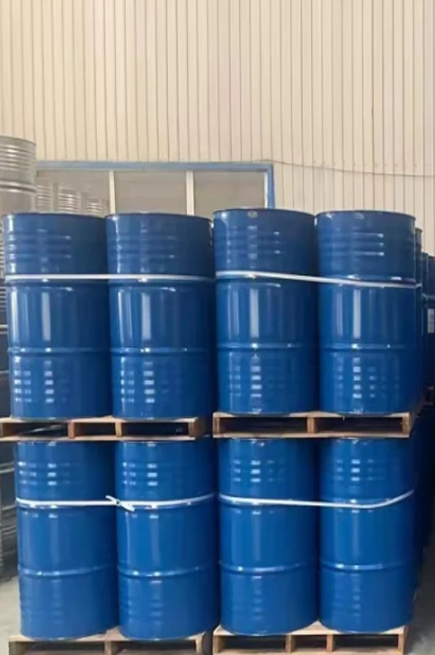
Carbon Remover by RXSOL is the approved Decarbonizing Liquid Cleaner trusted by more than 1000+ customers. Its strong emulsifying properties enable to clean all harsh carbon deposits very easily.
For requirements of Carbon Remover in Dubai, Sharjah, Ras Al Khaimah, Fujairah, feel free to contact the largest Detergents chemicals manufacturer in the UAE. We will provide you the factory sale price for Carbon Remover in the UAE Middle East.
RXSOL Carbon Remover Decarbonizer is a high-solvency, industrial-grade carbon cleaning chemical designed to dissolve and eliminate stubborn carbonaceous deposits, burnt oil residues, grease, varnishes and other heavy contaminants from metal surfaces without hard mechanical scraping.
Carbon build-up occurs in engines, heat exchangers, valves, pistons and other components due to high-temperature combustion and prolonged operation. If not removed, these carbon deposits can reduce efficiency, impair heat transfer, and accelerate wear. Chemical decarbonization with the RXSOL formulation is an efficient method to restore clean surfaces and extend service life.
Best way to clean carbon deposits
1. Preparation & Safety
Before applying the product:
- Wear appropriate PPE: chemical-resistant gloves, eye protection and protective clothing.
- Ensure the parts are accessible and free of loose debris.
- Work in a well-ventilated area.
Safety: Avoid direct contact with eyes and skin; rinse thoroughly with water if contact occurs.
2. Surface Pre-Inspection
Identify the level of carbon build-up:
- Light deposits: Minimal soot or thin layers.
- Heavy deposits: Thick, baked-on carbon, coked residues or varnish.
- Heavier build-ups require longer exposure or higher concentration solutions.
3. Dilution & Application Method
Dilution Options:
- Concentrated use: For very heavy carbon and tenacious deposits, use the product undiluted.
- Diluted use: Mix 1 part concentrate with 2 to 10 parts water depending on severity.
Application Techniques:
A. Immersion Bath Method (Recommended):
Prepare a steel immersion bath with the chosen concentration.
Fully submerge the parts or components in the solution.
Allow soaking for 30 minutes to 1 hour.
Very heavy deposits: May require 12–24 hours of immersion.
After soaking, remove parts and rinse thoroughly with high-pressure water to wash away loosened carbon.
B. Circulation Method (For Large Assemblies):
Set up a circulation drum where the solution can flow over surfaces (e.g., heat exchanger tubes).
Maintain circulation for 10–12 hours to fully penetrate oily carbon build-up.
Rinse system with high-pressure water until the rinse water runs clear.
Allow surfaces to air-dry.
4. Enhanced Performance Tips
- Warm Solution: Heating the solution to 30–40 °C can accelerate dissolving action and reduce cleaning time.
- Agitation: Gentle agitation or circulating flow helps penetration into hard-to-reach areas.
- Repeat Treatment: For extremely stubborn carbon, a second treatment may be needed.
5. Post-Cleaning Care
Once decarbonization is complete and rinsed:
- Inspect the surface for residual deposits.
- Dry thoroughly to prevent corrosion or flash rusting.
- Reassemble components following normal maintenance procedures.
Using the RXSOL Carbon Remover correctly through proper dilution, immersion or circulation, sufficient contact time and thorough rinsing ensures effective decarbonization of engine parts, heat exchangers and other machinery surfaces. This chemical approach minimizes manual scraping, reduces surface damage, and extends component life while improving operational performance.