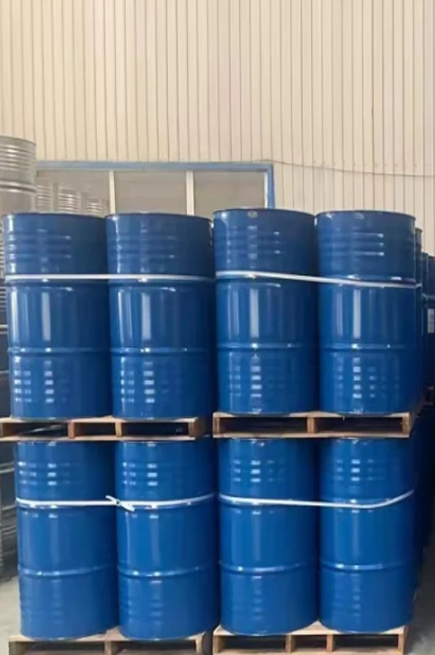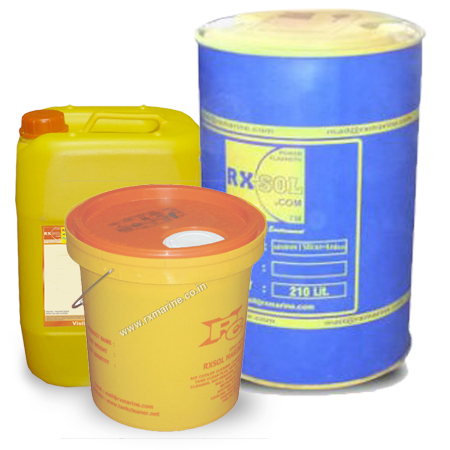
White Spirit

These solvents are practically insoluble in water, but miscible in most organic solvents.And this solvents are stable, do not corrode standard metals but may however react with strong oxidants. Its boiling ranges which typically lie between 150°C and 220°

SKU: RXSOL-20-2106-025 Category:

Description

RXSOL-20-2106-025 solvents are white spirits. White spirits consist of complex hydrocarbon mixtures obtained by hydro-treating a petroleum cut.  White spirits and mineral spirits blends are mixtures of paraffins, cycloparaffins and aromatic hydrocarbons with boiling ranges which typically lie between 150°C and 220°C. They are clear water-white liquids, chemically stable and non-corrosive and possess a mild odour. 



Product Details

Application

Applications : combining good solvent power and average evaporation rate, RXSOL-20-2106-025 products are primarily used in the paint, degreasing, metal and lubricants industries.

Dosage & Procedure

RXSOL-20-2106-025 solvents are clear, low-viscosity fluids with a detectable characteristic odour when concentrations approach 1 ppm (parts per million). These solvents are practically insoluble in water, but miscible in most organic solvents.

RXSOL-20-2106-025 solvents are stable, do not corrode standard metals but may however react with strong oxidants.

Notes & Precautions

These solvents are practically insoluble in water, but miscible in most organic solvents.And this solvents are stable, do not corrode standard metals but may however react with strong oxidants. Its boiling ranges which typically lie between 150°C and 220°C

Areas of Use

Solvent Properties: White spirit is widely used as a solvent for cleaning, thinning paint, and degreasing surfaces. It effectively dissolves grease, oil, and various types of paint.
Paint Thinner: It is commonly employed as a paint thinner, helping to reduce the viscosity of oil-based paints and varnishes, making them easier to apply.
Cleaning Agent: Solvent  is an effective cleaning agent for removing paint, varnish, and other coatings from brushes, rollers, and surfaces.
Industrial Applications: In industrial settings, Solvent is utilized in the formulation of adhesives, coatings, and various cleaning products.
Dry Cleaning: It is sometimes used in the dry cleaning process to remove stains from fabrics.
Automotive Industry: Solvent is employed for cleaning automotive parts, tools, and equipment.
Extraction of Oils: It is used in the extraction of oils from seeds and plants.
Agricultural Applications: In agriculture, Solvent may be used for cleaning and degreasing machinery.
It’s important to note that while Solvent is a versatile and widely used solvent, it should be handled with caution due to its flammable nature. Adequate ventilation and safety precautions are recommended when working with Solvent to minimize the risk of exposure and fire hazards. Additionally, various formulations of Solvent are available, each with specific properties suited for different applications.

Supply Locations

White Spirit manufacturer supplier distributor in Mumbai, Kandla, Kolkata, Vizag, Chennai, India, Fujairah, Dubai UAE, Muscat Oman, Kenya Africa. Get the best quality of White Spirit at a competitive price from us. We have ready stock of White Spirit in India, UAE Gulf, Oman, Kenya Africa. Contact us for bulk as well as small orders.

Industry Applications


Key characteristics and uses of white spirit include:


WHAT ARE THE WHITE SPIRIT GRADES?
White spirit is available in different grades, each with specific properties tailored for various applications. The main grades of Solvent include:
 
Low Odor White Spirit (LOWS): This grade is processed to reduce its characteristic odor, making it suitable for applications where a low odor profile is desirable, such as in indoor painting or confined spaces.
Regular White Spirit: This is the standard grade of white spirit and is widely used in general industrial and household applications. It is effective as a paint thinner, degreaser, and general-purpose solvent.
High Flash Point (HFP) White Spirit: This grade has a higher flash point compared to regular white spirit, making it less flammable. It is often chosen for applications where safety is a primary concern.
Hydro-treated White Spirit (HWS): Also known as hydrosol, this grade undergoes additional refining processes to remove impurities, resulting in a clearer and more stable solvent. It is suitable for applications where a higher-quality and more purified solvent is required.
Aromatic-Free White Spirit: This grade is processed to minimize the aromatic content, reducing the potential health and environmental impacts associated with aromatic hydrocarbons. It is often chosen for applications where low aromaticity is a critical consideration.
Bio-based White Spirit: Some environmentally conscious formulations use bio-based or renewable sources for white spirit production, aiming to reduce the reliance on petroleum-derived feedstocks.
The choice of white spirit grade depends on the specific requirements of the intended application. Factors such as odor, flash point, purity, and environmental considerations play a role in selecting the most suitable grade for a particular use. It’s essential for users to be aware of the characteristics of each grade to ensure safe and effective handling in various applications.
 
 
WHAT IS SOLVENT 402 ?
Solvent 402, also known as White Spirit, is a transparent liquid derived from petroleum. It is a blend of aliphatic and alicyclic hydrocarbons within the C7 to C12 range. With a distillation range of 142–200 °C and a boiling point spanning 105 to 205 °C, this solvent is widely employed as a common organic solute in painting and decorating.
 
WHAT IS SOLVENT 404 ?
Solvent 404, commonly referred to as white spirit, consists of paraffin hydrocarbons ranging from C5 to C8. It serves various purposes, including thinning lacquer, paints, and polishing and printing ink.
 
WHAT IS SOLVENT 406 ?
Solvent 406 is a blend of paraffinic hydrocarbons with a composition ranging from C5 to C8. Its versatile applications include serving as a diluent in varnishes, paints, sticky materials, and reprints. Additionally, it is utilized as a solvent in various industries, such as tire manufacturing, rubber and resin processing, adhesives, and tapes, making it valuable in the chemical, cosmetic, and food sectors.

Safety Data (MSDS)

Product Name               White Spirit
Part Number   RXSOL-20-2106-025   

Company Details:....

RX MARINE INTERNATIONAL
105, A wing , BSEL , TECH PARK.
VASHI ,NEW BOMBAY 400703 INDIA

Branch : Kandla, Mumbai , Chennai, Vizag, Kolkata, UAE , OMAN , CANADA and KENYA  

Phone +91 22 20871200 - 1400
Fax +91 22 27612100 :::AOH :0091 9821214367
Email mail@rxmarine.com
Website www.rxmraine.com

Substances

CAS-No. 64742-82-1
EC-No. 919-446-0
Index-No.      649-330-00-2    
Component Classification      Concentration                            
Petroleum Boiling Point: 155-194 °C    
CAS-No.             64742-82-1
EC-No                919-446-0
Index-No.           649-330-00-2          
Flam. Liq. 3; STOT SE 3;
STOT RE 1; Asp. Tox. 1;
Aquatic Chronic 2; H226,
H336, H372, H304, H411
<= 100 %

For the full text of the H-Statements mentioned in this Section, see Section 16.

Classification of the substance or mixture

Classification according to Regulation (EC) No 1272/2008  
Flammable liquids (Category 3), H226
Specific target organ toxicity - single exposure (Category 3), Respiratory system, H336
Specific target organ toxicity - repeated exposure (Category 1), Central nervous system, H372
Aspiration hazard (Category 1), H304
Long-term (chronic) aquatic hazard (Category 2), H411
For the full text of the H-Statements mentioned in this Section, see Section 16.

Label elements

Signal Word Danger

Hazard Statements

H226 Flammable liquid and vapor.
H304 May be fatal if swallowed and enters airways.
H336 May cause drowsiness or dizziness.
H372 Causes damage to organs (Central nervous system) through prolonged or repeated exposure.
H411 Toxic to aquatic life with long lasting effects.

Precautionary Statements

P210 Keep away from heat, hot surfaces, sparks, open flames and other ignition sources. No smoking.
P233 Keep container tightly closed.
P273 Avoid release to the environment.
P301 + P310 IF SWALLOWED: Immediately call a POISON CENTER/ doctor.
P314 Get medical advice/ attention if you feel unwell.
P331 Do NOT induce vomiting.P210 Keep away from heat, hot surfaces, sparks, open flames and
other ignition sources. No smoking.
P233 Keep container tightly closed.
P273 Avoid release to the environment.
P301 + P310 IF SWALLOWED: Immediately call a POISON CENTER/ doctor.
P314 Get medical advice/ attention if you feel unwell.
P331 Do NOT induce vomiting.
Supplemental Hazard Statements None
Reduced Labeling (<= 125 ml)  
Signal Word Danger
Hazard statement(s)
H372 Causes damage to organs through prolonged or repeated exposure.
H304 May be fatal if swallowed and enters airways
Precautionary statement(s)
P301 + P310 IF SWALLOWED: Immediately call a POISON CENTER/ doctor.
P314 Get medical advice/ attention if you feel unwell.
P331 Do NOT induce vomiting.
Supplemental Hazard Statements None
Other hazards
This substance/mixture contains no components considered to be either persistent,
bioaccumulative and toxic (PBT), or very persistent and very bioaccumulative (vPvB) at
levels of 0.1% or higher.

Description of first aid measures

General advice Show this material safety data sheet to the doctor in attendance.
If inhaled After inhalation: fresh air. Call in physician.
In case of skin contact In case of skin contact: Take off immediately all contaminated clothing. Rinse skin with water/ shower. Call a physician immediately.
In case of eye contact After eye contact: rinse out with plenty of water. Immediately call in ophthalmologist. Remove contact lenses.
If swallowed After swallowing: make victim drink water (two glasses at most), avoid vomiting (risk of perforation). Call a physician immediately. Do not attempt to neutralise. 
Most important symptoms and effects, both acute and delayed The most important known symptoms and effects are described in the labelling (see section 2.2) and/or in section 11
Indication of any immediate medical attention and special treatment needed No data available

Extinguishing media

Suitable extinguishing media                                             Foam Carbon dioxide (CO2) Dry powder
Unsuitable extinguishing media  For this substance/mixture no limitations of extinguishing agents are given.
Special hazards arising from the substance or mixture
Highly flammable liquid and vapor. Runoff to sewer may create fire or explosion hazard.
In a fire or if heated, a pressure increase will occur and the container may burst, with the
risk of a subsequent explosion. The vapor/gas is heavier than air and will spread along
the ground. Vapors may accumulate in low or confined areas or travel a considerable
distance to a source of ignition and flash back.
Highly flammable liquid and vapor. Runoff to sewer may create fire or explosion hazard.
In a fire or if heated, a pressure increase will occur and the container may burst, with the
risk of a subsequent explosion. The vapor/gas is heavier than air and will spread along
the ground. Vapors may accumulate in low or confined areas or travel a considerable
distance to a source of ignition and flash back.
Highly flammable liquid and vapor. Runoff to sewer may create fire or explosion hazard.
In a fire or if heated, a pressure increase will occur and the container may burst, with the
risk of a subsequent explosion. The vapor/gas is heavier than air and will spread along
the ground. Vapors may accumulate in low or confined areas or travel a considerable
distance to a source of ignition and flash back.
Carbon oxides
Combustible.
Vapors are heavier than air and may spread along floors.
Forms explosive mixtures with air at elevated temperatures.
Development of hazardous combustion gases or vapours possible in the event of fire.
Advice for firefighters

Stay in danger area only with self-contained breathing apparatus. Prevent skin contact by keeping a safe distance or by wearing suitable protective clothing.

Further information
Remove container from danger zone and cool with water. Prevent fire extinguishing water from contaminating surface water or the ground water system.
spray to keep fire-exposed containers cool.Promptly isolate the scene by removing all persons from the vicinity of the incident if
there is a fire. No action shall be taken involving any personal risk or without suitable
training. Move containers from fire area if this can be done without risk. Use water
spray to keep fire-exposed containers cool.

Personal precautions, protective equipment and emergency procedures Advice for non-emergency personnel: Avoid inhalation of dusts. Avoid substance contact. Ensure adequate ventilation. Evacuate the danger area, observe emergency procedures, consult an expert. For personal protection see section 8.
Environmental precautions Do not let product enter drains.
Methods and materials for containment and cleaning up Cover drains. Collect, bind, and pump off spills. Observe possible material restrictions (see sections 7 and 10). Take up dry. Dispose of properly. Clean up affected area. Avoid generation of dusts.
Reference to other sections For disposal see section 13.

Precautions for safe handling

Advice on safe handling  Work under hood. Do not inhale substance/mixture. Avoid generation of vapours/aerosols.
Advice on protection against fire and explosion Keep away from open flames, hot surfaces and sources of ignition.Take precautionary measures against static discharge.
Hygiene measures
Immediately change contaminated clothing. Apply preventive skin protection. Wash hands and face after working with substance.
For precautions see section 2.2.
Conditions for safe storage, including any incompatibilities  
Storage conditions Keep container tightly closed in a dry and well-ventilated place. Keep away from heat and sources of ignition. Keep locked up or in an area accessible only to qualified or authorized persons.
Storage class Storage class (TRGS 510): 3: Flammable liquids
Specific end use(s) Apart from the uses mentioned in section 1.2 no other specific uses are stipulated

Control parameters 

Ingredients with workplace control parameters

Exposure controls

Personal protective equipment

Eye/face protection Use equipment for eye protection tested and approved under appropriate government standards such as NIOSH (US) or EN 166(EU). Tightly fitting safety goggles
Skin protection Required
Body Protection Flame retardant antistatic protective clothing.
Respiratory protection
Required when vapours/aerosols are generated.Our recommendations on filtering respiratory protection are based on the following standards: DIN EN 143, DIN 14387 and other accompanying standards relating to the used respiratory protection system.
Recommended Filter type: Filter type ABEK
The entrepeneur has to ensure that maintenance, cleaning and testing of respiratory protective devices are carried out according to the instructions of the producer.
These measures have to be properly documented.
Control of environmental exposure Do not let product enter drains. Risk of explosion.

Physical state Liquid
Colour Colorless to yellow
Odor Stinging, Hydrocarbon Like
Melting point/freezing point Melting point/range: < -20 °C - ASTM D 97-66 - (External MSDS)  
Initial boiling point and boiling range 150 - 200 °C
Flammability (solid, gas) No data available
Upper/lower flammability or explosive limits
Upper explosion limit: 7 %(V)
Lower explosion limit: 0,6 %(V)
Flash point > 30 °C - ASTM D 56 - (External MSDS)
Autoignition temperature No data available
Decomposition temperature No data available
pH
No data available
materials.Extremely flammable in the presence of the following materials or conditions: oxidizing
materials.
Viscosity
Viscosity, kinematic: 1 - 2,5 mm2/s at 20 °C - ASTM D 445
Viscosity, dynamic: No data available
Water solubility No data available
Partition coefficient: n-octanol/water No data available
Vapor pressure 2,310 hPa at 20 °C - (External MSDS)              
Density 0,78 g/mL at 20 °C
Relative density No data available
Relative vapor density No data available
Particle characteristics No data available
Explosive properties No data available
Oxidizing properties No data available
Other safety information No data available

Reactivity                       
No decomposition if stored and applied as directed.
Vapor/air-mixtures are explosive at intense warming.
Chemical stability
Stable under recommended storage conditions.
The product is chemically stable under standard ambient conditions (room temperature)Stable under recommended storage conditions.
The product is chemically stable under standard ambient conditions (room temperature)
Possibility of hazardous reactions Can form a combustible mixture with air at pressures above atmospheric pressure.
Conditions to avoid
Keep away from open flames, hot surfaces and sources of ignition. Keep away from direct
sunlight.
Heating.
Incompatible materials
Strong oxidizing agents
Hazardous decomposition products In the event of fire: see section 5

Information on toxicological effects

Acute toxicity 
LD50 Oral - Rat - > 15.000 mg/kg
(OECD Test Guideline 401)
Remarks: (External MSDS)
Inhalation: No data available
LD50 Dermal - Rat - > 3.400 mg/kg
(OECD Test Guideline 402)
Remarks: (External MSDS)        
Skin corrosion/irritation No data available
Serious eye damage/eye irritation No data available
Respiratory or skin sensitization (External MSDS)
Germ cell mutagenicity No data available
Carcinogenicity
No data available
Reproductive toxicity No data available
Specific target organ toxicity-single exposure) Inhalation - May cause drowsiness or dizziness. - Central nervous system
Specific target organ toxicity-repeated exposure)
Causes damage to organs through prolonged or repeated exposure.
- Central nervous system
Aspiration hazard May be fatal if swallowed and enters airways.
Additional Information  
Endocrine disrupting properties
Product
 
Assessment

The substance/mixture does not contain components considered to have endocrine disrupting properties according to REACH Article 57(f) or Commission Delegated regulation (EU) 2017/2100 or Commission Regulation (EU) 2018/605 at levels of 0.1% or higher.

No data available.

Persistence and degradability No data available
Toxicity to fish  Static test LC50 - Oncorhynchus mykiss (rainbow trout) - 75 mg/l - 96 h (OECD Test Guideline 203)
Toxicity to daphnia and other aquatic invertebrates Static test EC50 - Daphnia magna (Water flea) - 42,81 mg/l - 48 h (OECD Test Guideline 202) Remarks: (in analogy to similar products) The value is given in analogy to the following substances: maleic acid
Toxicity Toxicity to fish LC50 - Pimephales promelas (fathead minnow) - 1.520 mg/l - 96 h
Toxicity to bacteria  EC10 - Bacteria - 14 mg/l - 72 h Remarks: (Lit.) EC5 - E.coli - 15.000 mg/l Remarks: (Lit.) (maximum permissible toxic concentration)
Toxicity to algae Static test ErC50 - Pseudokirchneriella subcapitata (green algae) - 74,35 mg/l - 72 h (OECD Test Guideline 201) Remarks: (in analogy to similar products) The value is given in analogy to the following substances: maleic acid
Products Biodegradation The methods for determining the biological degradability are not applicable to inorganic substances.
Mobility in soil No data available
Results of PBT and vPvB assessment This substance/mixture contains no components considered to be either persistent, bioaccumulative and toxic (PBT), or very persistent and very bioaccumulative (vPvB) at levels of 0.1% or higher.
Endocrine disrupting       properties No data available
Other adverse effects No data available .

Waste treatment Method              No data available                     

UN number ADR/RID:1300                 IMDG:1300             IATA: 1300
UN proper shipping name 
ADR/RID: TURPENTINE SUBSTITUTE
IMDG: TURPENTINE SUBSTITUTE
IATA: Turpentine substitute
Transport hazard class(es)      ADR/RID: 3               IMDG: 3               IATA:3 
Packaging group ADR/RID: IIl                 IMDG:     IIl      IATA:IIl
Environmental hazards ADR/RID: No                     IMDG: No                IATA: No
Special precautions for user No data available
Further information Not classified as dangerous in the meaning of transport regulations.

Safety, health and environmental regulations/legislation specific for the substance or mixture This material safety data sheet complies with the requirements of Regulation (EC) No. 1907/2006.
Other regulations Take note of Dir 94/33/EC on the protection of young people at work.
Chemical Safety Assessment For this product a chemical safety assessment was not carried out

Other Information

The information above is believed to be accurate and represents the  best information   currently    available  to us.  However,   we   make no warranty of merchantability or any other warranty, express or implied, with respect to such information, and  weassume  no liability resulting from its use. Users should make  their  own  investigations  to determine the suitability of the information for their particular purposes. In no event shall be liable for any claims, losses, or damages of any third party or for lost profits or any special, indirect, incidental, consequential or exemplary damages, howsoever arising, even if RX Marine International  has been advised of the possibility of such damages.

DISCLAIMER OF LIABILITY :The information in this SDS was obtained from sources which we believe are reliable. However, the information is provided without any warranty, express or implied, regarding its correctness. The conditions or methods of handling, storage, use or disposal of the product are beyond our control and may be beyond our knowledge. For this and other reasons, we do not assume responsibility and expressly disclaim liability for loss, damage or expense arising out of or in any way connected with the handling, storage, use or disposal of the product. This MSDS was prepared and is to be used only for this product. If the product is used as a component in another product, this MSDS information may not be applicable.

top