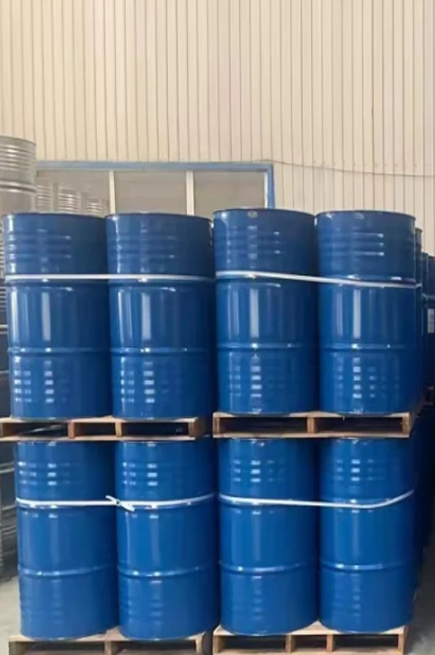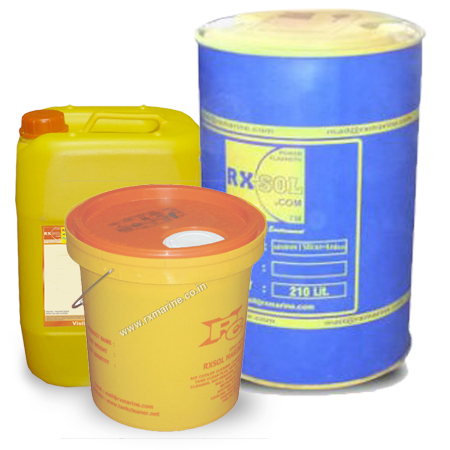
Antifoam Defoamer

RXSOL-16-2066 is antifoam emulsion and its more concentrated antifoam emulsion. It has excellent candidates for controlling foam in amine and glycol dehydration units. This is suitable products for gas plants and have excellent stability in the presence

SKU: RXSOL-16-2066-210 Category:

Description

RXSOL-16-2066-210 is antifoam emulsion and its more concentrated antifoam emulsion. It has excellent candidates for controlling foam in amine and glycol dehydration units. This is suitable products for gas plants and have excellent stability in the presence of salts, resulting in reduced deposits on the plant’s equipment. RXSOL-16-2066-210  help preserves foam control under the severe conditions of a dehydrating unit. These conditions can remove water from other antifoam emulsions, rendering them immediately inactive.

Antifoam Defoamer is a very efficient and stable emulsion designed for a variety of aqueous systems. It may be used as received or dilute for specific applications.

Silicone-free liquid anti foaming agents are typically more effective in water-based and solvent-based systems



Product Details

Application

This antifoam compound are targeted for gas recovery plants, where natural gas must be washed, or scrubbed, before distribution, and for liquefied natural gas (LNG) plants that must achieve high gas purity before liquefaction.

In many amine units, foam can be problematic. Proper line control without antifoam is, generally, extremely difficult.

Food Processing & Agribusiness

Water Treatment

Paint Inks and Coatings, & Adhesives (PICA)

Chemical Manufacturing

Cleaning Compounds

Processes Pulp Paper

Oil and gas

Mining

Recycle mills, sulfite mills, and kraft mills all rely on antifoams and defoamers. Foam buildup can lead to slower production rates, low-quality output, increased use of bleaching, inefficient washing, and maintenance problems.

Dosage & Procedure

General-purpose antifoams have a wide range of applicability, but not all of them are suitable for use in the treatment of gas. Some foam control agents can aggravate the problem. Foam control in gas scrubbers is only one of the process parameters to be monitored. It is equally important to prevent or slow the fouling of the unit, because dismantling of the gas-scrubbing units is manually intensive. Incorrectly specified antifoams can easily lead to increased fouling and clogging, particularly in the heat exchangers. Momentive Performance Materials RXSOL antifoams are designed to provide foam control with a minimum of such problems.

Antifoam Defoamer is a cost-effective and economical defoamer designed for a wide range of food-grade and food processing applications as well as general industrial applications in paper making, textiles, paints and coatings, and anywhere foam is an issue. To determine the required amount of antifoam for your specific application, begin with 100 ppm and adjust the levels down to determine the optimum use level. For food applications, do not exceed 100 ppm. Pre-dilution provides a way to manage performance and economy for most applications. Antifoam Defoamer is very Dilution Stable to levels below 2%

Technical Specifications


Emulsion: Silicone Antifoam Emulsion RXSOL-16-2066-210
Chemical Nature Emulsion of a silicone antifoam compound
Appearance White, homogeneous, slightly viscous liquid

Viscosity at 25°C, cSt
600
Active Ingredients, % 10
Specific Gravity at 25°/25°C 1
pH 7
Emulsion Type Non-ionic
Suitable Diluents Water only
 

Notes & Precautions

Key Features and Benefits

  • Quick foam knockdown - particularly useful when foam suddenly builds up in the absorber and rapid control is needed.
  • Excellent antifoarn stability and durability - over a period of time the concentration of salts in an amine or glycol dehydration unit can reach high levels. RXSOL-16-2066-210 antifoam emulsion and its more concentrated version, are easily dispersed in water and are compatible with glycols, they do not allow the presence of these glycols to easily remove water from their state of emulsion, thus remaining effective for a longer period.
  • Excellent stability at high temperatures - because of their excellent dispersibility. RXSOL-16-2066-210 antifoam emulsion do not show a propensity to deposit on heat exchangers as many other antifoams tend to. Instead, they remain finely dispersed in the amine or glycol solution and are eventually filtered out.
  • Easy dilution and use - simple addition of water and minimum agitation is sufficient to dilute RXSOL-16-2066-210 antifoam emulsion to required concentrations. Pumping of the diluted emulsions is easy, due to their low viscosity.
  • Reduced clogging or scaling in the heat exchangers - potentially resulting in less service maintenance.
  • Low concentrations can provide effective foam control - RXSOL-16-2066-210 antifoam emulsion and often two to three times more effective than other antifoams used in gas treating units.

Product Safety, Handling and Storage

Refer to the Material Safety Data Sheet prior to use. Stir gently prior to use. Store in a closed container between 40F and 80F Customers should review the latest Material Safety Data Sheet (MSDS) and label for product safety information, safe handling instructions, personal protective equipment if necessary, and any special storage conditions required for safety. MSDS are available at www.rxmarine.com or, upon request, from any RX MARINE INTERNATIONAL representative. For product storage and handling procedures to maintain the product quality within our stated specifications, please review Certificates of Analysis, which are available in the Order Center.

Active Matter

81-85

Generic / Chemical Name

Antifoam Emulsion

Supply Locations

Antifoam Defoamer manufacturer, exporter and supplier in India Mumbai, Kolkata, Chennai, Vizag, Gandhidham, Surat, UAE Middle East Dubai, Sharjah, Ajman, ABudhabi, Iraq, Kuwait, Oman Muscat Barka, Canada

Safety Data (MSDS)

Product Name RXSOL-16-2066-210
Product Type Antifoam

Company Details:

RX MARINE INTERNATIONAL
105, A wing , BSEL , TECH PARK.
VASHI ,NEW BOMBAY 400703 INDIA

STOCK Point ::: Fujairah, Mumbai, Chennai, Kandla, Kolkata, Visakhapatnam, Fujairah, Muscat

Phone +91 22 65113333 / 5555 / 9999 / 27611360
Fax +91 22 2781 1318 :::AOH :0091 9821214367
Email mail@rxmarine.com

Name

CAS number

%

Polyether polyol

9003-11-6

60 - 80

Proprietory Blend ------- 20 - 40

Physical state

Liquid.

Odor

Faint odor.

Color

Clear.

OSHA/HCS status

While this material is not considered hazardous by the OSHA Hazard Communication tandard (29 CFR 1910.1200), this MSDS contains valuable information critical to the safe handling and proper use of the product. This MSDS should be retained and available for employees and other users of this product.

Emergency overview

CAUTION!
MAY CAUSE EYE IRRITATION.
Avoid breathing vapor or mist. Avoid contact with eyes. Wash thoroughly after handling.

See toxicological information (Section 11)  

GENERAL INFORMATION

Read the entire MSDS for a more thorough evaluation of the hazards.

Eye contact

Check for and remove any contact lenses. Immediately flush eyes with plenty of water for at least 15 minutes, occasionally lifting the upper and lower eyelids. Get medical attention immediately.

Skin contact

In case of contact, immediately flush skin with plenty of water for at least 15 minutes while removing contaminated clothing and shoes. Wash clothing before reuse. Clean shoes thoroughly before reuse. Get medical attention immediately.

Inhalation


Move exposed person to fresh air. If not breathing, if breathing is irregular or if respiratory arrest occurs, provide artificial respiration or oxygen by trained personnel. Loosen tight clothing such as a collar, tie, belt or waistband. Get medical attention immediately. 

Ingestion

Wash out mouth with water. Do not induce vomiting unless directed to do so by medical personnel. Never give anything by mouth to an unconscious person. Get medical attention immediately.

Notes to physician

No specific treatment. Treat symptomatically. Call medical doctor or poison control center immediately if large quantities have been ingested.

Flash point

Closed cup: 229.4°C (444.9°F)
Hazardous thermal decomposition products No specific data.
Extinguishing media  
Suitable Use an extinguishing agent suitable for the surrounding fire.
Not suitable None known.
Special exposure hazards Promptly isolate the scene by removing all persons from the vicinity of the incident if there is a fire. No action shall be taken involving any personal risk or without suitable training.
Special protective
equipment for fire-fighters
Fire-fighters should wear appropriate protective equipment and self-contained breathing apparatus (SCBA) with a full face-piece operated in positive pressure mode.


Personal precautions

No action shall be taken involving any personal risk or without suitable training. Evacuate surrounding areas. Keep unnecessary and unprotected personnel from entering. Do not touch or walk through spilled material. Avoid breathing vapor or mist. Provide adequate ventilation. Wear appropriate respirator when ventilation is inadequate. Put on appropriate personal protective equipment (see Section 8).

Environmental precautions

Avoid dispersal of spilled material and runoff and contact with soil, waterways, drains and sewers. Inform the relevant authorities if the product has caused environmental pollution (sewers, waterways, soil or air).

Methods for cleaning up

Stop leak if without risk. Move containers from spill area. Approach release from upwind. Prevent entry into sewers, water courses, basements or confined areas. Wash spillages into an effluent treatment plant or proceed as follows. Contain and collect spillage with non-combustible, absorbent material e.g. sand, earth, vermiculite or diatomaceous earth and place in container for disposal according to local regulations (see section 13). Dispose of via a licensed waste disposal contractor. Contaminated absorbent material may pose the same hazard as the spilled product. Note: see section 1 for emergency contact information and section 13 for waste disposal.


Handling

Put on appropriate personal protective equipment (see Section 8). Eating, drinking and smoking should be prohibited in areas where this material is handled, stored and processed. Workers should wash hands and face before eating, drinking and smoking. Remove contaminated clothing and protective equipment before entering eating areas. Do not ingest. Avoid contact with eyes, skin and clothing. Avoid breathing vapor or mist. Keep in the original container or an approved alternative made from a compatible material, kept tightly closed when not in use. Empty containers retain product residue and can be hazardous. Do not reuse container.

Storage Store in accordance with local regulations. Store in original container protected from direct sunlight in a dry, cool and well-ventilated area, away from incompatible materials (see section 10) and food and drink. Keep container tightly closed and sealed until ready for use. Containers that have been opened must be carefully resealed and kept upright to prevent leakage. Do not store in unlabeled containers. Use appropriate containment to avoid environmental contamination.


Recommended monitoring
procedures

If this product contains ingredients with exposure limits, personal, workplace atmosphere or biological monitoring may be required to determine the effectiveness of the ventilation or other control measures and/or the necessity to use respiratory protective equipment.

Engineering measures

No special ventilation requirements. Good general ventilation should be sufficient to control worker exposure to airborne contaminants. If this product contains ingredients with exposure limits, use process enclosures, local exhaust ventilation or other engineering controls to keep worker exposure below any recommended or statutory limits.

Hygiene measures

Wash hands, forearms and face thoroughly after handling chemical products, before eating, smoking and using the lavatory and at the end of the working period. Appropriate techniques should be used to remove potentially contaminated clothing. Wash contaminated clothing before reusing. Ensure that eyewash stations and safety showers are close to the workstation location.
Personal protection  
Respiratory In case of inadequate ventilation wear respiratory protection. Respirator selection must be based on known or anticipated exposure levels, the hazards of the product and the safe working limits of the selected respirator.
Hands Chemical-resistant, impervious gloves complying with an approved standard should be worn at all times when handling chemical products if a risk assessment indicates this is necessary.
Eyes Safety eyewear complying with an approved standard should be used when a risk assessment indicates this is necessary to avoid exposure to liquid splashes, mists or dusts.
Skin Personal protective equipment for the body should be selected based on the task being performed and the risks involved and should be approved by a specialist before handling this product.
Environmental exposure
controls
Emissions from ventilation or work process equipment should be checked to ensure they comply with the requirements of environmental protection legislation. In some cases, fume scrubbers, filters or engineering modifications to the process equipment will be necessary to reduce emissions to acceptable levels.

General information

Appearance

Clear, Milky White

Physical state

Liquid.

Color

Clear.

Odor

Faint odor.
Important health, safety and environmental information  
pH 7
Boiling/condensation point >35°C (>95°F)
Melting/freezing point Not available.
Flash point Closed cup: 229.4°C (444.9°F)
Flammable limits Not available.
Auto-ignition temperature Not available.
Vapor pressure Not available.
Specific gravity 1.01
Partition coefficient: noctanol/
water (log Kow)
Not available.
Viscosity Kinematic: 1.75 cm2/s (175 cSt at 40°C)
Density Not available.
Vapor density >1 [Air = 1]
Evaporation rate (butyl
acetate = 1)
Not available.

Chemical stability

 The product is stable.

Hazardous polymerization

 Under normal conditions of storage and use, hazardous polymerization will not occur.

Conditions to avoid

No specific data.

Materials to avoid

isocyanate

Hazardous decomposition
products

Under normal conditions of storage and use, hazardous decomposition products should
not be produced.


Potential acute health effects


Inhalation

No known significant effects or critical hazards.

Ingestion

No known significant effects or critical hazards.

Skin contact

No known significant effects or critical hazards.
Eye contact Slightly irritating to the eyes.
Potential chronic health effects  
General No known significant effects or critical hazards.
Target organs No known significant effects or critical hazards.
Carcinogenicity No known significant effects or critical hazards.
Mutagenicity No known significant effects or critical hazards.
Teratogenicity No known significant effects or critical hazards.
Developmental
effects
No known significant effects or critical hazards.
Fertility effects No known significant effects or critical hazards.
Medical conditions aggravated by over-exposure  

Environmental effects

No known significant effects or critical hazards.

Other adverse effects

No known significant effects or critical hazards.

Other ecological information


BOD5

Not determined.
COD Not determined.
TOC Not determined.


Waste disposal

The generation of waste should be avoided or minimized wherever possible. Significant quantities of waste product residues should not be disposed of via the foul sewer but processed in a suitable effluent treatment plant. Dispose of surplus and non-recyclable products via a licensed waste disposal contractor. Disposal of this product, solutions and any by-products should at all times comply with the requirements of environmental protection and waste disposal legislation and any regional local authority requirements. Waste packaging should be recycled. Incineration or landfill should only be considered when recycling is not feasible. This material and its container must be disposed of in a safe way. Care should be taken when handling emptied containers that have not been cleaned or rinsed out. Empty containers or liners may retain some product residues. Avoid dispersal of spilled material and runoff and contact with soil, waterways, drains and sewers.

Disposal should be in accordance with applicable regional, national and local laws and regulations.


Proper shipping name


DOT

 Not regulated.

TDG  Not regulated.
IMDG Not regulated.
 IATA  Not regulated.
Regulatory information UN number Classes PG* Label Additional information
DOT Classification Not regulated - - - -
TDG Classification Not regulated - - - -
IMDG Class Not regulated - - - -
IATA-DGR Class Not regulated - - - -

PG* : Packing group

United States  

HCS Classification

U.S. Federal regulations

Not regulated.
TSCA 8(b) inventory United States inventory (TSCA 8b): This material is listed or exempted.
TSCA 5(a)2 final

No ingredients listed.

significant new use rule
(SNUR)
 

TSCA 5(e) substance consent order

No ingredients listed.
TSCA 12(b) export
notification
No ingredients listed.
SARA 302/304/311/312 SARA 302/304/311/312 extremely hazardous substances: No products were found.
SARA 302/304 emergency planning and notification: No products were found.
SARA 302/304/311/312 hazardous chemicals: No products were found.
SARA 311/312 MSDS distribution - chemical inventory - hazard identification: No products were found.
Clean Air Act Section
112(b) Hazardous Air
Pollutants (HAPs)
No ingredients listed.
Clean Air Act         
Depleting Substances
(ODS)
Ozone This product does not contain nor is it manufactured with ozone depleting substances.
SARA 313 No ingredients listed.
 CERCLA Hazardous substances  No ingredients listed.
 State regulations  
 PENNSYLVANIA - RTK  No ingredients listed.
California Prop. 65 This product contains no listed substances known to the State of California to cause cancer, birth defects or other reproductive harm, at levels which would require a warning under the statute.
International regulations  
Canada  
WHMIS (Canada) Not controlled under WHMIS (Canada).
CEPA DSL This material is listed or exempted.

This product has been classified in accordance with the hazard criteria of the Controlled Products Regulations and the MSDS contains all the information required by the Controlled Products Regulations.

International lists

Australia inventory (AICS): This material is listed or exempted.
China inventory (IECSC): This material is listed or exempted.
Japan inventory: This material is listed or exempted.
Korea inventory: This material is listed or exempted.
New Zealand Inventory of Chemicals (NZIoC): This material is listed or exempted.
Philippines inventory (PICCS): This material is listed or exempted

Label requirements MAY CAUSE EYE IRRITATION.
Hazardous Material
Information System (U.S.A.)
 
Health 0
  Flammability 1
  Physical hazards 0
  Personal protection

 The customer is responsible for determining the PPE code for this material.

National Fire Protection
Association (U.S.A.)
Health 0  
  Flammability 1  
  Instability 0  
  Special  

Indicates information that has changed from previously issued version.

Notice to reader

While the information and recommendations in this publication are to the best of our knowledge, information and belief accurate at the date of publication, NOTHING HEREIN IS TO BE CONSTRUED AS A WARRANTY, EXPRESS OR OTHERWISE. IN ALL CASES, IT IS THE RESPONSIBILITY OF THE USER TO DETERMINE THE APPLICABILITY OF SUCH INFORMATION AND RECOMMENDATIONS AND THE SUITABILITY OF ANY PRODUCT FOR ITS OWN PARTICULAR PURPOSE. THE PRODUCT MAY PRESENT HAZARDS AND SHOULD BE USED WITH CAUTION. WHILE CERTAIN HAZARDS ARE DESCRIBED IN THIS  PUBLICATION, NO GUARANTEE IS MADE THAT THESE ARE THE ONLY HAZARDS THAT EXIST.
Hazards, toxicity and behaviour of the products may differ when used with other materials and are dependent upon the manufacturing circumstances or other processes. Such hazards, toxicity and behaviour should be determined by the user and made known to handlers, processors and end users.

DISCLAIMER OF LIABILITY :The information in this SDS was obtained from sources which we believe are reliable. However, the information is provided without any warranty, express or implied, regarding its correctness. The conditions or methods of handling, storage, use or disposal of the product are beyond our control and may be beyond our knowledge. For this and other reasons, we do not assume responsibility and expressly disclaim liability for loss, damage or expense arising out of or in any way connected with the handling, storage, use or disposal of the product. This MSDS was prepared and is to be used only for this product. If the product is used as a component in another product, this MSDS information may not be applicable.


top