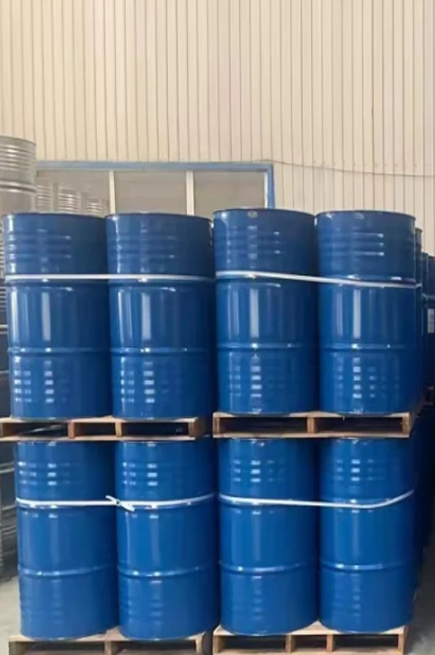
Description
Sodium Hypochlorite solution, Used for sterlizing water and swimming pool…This will – Remove odors. Remove Color. Improve permaganate time.
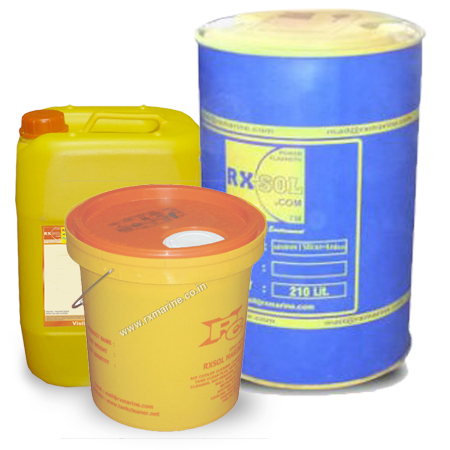
Remove odors, Remove color, Improve permanganate time.
Sodium Hypochlorite solution, Used for sterlizing water and swimming pool…This will – Remove odors. Remove Color. Improve permaganate time.
|
1 |
Available Chlorine |
14-16% |
|
2 |
Ph |
11-13. |
|
3 |
Sp.Gravity |
1.23 - 1.40 |
|
4 |
Free Alkali (Per Lts ) |
0.42to0.5% |
|
5 |
Stability |
2 to 3 Month ( GENERAL ATMOSPHRIC TEMP ) OR more stable Below 18°C |
|
6 |
Viscocity |
0.98 |
|
7 |
Alkalinity |
1.99 |
|
8 |
Appearance |
Pale yellow / green |
|
9 |
Flash point |
None |
|
10 |
Turbidity |
nil |
|
11 |
CU |
NIL |
|
12 |
Biodegradable |
Completely biodegradable |
|
13 |
Free Acid |
None |
6% Sodium Hypochlorite Solution. Disinfectant for use in drinking water. Use one drop of solution per 10 ltrs of drinking water, 600 ml of solution per 36 tons of drinking water.
General formulation to calculate how much bleach is needed to add to a tank or a pipeline to disinfect it to a given chlorine residual using a given disinfectant. Usually someone wants to know how to meet an AWWA Standard (like C651-92, Disinfection of Water Mains). The equation below should be used to estimate the amount of sodium / Calcium hypochlorite (Chlorine Water is 6.00% sodium hypochlorite) needed to disinfect a given quantity of water to a desired chlorine concentration.
|
req'd residual in ppm |
For example , say you had installed a new 5,000 gallon tank and wanted to make sure that you had at least a 100 ppm solution of chlorine in it.
How much 6.00% Hypochlorite would you need to add ?
How much 12% Hypochlorite solution would you need ?
If you use calcium hypochlorite (the white, powder version of chlorine, like HTH pool cleaner), the equation becomes:
|
req'd residual in PPM |
Let's assume that we still need to disinfect 5,000 gallons at 100 ppm.
How many pounds of 65% calcium hypochlorite (HTH pool cleaner) are needed?
12.5% wt. SODIUM HYPOCHLORITE - EXTRA - PURE
| Parameters | Specification Range | Typical |
|
Sodium Hypochlorite as NaOCl (%wt) |
12.5 - 13.2 | 13.0 |
| Available Chlorine (%wt) | 11.9 - 12.6 | 12.4 |
| Available Chlorine (%vol) | 14.3 - 15.3 | 15.0 |
| Available Chlorine grams/liter | 143 - 153 | 150 |
| Excess Caustic (%wt) | 0.25 - 0.80 | 0.30 |
| Specific Gravity @ 60°F | 1.197 - 1.220 | 1.210 |
| pH | 12.0 - 13.0 | 12.50 |
| Iron (Fe) ppm | <0.5 | 0.05 |
| Nickel (Ni) ppm | <0.2 | 0.02 |
| Copper (Cu) ppm | <0.2 | 0.05 |
| Mercury (Hg) ppb | 0.001 - 0.003 | 0.002 |
| Sodium Chloride (NaCl)% | <15.0 | 12.5 |
Appearance: Clear greenish-yellow liquid miscible in any proportion with water.
This product meets the requirements of NSF standard 60 for drinking water.
Injection -no.
Re-circulation - Following rough washing to a good Water White standard or better, apply dilute Bleach to 1-3% strength. Mix sufficient Bleach with fresh water in the tank and heat this mixture to 40 - 500C, circulate through the drop line if fitted and than circulate through butterworth machine for 3 hours. After re-circulation immediately warm butterworth to (500 C) the tank for 3 hours at maximum pressure, increase the water temperature to 80-850 C after 45 minutes. Check (by smell) that there is no Bleach remaining, then fresh water rinse and dry.
** When there are a number of tanks requiring re-circulation, it may be significantly more efficient to make up a large batch or number of batches that can be transferred on between tanks as required.
* Use a strainer at the pump stack when circulating any solution.
Tank Lining - Stainless / Zinc / Epoxy / Phenolic (Extreme care must be taken if product other than bleach substitute is to be used in any coated space).
Sodium Hypo Chlorite for CoronaVirus manufacturer supplier distributor in Mumbai, Kandla, Kolkata, Vizag, Chennai, India, Fujairah, Dubai, Sharjah, UAE, Gulf, Middle East, Muscat Oman, Kenya Africa. Get the best quality of Sodium Hypo Chlorite for CoronaVirus at a competitive price from us. We have ready stock of Sodium Hypo Chlorite for CoronaVirus in India, UAE Gulf, Oman, Kenya Africa. Contact us for bulk as well as small orders.

| Product Name | : | RXSOL-31-3025-025 |
| Product Type | : | SODIUM HYPO CHLORITE |
Material Identity
Product Name: SODIUM HYPOCHLORITE
General or Generic ID: SALTS
Company Details:
RX MARINE INTERNATIONAL
105, A wing , BSEL , TECH PARK.
VASHI ,NEW BOMBAY 400703 INDIA
STOCK Point : Mumbai, Kandla, Chennai, Visakhapatnam, Kolkata, Fujairah, Muscat
| Phone | : | +91 22 27815541 / 42 |
| Fax | : | +91 22 2781 1318 :::AOH :0091 9821214367 |
| : | mail@rxmarine.com | |
| Website | : | www.rxmarine.com |

| Name of Substance | Cas Number | EC NO | Classification | Concentration |
| Sodium hypochlorite | 7681-52-9 | 231-668-3 1 |
Skin Corr. 1B; Aquatic Acute H314, H400, EUH031 |
2,5 - 5 % |

| Eye | Never gives chance to enter in EYE. Can cause permanent eye injury. Symptoms include stinging, tearing, redness, and swelling of eyes. Can injure the cornea and cause blindness. |
| Skin | Can cause permanent skin damage. Symptoms may include redness, burning, and swelling of skin, burns, and other skin damage. Additional symptoms of skin contact may include: skin blistering, hair loss, Passage of this material into the body through the skin is possible, but it is unlikely that this would result in harmful effects during safe handling and use. |
| Swallowing | Swallowing this material may be harmful or fatal. Symptoms may include severe stomach and intestinal irritation (nausea, vomiting, diarrhea), abdominal pain, and vomiting of blood. Swallowing this material may cause burns and destroy tissue in the mouth, throat, and digestive tract. Low blood pressure and shock may occur as a result of severe tissue injury. |
| Inhalation | It is possible to breathe this material under certain conditions of handling and use (for example, during heating, spraying, or stirring). Breathing this material may be harmful or fatal. Symptoms may include severe irritation and burns to the nose, throat, and respiratory tract. |
| Symptoms of Exposure |
Signs and symptoms of exposure to this material through breathing, swallowing, and/or passage of the material through the skin may include: stomach or intestinal upset (nausea, vomiting, diarrhea) cough, tight feeling in the chest, difficult breathing, lung edema (fluid buildup in the lung tissue), lung damage, shock, coma, and death. |
| Target Organ Effects | This material (or a component) has been shown to lower activity of certain immune system cells in experimental animals. The significance of this effect with respect to human health is uncertain. |
| Developmental Information | There are no data available for assessing risk to the fetus from maternal exposure to this material. |
| Cancer Information | Based on the available information, this material cannot be classified with regard to carcinogenicity. This material is not listed as a carcinogen by the International Agency for Research on Cancer, the National Toxicology Program, or the Occupational Safety and Health Administration. |
| Other Health Effects | When combined with an acid or ammonia, sodium hypochlorite may produce chlorine or chloramine gas, respectively. Inhalation of these gases results in coughing, choking, difficult breathing, and other symptoms of respiratory tract irritation. Fluid may collect in the lung tissue following a severe gas exposure. |
| Primary Route(s) of Entry |
Inhalation, Skin contact, Eye contact. |
| Signal word | Danger |
| Hazard statement(s) |
H315 Causes skin irritation. H318 Causes serious eye damage. H400 Very toxic to aquatic life. |
| Precautionary statement(s) |
P273 Avoid release to the environment. P280 Wear protective gloves/ eye protection/ face protection. P305 + P351 + P338 IF IN EYES: Rinse cautiously with water for several minutes. Remove contact lenses, if present and easy to do. Continue rinsing. |
| Supplemental Hazard Statements | None |
| Other hazards |
None |

| Eyes | If material gets into the eyes, immediately flush eyes gently with water for at least 15 minutes while holding eyelids apart. If symptoms develop as a result of vapor exposure, immediately move individual away from exposure and into fresh air before flushing as recommended above. Seek immediate medical attention. |
| Skin | Immediately flush skin with water for at least 15 minutes while removing contaminated clothing and shoes. Seek immediate medical attention. Wash clothing before reuse and discard contaminated shoes. |
| Swallowing | Seek immediate medical attention. Do not induce vomiting. Vomiting will cause further damage to the mouth and throat. If individual is conscious and alert, immediately rinse mouth with water and give milk or water to drink. If possible, do not leave individual unattended. |
| Inhalation | If symptoms develop, immediately move individual away from exposure and into fresh air. Seek immediate medical attention; keep person warm and quiet. If person is not breathing, begin artificial respiration. If breathing is difficult, administer oxygen. |
| Note to Physicians | Preexisting disorders of the following organs (or organ systems) may be aggravated by exposure to this material: skin, lung (for example, asthma-like conditions), immune system. |

| Flash Point | Not applicable |
| Explosive Limit | Not applicable |
| Autoignition Temperature | No data |
| Hazardous Products of Combustion | May form: chlorine |
| Fire and Explosion Hazards |
No special fire hazards are known to be associated with this product. |
| Extinguishing Media | Use an extinguishing media appropriate for surrounding fire.. |
| Fire Fighting Instructions | Water may be used to keep fire-exposed containers cool until fire is out. Wear a self-contained breathing apparatus with a full facepiece operated in the positive pressure demand mode with appropriate turn-out gear and chemical resistant personal protective equipment. Refer to the personal protective equipment. section of this MSDS. |
| NFPA Rating | Health - 3, Flammability - 0, Reactivity - 1 |

| Small Spill | Dilute with water and absorb onto a noncombustible absorbent material. |
| Large Spill | Prevent run-off to sewers, streams or other bodies of water. If run-off occurs, notify proper authorities as required, that a spill has occurred. Collect and add slowly to large volume of water. Persons not wearing protective equipment should be excluded from area of spill until clean-up is completed. Stop spill at source. Dike to prevent spreading. Pump to salvage tank. |

| Handling |
Containers of this material may be hazardous when emptied. Since emptied containers retain product residues (vapor, liquid, and/or solid), all hazard precautions given in the data sheet must be observed. Emergency eyewash fountains and safety showers should be available in the immediate vicinity of potential exposure |

| Eye Protection | Chemical splash goggles and face shield (8" min.) in compliance with OSHA regulations are advised; however, OSHA regulations also permit other type safety glasses. (Consult your industrial hygienist.) |
| Skin Protection | Wear impervious gloves (consult your safety equipment supplier). To prevent skin contact, wear impervious clothing and boots.. |
| Respiratory Protections |
If overexposure has been determined or documented, a NIOSH/MSHA jointly approved air supplied respirator is advised in absence of proper environmental control. OSHA regulations also permit other NIOSH/MSHA respirators under specified conditions. (See your safety equipment supplier.) Engineering or administrative controls should be implemented to reduce exposure. |
| Engineering Controls | Provide sufficient mechanical (general and/or local exhaust) ventilation to maintain exposure below level of overexposure (from known, suspected or apparent adverse effects). |
| Exposure Guidelines | Component |
| WATER (7732-18-5) | No exposure limits established |
| SODIUM HYPOCHLORITE (7681-52-9) | No exposure limits established |

| Boiling Point | (for component) 212.0 F (100.0 C) | |
| Vapor Pressure | (for component) 17.500 mmHg | |
| Specific Vapor Density | No data | |
| Specific Gravity | 1.220 - 1.250 @ 68.00 F | |
| Liquid Density |
10.400 lbs/gal @ 68.00 F 1.250 kg/l @ 20.00 C |
|
| Percent Volatiles | 87.5% | |
| Evaporation Rate | SLOWER THAN ETHYL ETHER | |
| Appearance | No data | |
| State | LIQUID | |
| Physical Form | HOMOGENEOUS SOLUTION | |
| Color | CLEAR TO YELLOW LIQUID | |
| Odor | CHLORINATED BLEACH ODOR | |
| pH | 13.5 | |
| Solubility in Water | SOLUBLE |

| Reactivity | No data available |
| Stability | Stable under recommended storage conditions. |
| Possibility of Hazardous Reaction | No data available |
| Conditions to Avoid | No data available |
| Incompatible Materials | No data available. |
| Hazardous Decomposition Products |
Other decomposition products - no data available In the event of fire: see section 5 |
| Hazardous Polymerization | Product will not undergo hazardous polymerization. |

| Acute toxicity | No data available |
| Skin corrosion/irritation | No data available |
| Serious eye damage/irritation | No data available |
| Respiratory or skin sensitisation | No data available |
| Germ cell mutagenicity | No data available |
| Carcinogenicity |
IARC: No component of this product present at levels greater than or equal to 0.1% is identified as probable, possible or confirmed human carcinogen by IARC. |
| Reproductive toxicity | No data available |
| STOT-single exposure | No data available |
| STOT-repeated exposure | No data available |
| Aspiration hazard | No data available |
| Additional Information | RTECS: Not available |

ToxicityNo data available
Persistence and degradabilityNo data available
Bioaccumulative potential No data available
Mobility in soilNo data available
Results of PBT and vPvB assessmentPBT/vPvB assessment not available as chemical safety assessment not required/not conducted.
Other adverse effectsVery toxic to aquatic life.

| Waste Management Information | Dispose of in accordance with all applicable local, state and federal regulations. |

| DOT Information | - 49 CFR 172.101 | |
| DOT Description: | HYPOCHLORITE SOLUTIONS,8,UN1791,III | |
| Container/Mode: | 55 GAL DRUM/TRUCK PACKAGE | |
| NOS Component: | Not applicable | |
| RQ (Reportable Quantity) | - 49 CFR 172.101 | |
| Product Quantity (lbs) | Component |
ADR/RID
| UN number | 3082 |
| UN proper shipping name | ENVIRONMENTALLY HAZARDOUS SUBSTANCE, LIQUID, N.O.S. (Sodium hypochlorite) |
| Hazard Class | 9 |
| Packing Group | III |
| Environmental hazards | yes |
IMDG
| UN number | 3082 |
| UN proper shipping name | ENVIRONMENTALLY HAZARDOUS SUBSTANCE, LIQUID, N.O.S. (Sodium hypochlorite) |
| Hazard Class | 9 |
| Packing Group | III |
| Environmental hazards | No |
IATA
| UN number | 3082 |
| UN proper shipping name | ENVIRONMENTALLY HAZARDOUS SUBSTANCE, LIQUID, N.O.S. (Sodium hypochlorite) |
| Hazard Class | 9 |
| Packing Group | III |
| Environmental hazards | yes |

-------Chemical Inventory Status - Part 1---------------------------------
Ingredient TSCA EC Japan Australia
----------------------------------------------- ---- --- ----- ---------
Sodium Hypochlorite (as NaOCl) (7681-52-9) Yes Yes Yes Yes
Water (7732-18-5) Yes Yes Yes Yes
--------Chemical Inventory Status - Part 2---------------------------------
--Canada--
Ingredient Korea DSL NDSL Phil.
----------------------------------------------- ----- --- ---- -----
Sodium Hypochlorite (as NaOCl) (7681-52-9) Yes Yes No Yes
Water (7732-18-5) Yes Yes No Yes
--------Federal, State & International Regulations - Part 1----------------
-SARA 302- ------SARA 313------
Ingredient RQ TPQ List Chemical Catg.
----------------------------------------- --- ----- ---- --------------
Sodium Hypochlorite (as NaOCl) (7681-52-9) No No No No
Water (7732-18-5) No No No No
--------Federal, State & International Regulations - Part 2----------------
-RCRA- -TSCA-
Ingredient CERCLA 261.33 8(d)
----------------------------------------- ------ ------ ------
Sodium Hypochlorite (as NaOCl) 100 No No
(7681-52-9)
Water (7732-18-5) No No No
Chemical Weapons Convention: No TSCA 12(b): No CDTA: No
SARA 311/312: Acute: Yes Chronic: No Fire: No Pressure: No
Reactivity: No (Mixture / Liquid)
Australian Hazchem Code: None allocated.
Poison Schedule: S5
WHMIS: This MSDS has been prepared according to the hazard criteria of the Controlled Products Regulations (CPR) and the MSDS contains all of the information required by the CPR

The information accumulated herein is believed to be accurate but is not warranted to be whether originating with the company or not. Recipients are advised to confirm in advance of need that the information is current, applicable, and suitable to their circumstances.
DISCLAIMER OF LIABILITY :The information in this SDS was obtained from sources which we believe are reliable. However, the information is provided without any warranty, express or implied, regarding its correctness. The conditions or methods of handling, storage, use or disposal of the product are beyond our control and may be beyond our knowledge. For this and other reasons, we do not assume responsibility and expressly disclaim liability for loss, damage or expense arising out of or in any way connected with the handling, storage, use or disposal of the product. This MSDS was prepared and is to be used only for this product. If the product is used as a component in another product, this MSDS information may not be applicable.
| Reactivity | No data available |
| Stability | Stable under recommended storage conditions. |
| Possibility of Hazardous Reaction | No data available |
| Conditions to Avoid | No data available |
| Incompatible Materials | No data available. |
| Hazardous Decomposition Products |
Other decomposition products - no data available In the event of fire: see section 5 |