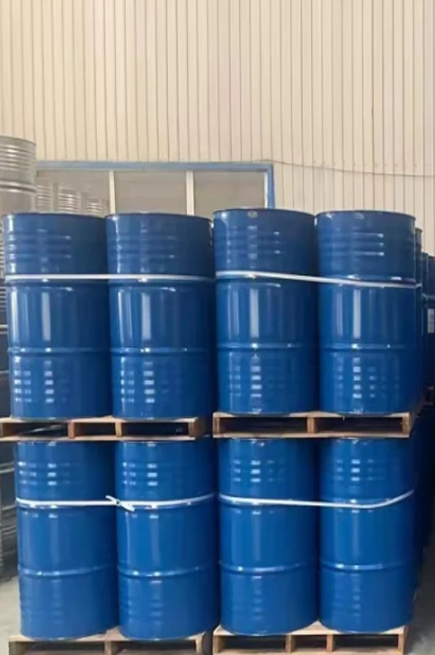
Description
Benzalkonium BKC manufacturer, supplier and exporter.
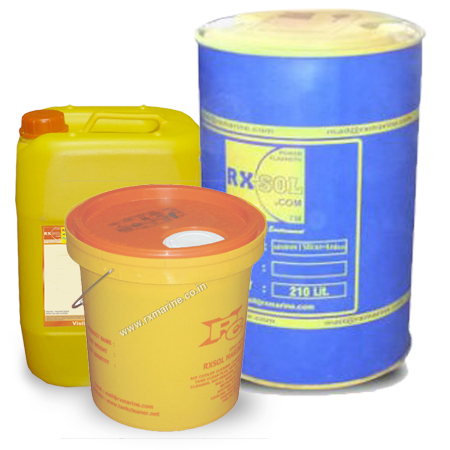
Benzalkonium salts are widely used as disinfectants, biocides and detergents, among a variety of other applications.
Benzalkonium salts are widely used as disinfectants, biocides and detergents, among a variety of other applications. The cationic surface-activity of these salts determines their potential to act as a biocide on both target and non-target organisms.
Benzalkonium chloride is a quaternary ammonium antiseptic and disinfectant with actions and uses similar to those of other cationic surfactants. It is also used as an antimicrobial preservative for pharmaceutical products.
Quaternary compounds, including the benzalkonium salts, constitute an economically important class of industrial chemicals that are widely distributed among a diverse array of products and users from an industrial to the household sector. Because of their strong cationic surface activity, quaternary compounds are used primarily as disinfectants, biocides, and detergents, but also as anti-electrostatics, and as phase transfer catalysts.
Very important features of benzalkonium salts are their bactericidal and antimicrobial properties. The antimicrobial activity depends on a changing length of the side n-alkyl chain. It is well known that the C12-homolog is most effective against yeast and fungi, the C14-homologue against gram-positive bacteria and C16-homolog against gram-negative bacteria . For these reasons they are widely used as preservatives for ophthalmic, nasal and parenteral products. They are also used as topical antiseptics and disinfectants for medical equipment .
These compounds are not generally used as single components, but rather as mixtures composed of two or three benzalkonium members differing only in the length of the alkyl chains . Such mixtures are produced on a large-scale in industry. However, a targeted synthesis of pure individuals could be of interest because of the above-mentioned specificity of each salt against different pathogens.
BenzalKonium Chloride BKC supplier in Mumbai, Kandla, Kolkata, Chennai, Visakhapatnam, Surat, Kandla, Gujrat, Fujairah, Dubai, Sharjah, Ajman, Abudhabi Gulf UAE, Ruwi, Barka Sohar, Muscat, Oman, Sudan, Yemen, Nairobi Kenya
RXSOL Brand is popular as a water treatment chemicals Company in India, UAE, Oman, Nairobi, and Sudan. Some of our water treatment chemicals RAW MATERIALS product list.
| 1 | Cyclohexylamine | CHA | 108-91-8 |
| 2 | Morpholine | MORPH | 110-91-8 |
| 3 | 3-Methoxypropylamine | MOPA | 5332-73-0 |
| 4 | N,N-Diethylhydroxylamine | DEHA | 3710-84-7 |
| 5 | Hydrazine Hydrate | HH | 10217-52-4 |
| 6 | Carbonyl Dihydrazine | CBDH | 497-18-7 |
| 7 | Acetone Oxime | DMKO | 127-06-0 |
| 8 | EDTA-2Na | EDTA-2Na | 6381-92-6 |
| 9 | EDTA-4Na | EDTA-4Na | 10378-23-1 |
| 10 | 2,2-Dibromo-2-Cyanoacetamide | DBNPA | 10222-01-2 |
| 11 | Benzalkonium Chloride | BAC | 63449-41-2 |
| 12 | Polyhexamethylene Guanidine | PHMG | 57028-96-3 |
| 13 | Sodium Bromide | NaBr | 7647-15-6 |
| 14 | Polyacrylamide | PAM | 9003-5-8 |
| 15 | Sodium Molybdate | SUMO | 7631-95-0 |
| 16 | Sodium Tripolyphosphate | STPP | 7758-29-4 |
Water Treatment Chemicals supplier in your city nearby you in your COUNTRY INDIA, OMAN, UAE, NAIROBI

| Product Name | BenzalKonium Chloride BKC |
| Part Number | RXSOL-43-1599-230 |
Company Details:
RX MARINE INTERNATIONAL
105, A wing , BSEL , TECH PARK.
VASHI ,NEW BOMBAY 400703 INDIA
Branch : Kandla, Mumbai, Chennai, Kakinada, Vizag, Kolkata, UAE, and Oman
| Phone | +91 22 2781 5540 / 41 / 42 |
| Fax | +91 22 2781 1318 :::AOH :0091 9821214367 |
| 123@rxmarine.com | |
| Website | www.rxmarine.com |

| Name of Substance | Cas Number | Weight % |
| N-Alkyldimethylbenzyl ammonium chloride | 8001-54-5 | 80 |
| Water | 7732-18-5 | 16 |
| Proprietory | 4 |

| Signal Word | Warning |
| Hazard Statements |
H302 Harmful if swallowed. H314 Causes severe skin burns and eye damage. H400 Very toxic to aquatic life. |
| Precautionary statements - prevention |
P260 Do not breathe dust/ fume/ gas/ mist/ vapours/ spray. Wash face, hands and any exposed skin thoroughly after handling Do not eat, drink or smoke when using this product Do not breathe dust/fume/gas/mist/vapors/spray Wear protective gloves/protective clothing/eye protection/face protection Use only outdoors or in a well-ventilated area |
| Precautionary statements - response |
Immediately call a POISON CENTER or doctor/physician Inhalation IF INHALED: Remove victim to fresh air and keep at rest in a position comfortable for breathing Skin IF ON SKIN (or hair): Take off immediately all contaminated clothing. Rinse skin with water/shower Wash contaminated clothing before reuse Eyes IF IN EYES: Rinse cautiously with water for several minutes. Remove contact lenses, if present and easy to do. Continue rinsing. Ingestion Rinse mouth Do NOT induce vomiting Storage Store locked up Store in a well-ventilated place. Keep container |

| Skin Contact | Wash off immediately with plenty of water for at least 15 minutes. Remove and wash contaminated clothing and gloves, including the inside, before re-use. Call a physician immediately. |
| Eye Contact | Rinse immediately with plenty of water, also under the eyelids, for at least 15 minutes. Immediate medical attention is required. Keep eye wide open while rinsing. |
| Inhalation: | Do not use mouth-to-mouth method if victim ingested or inhaled the substance; give artificial respiration with the aid of a pocket mask equipped with a one-way valve or other proper respiratory medical device. Remove from exposure, lie down. Call a physician immediately. If not breathing, give artificial respiration. |
| Ingestion | Do NOT induce vomiting. Never give anything by mouth to an unconscious person. Clean mouth with water. Call a physician immediately. |
| Most important symptoms/effects | Causes burns by all exposure routes. Ingestion causes severe swelling, severe damage to the delicate tissue and danger of perforation. |
| Notes to Physician | Treat symptomatically |

| Suitable extinguishing media | Use water spray, alcohol-resistant foam, dry chemical or carbon dioxide. Cool closed containers exposed to fire with water spray. |
| Unsuitable extinguishing media | No Information Available |
| Sensitivity to Mechanical Impact | No information available |
| Sensitivity to Static Discharge | No information available |
| Specific Hazards Arising from the Chemical | Thermal decomposition can lead to release of irritating gases and vapors. The product causes burns of eyes, skin and mucous membranes. Do not allow run-off from fire-fighting to enter drains or water courses. |
| Hazardous Combustion Products | Thermal decomposition can lead to release of irritating gases and vapors. Protective Equipment and Precautions for Firefighters As in any fire, wear self-contained breathing apparatus pressure-demand, MSHA/NIOSH (approved or equivalent) and full protective gear. Thermal decomposition can lead to release of irritating gases and vapors. |
| Protective Equipment and Precautions for Firefighters | Use personal protective equipment as required. Evacuate personnel to safe areas. Ensure adequate ventilation. Keep people away from and upwind of spill/leak. |
| Further Information | Do not flush into surface water or sanitary sewer system. Do not allow material to contaminate ground water system. Prevent product from entering drains. Local authorities should be advised if significant spillages cannot be contained. |

| Spillage | Absorb with an inert material and put the spilled material in an appropriate waste disposal.Flammable liquid. Keep away from heat. Keep away from sources of ignition. Stop leak if without risk. Absorb with DRY earth, sand or other non-combustible material. Do not touch spilled material. Prevent entry into sewers, basements or confined areas; dike if needed. Be careful that the product is not present at a concentration level above TLV. Check TLV on the MSDS and with local authorities. |
| Personal Protection | Use personal protective equipment. Ensure adequate ventilation. Remove all sources of ignition. Take precautionary measures against static discharges. |
| Enviromental Precaution | Should not be released into the environment. See Section 12 for additional ecological information. Avoid release to the environment. Collect spillage. Do not flush into surface water or sanitary sewer system. |
| Methods and materials for containment and cleaning | Soak up with inert absorbent material. Keep in suitable, closed containers for disposal. Remove all sources of ignition. Use spark-proof tools and explosion-proof equipment |

| Handling | Wear personal protective equipment. Do not get in eyes, on skin, or on clothing. Use only under a chemical fume hood. Do not breathe vapors or spray mist. Do not ingest. Keep away from open flames, hot surfaces and sources of ignition. Use only non-sparking tools. To avoid ignition of vapors by static electricity discharge, all metal parts of the equipment must be grounded. Take precautionary measures against static discharges. |
| Storage | Keep containers tightly closed in a dry, cool and well-ventilated place. Keep away from heat and sources of ignition. Flammables area. Corrosives area. |
| Hygiene measures | Immediately change contaminated clothing. Apply preventive skin protection. Wash hands and face after working with substance. |

| Engineering Control | Provide exhaust ventilation or other engineering controls to keep the airborne concentrations of vapors below their respective threshold limit value. Ensure that eyewash stations and safety showers are proximal to the work-station location. |
| Personal Protection |
Eye/face Protection : Wear appropriate protective eyeglasses or chemical safety goggles as described by OSHA's eye and face protection regulations in 29 CFR 1910.133 or European Standard EN166. Skin and body protection : Wear appropriate protective gloves and clothing to prevent skin exposure. Long sleeved clothing.Flame retardant antistatic protective clothing. Respiratory Protection : Follow the OSHA respirator regulations found in 29 CFR 1910.134 or European Standard EN 149. Use a NIOSH/MSHA or European Standard EN 149 approved respirator if exposure limits are exceeded or if irritation or other symptoms are experienced. |
| Hygiene Measures | Handle in accordance with good industrial hygiene and safety practice. |
| Exposure Limits |
TWA: 100 (ppm) [Canada] TWA: 435 (mg/m3) [Canada] TWA: 434 STEL: 651 (mg/m3) from ACGIH (TLV) [United States] TWA: 100 STEL: 150 (ppm) from ACGIH (TLV) [United States] Consult local authorities for acceptable exposure limits. |


Gloves Suit

| Form | Liquid |
| Colour | Colourless |
| Odour | sweet, Characteristic |
| Odor Threshold | No Information Available |
| pH | Not Applicable |
| Melting Point | -25 °C / -13 °F |
| Boiling Point | 143 - 145 °C / 289.4 - 293 °F |
| Flash Point | 31 °C / 87.8 °F |
| Evaporation Rate | 0.7 |
| Flammability (solid, gas) | Not Applicable |
| Explosive limits |
Upper 6.7 % Lower 0.9 % |
| Vapour pressure | No information available |
| Vapour Density | 3.7 |
| Secific Gravity | 0.878 |
| Decomposition Temperature | No information available |
| Partition coefficient | No data available |
| Autoignition Temperature | 465 °C / 869 °F |
| Solubility in Water | Not Soluble |
| Viscosity | No information available |
| Molecular Formula | C8 H10 |
| Molecular Weight | 106.17 |

| Recativity Hazard | None known, based on information available |
| Stability | Product is stable. |
| Possibility of hazardous reactions | No known hazardous reactions. |
| Conditions to avoid | Incompatible products. Excess heat. Keep away from open flames, hot surfaces and sources of ignition. |
| Incompatible materials | Strong oxidizing agents, Strong acids, Strong reducing agents |
| Hazardous Decomposition Products | Carbon monoxide (CO), Carbon dioxide (CO2), |
| Hazardous Polymerization | Hazardous polymerization does not occur. Hazardous Reactions None under normal processing |

| Acute oral toxicity | Symptoms: Gastrointestinal disturbance, Risk of aspiration upon vomiting., Pulmonary failure possible after aspiration of vomit. |
| Acute dermal toxic | Acute toxicity estimate : 1,134 mg/kg |
| Skin corrosion | Drying-out effect resulting in rough and chapped skin. Mixture causes skin irritation. |
| Toxic Effects on Humans | Acute Potential Health Effects: Skin: Causes skin irritation. Can be absorbed through skin. Eyes: Causes eye irritation. Inhalation: Vapor causes respiratory tract and mucous membrane irritation. |
| Special Remarks on Chronic Effects on Humans | Detected in maternal milk in human. Passes through the placental barrier in animal. Embryotoxic and/or foetotoxic in animal. May cause adverse reproductive effects (male and femael fertility (spontaneous abortion and fetotoxicity) and birth defects based animal data. |
|
Further information After absorption: |
Headache, somnolence, Dizziness, euphoria, agitation, spasms, narcosis Effect potentiated by: ethanol Damage to: Kidney, Central nervous system, Liver |

| Toxicity to Fish | No information available. |
| COD and BOD 5 | Not Available |
| Products of Biodegradation: | No information available. |
| Mobility in soil | No information available. |
| Results of PBT and vPvB assessment | Substance(s) in the mixture do(es) not meet the criteria for PBT or vPvB according to Regulation (EC) No 1907/2006, Annex XIII, or a PBT/vPvB assessment was not conducted. |
| Other adverse effects |
Additional ecological information Discharge into the environment must be avoided. |

| Waste treatment Method | Waste material must be disposed of in accordance with the national and local regulations. Leave chemicals in original containers. No mixing with other waste. Handle uncleaned containers like the product itself |

DOT
| UN Number | UN1307 |
| Proper shipping name | XYLENE |
| Hazard Class | 3 |
| Packing group | III |
TDG
| UN Number | UN1307 |
| Proper shipping name | XYLENE |
| Hazard Class | 3 |
| Packing group | III |
IATA
| UN Number | UN1307 |
| Proper shipping name | XYLENE |
| Hazard Class | 3 |
| Packing group | III |
IMDG/IMO
| UN Number | UN1307 |
| Proper shipping name | XYLENE |
| Hazard Class | 3 |
| Packing group | III |

| Fedral and State Regulation |
Connecticut hazardous material survey.: Xylenes Illinois chemical safety act: Xylenes New York acutely hazardous substances: Xylenes Rhode Island RTK hazardous substances: Xylenes Pennsylvania RTK: Xylenes Minnesota: Xylenes Michigan critical material: Xylenes Massachusetts RTK: Xylenes Massachusetts spill list: Xylenes New Jersey: Xylenes New Jersey spill list: Xylenes Louisiana spill reporting: Xylenes California Director's List of Hazardous Substances: Xylenes TSCA 8(b) inventory: Xylenes SARA 302/304/311/312 hazardous chemicals: Xylenes SARA 313 toxic chemical notification and release reporting: Xylenes CERCLA: Hazardous substances.: Xylenes: 100 lbs. (45.36 kg) |
| Other Regulation | OSHA: Hazardous by definition of Hazard Communication Standard (29 CFR 1910.1200). EINECS: This product is on the European Inventory of Existing Commercial Chemical Substances. |
| WHMIS (Canada) | CLASS B-2: Flammable liquid with a flash point lower than 37.8°C (100°F). CLASS D-2A: Material causing other toxic effects (VERY TOXIC). |
| DSCL (EEC) | R11- Highly flammable. R38- Irritating to skin. R41- Risk of serious damage to eyes. |
| HMIS | |
| Health Hazard | : 3 |
| Fire Hazard | : 3 |
| Reactivity | : 0 |
| Personal Protection | : H |
| Fire : | |
| Health Hazard | : 3 |
| Fire Hazard | : 3 |
| Reactivity | : 0 |
| Specific Hazard | : .. |

| Other Information |
The information above is believed to be accurate and represents the best information currently available to us. However, we make no warranty of merchantability or any other warranty, express or implied, with respect to such information, and we assume no liability resulting from its use. Users should make their own investigations to determine the suitability of the information for their particular purposes. In no event shall be liable for any claims, losses, or damages of any third party or for lost profits or any special, indirect, incidental, consequential or exemplary damages, howsoever arising, even if Rx Marine International has been advised of the possibility of such damages. DISCLAIMER OF LIABILITY :The information in this SDS was obtained from sources which we believe are reliable. However, the information is provided without any warranty, express or implied, regarding its correctness. The conditions or methods of handling, storage, use or disposal of the product are beyond our control and may be beyond our knowledge. For this and other reasons, we do not assume responsibility and expressly disclaim liability for loss, damage or expense arising out of or in any way connected with the handling, storage, use or disposal of the product. This MSDS was prepared and is to be used only for this product. If the product is used as a component in another product, this MSDS information may not be applicable. |