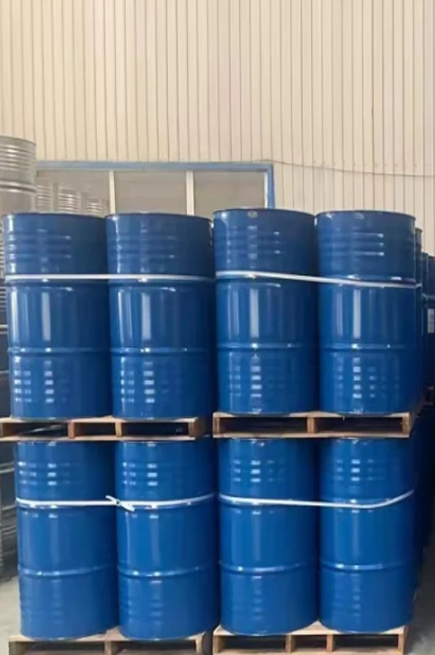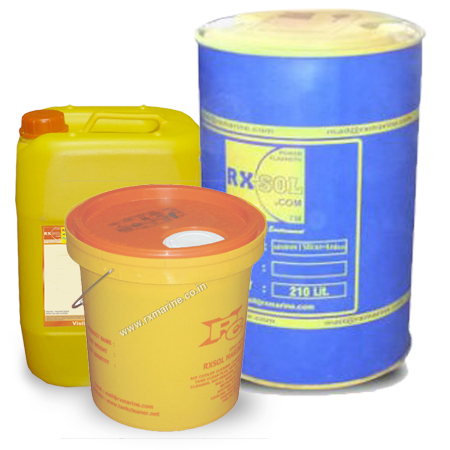
Sodium Lauryl Sulphate SLS

Excellent decontamination, Emulsification and Foaming property. With rich and longstanding foam.

SKU: RXSOL-12-1780-025 Category:

Description

Sodium Lauryl Sulfate is an Anionic detergent and surfactant found in many personal care products soaps, shampoos, toothpaste etc.. Very effective foaming agent. We are Manufacturing in INDIA and  exporting to global market, Our name is also known as best UAE supplier of sodium lauryl sulfate in all Middle East and OMAN country.







Product Details

Application

Application:
1. Compounded with LABSA in a proportion of 1:3, it is used as the detergent for heavy dirty to wash carpet, dishware and hard surface.
2. Widely used in shampoo, bubble bath, hand washing, and the lather agent of toothpaste, cream or powder shampoo.
3. In the other industries fields, it can be used as emulsifier, Fire retardant, auxiliary agent of textile, and plating additive, etc.

Dosage & Procedure

Detergent and surfactant manufacturers & Trader supplier in UAEChoose quality sodium lauryl sulfate with Competitive price available in INDIA OMAN and UAE ( Middle East, Gulf )

Sodium Lauryl Sulfate (SLS)
Other Name: Sodium Dodecyl Sulfate
INCI name: Sodium Lauryl Sulfate

Technical Specifications


Item

Specification

95%

92%

30%

Appearance 25`c

White to yellowish powder of needle

White to yellowish powder  to needle

Colorless to yellowish transparent liquid

Odor

Characteristic odor

Characteristic  odor

Characteristic  odor

Active matter, %

95.0 min

92.0 max

30+1

Petroleum ether soluble substance, %

1.5 max.

1.5 max.

1.5 max.

Sodium sulfate, %

3.0 max.

5.0 max.

1.0 max.

pH value (25`C , 1% Am.aq.sol)

7.5-9.5

7.5.9.5

7.5.9.5

Color, Hazen (5%Am.aq.sol)

10 max.

10 max.

10 max.

Water content,%

3.0 max.

5.0 max

      /


Notes & Precautions

Sodium Lauryl Sulfate 
Sulfuric acid monododecyl ester sodium salt.

Sodium monododecyl sulfate

Sodium Lauryl Sulfate is a mixture of sodium alkyl sulfates consisting chiefly of sodium lauryl sulfate [CH3(CH2)10CH2OSO3Na]. The combined content of sodium chloride and sodium sulfate is not more than 8.0 percent. It contains not less than 85.0% of sodium alkyl sulfates calculated as C12H25NaO4S.

Identification
A: Place 2.5 g in a silica or platinum crucible, and add 2 mL of 10 N sulfuric acid. Heat on a water bath, then cautiously raise the temperature progressively over an open flame. Ignite, preferably in a muffle furnace, at 600 ± 25 . Continue heating until all black particles have disappeared. Cool, add a few drops of 2 N sulfuric acid, and heat and ignite as above. Add a few drops of 2 M ammonium carbonate, evaporate to dryness, and ignite as above. Cool, dissolve the residue in 50 mL of water, and mix.

To a 2 mL portion of this solutionadd 4 mL of Potassium pyroantimonate solution. If necessary, rub the inside of the test tube with a glass rod. A white, crystalline precipitate is formed.

B: Prepare a solution (1 in 10) after acidification with hydrochloric acid and boiling for 20 minutes. No precipitate is formed. Add barium chloride solution; a white precipitate is produced.

C: Dissolve 0.1 g in 10 mL of water and shake. A copious foam is formed.

D: To 0.1 mL of the solution prepared for identification C, add 0.1 mL of a 1 g/L solution of methylene blue and 2 mL of dilute sulfuric acid. Add 2 mL of methylene chloride and shake. An intense blue color develops in the methylene chloride layer.

Alkalinity—Dissolve 1.0 g in 100 mL of water, add phenol red solution, and titrate with 0.10 N hydrochloric acid: not more than 0.5 mL is required for neutralisation.

Sodium chloride—Dissolve about 5 g, accurately weighed, in about 50 mL of water.

Neutralize the solution with dilute nitric acid, if necessary, add exactly 5.0 mL of 0.1 N Sodium Chloride and titrate with 0.1 N Silver Nitrate (indicator: 2 drops of fluorescein sodium solutionto the first appearance of turbidity. Perform a blank determination, and make any necessary correction. Each mL of 0.1 N Silver Nitrate = 5.844 mg of NaCl.

Sodium sulcate— Procedure—Transfer about 1 g of Sodium Lauryl Sulfate, accurately weighed, in 10 mL of water, add 100 mL of alcohol and heat at a temperature just below the boiling point for 2 hours. Filter through a glass filter while hot, and wash with 100 mL of boiling alcohol. Dissolve the precipitate by washing with 150 mL of water, collecting the washings in a beaker. Add 10 mL of dilute hydrochloric acid, heat to boiling, add 25 mL of barium chloride solution and allow to stand overnight. Collect the precipitate and wash with water until the last washing shows no opalescence with 0.1 N Silver Nitrate. Dry the precipitate, ignite to constant mass between 500 and 600 degrees by raising the temperature gradually, and weigh as barium sulfate (BaSO4233.39)

Amount (mg) of sodium sulfate (Na2SO4) = amount (mg) of barium sulfate (BaSO4) times 0.6086

Unsulfated alcohols—Dissolve about 10 g, accurately weighed, in 100 mL of water, and add 100 mL of alcohol. Transfer the solution to a separator, and extract with three 50-mL portions of Petroleum Ether. If an emulsion forms, sodium chloride may be added to promote separation of the two layers. Wash the combined Petroleum Ether extracts with three 50-mL portions of water, and dry with anhydrous sodium sulfate. Filter the Petroleum Ether extract into a tared beaker, evaporate on a water bath and dry the residue at 105o for 30 minutes, cool, and weigh. The weight of the residue is not more than 4.0% of the weight of the Sodium Lauryl Sulfate taken.

Assay—Dissolve 1.5 g of Sodium Lauryl Sulfate in water, warming if necessary, and dilute to exactly 1000.0 ml with water. To 10.0 ml of the solution add 25 mL Methylene blue solution (0.003 % w/v), 15 ml of methylene chloride and 20 mL of water. Titrate with 0.004 M benzethonium chloride, shaking vigorously and allowing the layers to separate before each addition, until almost the same blue color of the two layers is obtained.

1 ml of 0.004 M benzethonium chloride is equivalent to 1.154 mg of sodium alkyl sulphates, calculated as C12H25NaO4S.

REAGENTSPotassium pyroantimonate solution—To 2 g of potassium pyroantimonate add 100 mL of water. Boil the solution for about 5 minutes, cool quickly, and add 10 mL of a solution of potassium hydroxide (3 in 20). Allow to stand for 24 hours, and filter.

Barium Chloride solution—Dissolve 12 g of barium chloride in water to make 100 mL.

Dilute Sulfuric Acid—Cautiously add 57 mL of sulfuric acid to about 100 mL of water, cool to room temperature, and dilute with water to 1000 mL.

Phenol Red solution (Phenolsulfonphthalein TS)Dissolve 100 mg of phenolsulfonphthalein in 100 mL of alcohol, and filter if necessary.

Dilute Nitric Acid (10 percent HNO3) —Dilute 105 mL of nitric acid with water to 1000 mL.

Dilute Hydrochloric Acid (10 percent) —Prepare by mixing 226 mL of hydrochloric acid with sufficient water to make 1000 mL.

Fluorescein sodium solution—Dissolve 0.2 g of fluorescein sodium in water to make 100 mL 

Methylene blue solution—Dissolve 0.003g of methylene blue, 5.0g of anhydrous sodium sulfate and 1.2g of sulfuric acid in 100 mL of water. Anhydrous sodium sulfate is the emulsion breaker. 

Supply Locations

SLS, Sodium Dodecyl Sulfate SDS, Sodium Lauryl Sulfate SLS, Sodium Laurilsulfate manufacturer supplier in Muscat, Oman Sohar Barka, Fujairah, Dubai, Sharjah, Ajman, Abudhabi Gulf UAE, Mumbai, Kandla Gandhidham Surat, Kolkata West Bengal, Varanashi, Visakhapatnam Andhra Pradesh, Chennai Tamilnadu, Sudan, Yemen, Nairobi Kenya Africa

Safety Data (MSDS)

Product Name               Sodium Lauryl Sulphate SLS
Part Number   RXSOL-12-1780-230 

Company Details:

RX MARINE INTERNATIONAL
105, A wing , BSEL , TECH PARK.
VASHI ,NEW BOMBAY 400703 INDIA

Branch : Kandla, Mumbai , Chennai, Vizag, Kolkata, UAE , OMAN , CANADA and KENYA  

Phone +91 22 20871200 - 1400
Fax +91 22 27612100 :::AOH :0091 9821214367
Email mail@rxmarine.com
Website www.rxmraine.com

Substances Not applicable
Component Classification Concentration
WATER AR    
CAS-No.          7732-18-5
EC-No.            231-791-2
 
Not classified 66-69 %
SODIUM LAURYL SULPHATE     
CAS-No.           151-21-3
Flam. Sol. 1, H228
Acute Tox. 4 (Oral), H302
Acute Tox. 3 (Dermal),
H311
Skin Irrit. 2, H315
Eye Dam. 1, H318
STOT SE 3, H335
27-33%

For the full text of the H-Statements mentioned in this Section, see Section 16.

Classification according to Regulation (EC) No. 1272/2008 [CLP]
Skin corrosion/irritation,   H315
Category 2
Serious eye damage/eye   H318
irritation, Category 1
Adverse physicochemical, human health and environmental effects No additional information available

Label elements

Signal word (CLP) Danger
Hazard statements (CLP)
H315 - Causes skin irritation.
H318 - Causes serious eye damage
Precautionary statements (CLP)
P280 - Wear protective gloves/protective clothing/eye protection/face protection.
P305+P351+P338 - IF IN EYES: Rinse cautiously with water for several minutes.
Remove contact lenses, if present and easy to do. Continue rinsing.
Other hazards No additional information available

First-aid measures after inhalation Remove person to fresh air and keep comfortable for breathing. If you feel unwell, seek medical advice.
First-aid measures after skin contact Wash skin with plenty of water. If skin irritation occurs: Get medical advice/attention.
First-aid measures after eye contact Remove contact lenses, if present and easy to do. Continue rinsing. If eye irritation persists: Get medical advice/attention.
First-aid measures after ingestion Rinse mouth out with water. If you feel unwell, seek medical advice.

Most important symptoms and effects, both acute and delayed

Symptoms/effects after skin contact Causes skin irritation
Symptoms/effects after eye contact Causes serious eye damage.
Indication of any immediate medical attention and special treatment neededmeasures after eye contact Treat symptomatically.

Suitable extinguishing media Dry chemical powder, alcohol-resistant foam, carbon dioxide (CO2).
Unsuitable extinguishing media Do not use a heavy water stream.
Special hazards arising from the substance or mixture
No additional information available
Advice for firefighters  
Protection during firefighting Do not attempt to take action without suitable protective equipment.

Personal precautions, protective equipment and emergency procedures

For non-emergency personnel
 
Emergency procedures Avoid contact with skin, eyes and clothing.
For emergency responders  
Protective equipment Use personal protective equipment as required.
Environmental precautions Avoid release to the environment.
Methods and material for containment and cleaning up  
Methods for cleaning up Clean contaminated surfaces with an excess of water.
Reference to other sections No additional information available

Precautions for safe handling Avoid contact with skin and eyes.
Hygiene measures Wash hands and other exposed areas with mild soap and water before eating, drinking or smoking and when leaving work.
Conditions for safe storage, including any incompatibilities
 
Storage conditions
Store in a well-ventilated place. Keep container tightly closed.
Specific end use(s) No additional information available

Control parameters No additional information available
Exposure controls
 
Hand protection Protective gloves
Eye protection Chemical goggles or safety glasses
Skin and body protection Wear suitable protective clothing
Respiratory protection Approved supplied air respirator

Physical state Liquid
Color Clear Colorless.
Odor No data availalbe
Odour threshold No data available
pH No data available
Relative evaporation rate (butylacetate=1) No data available
Melting point No data available
Freezing point  No data available
Boiling point No data available
Flash point No data available
Auto-ignition temperature No data available
Decomposition temperature
No data available
Flammability (solid, gas) No data available
Vapour pressure No data available
Relative vapour density at 20 °C No data available
Relative density No data available
Solubility No data available
Log Pow No data available
Viscosity, kinematic No data available
Viscosity, dynamic No data available
Explosive properties No data available
Oxidising properties No data available
Explosive limits No data available
Other information No additional information available

Reactivity        
No additional information available
Chemical stability Stable under normal conditions.
Possibility of hazardous reactions No additional information available
Conditions to avoid Direct sunlight
Incompatible materials No additional information available
Hazardous decomposition products No additional information available

Acute toxicity
Not classified
Skin corrosion/irritation Causes skin irritation.
Serious eye damage/irritation Causes serious eye damage.
Respiratory or skin sensitization Not classified
Germ cell mutagenicity Not classified
Carcinogenicity Not classified
Reproductive toxicity  Not classified
STOT-single exposure Not classified
STOT-repeated exposure Not classified
Aspiration hazard Not classified
Toxicity No additional information available
Persistence and degradability No additional information available
Mobility in soil No additional information available
Results of PBT and vPvB assessment No additional information available
Other adverse effects No additional information available

Waste Treatment Methods No additional information available

In accordance with ADR / RID / IMDG / IATA / ADN

UN number  
UN-No. (ADR) Not applicable
UN-No. (IMDG) Not applicable
UN-No. (IATA) Not applicable
UN-No. (ADN) Not applicable
UN-No. (RID) Not applicable
UN proper shipping name
 
Proper Shipping Name (ADR) Not applicable
Proper Shipping Name (IMDG) Not applicable
Proper Shipping Name (IATA) Not applicable
Proper Shipping Name (ADN) Not applicable
Proper Shipping Name (RID) Not applicable
Transport hazard class(es)  
Transport hazard class(es) (ADR) Not applicable
Transport hazard class(es) (IMDG) Not applicable
Transport hazard class(es) (IATA) Not applicable
Transport hazard class(es) (ADN) Not applicable
Transport hazard class(es) (RID) Not applicable
Packing group  
Packing group (ADR)  Not applicable
Packing group (IMDG)  Not applicable
Packing group (IATA)  Not applicable
Packing group (ADN)  Not applicable
Packing group (RID)  Not applicable
Environmental hazards  
Dangerous for the environment No
Marine pollutant No
Other information No supplementary information available
Special precautions for user  
- Overland transport Not applicable
- Transport by sea Not applicable
- Air transport Not applicable
- Inland waterway transport Not applicable
- Rail transport Not applicable
Transport in bulk according to Annex II of MARPOL 73/78 and the IBC Code Not applicable

Safety, health and environmental regulations/legislation specific for the substance or mixture

EU-Regulations
Contains no REACH substances with Annex XVII restrictions
Contains no substance on the REACH candidate list
Contains no REACH Annex XIV substances
National regulations  
Germany  
Reference to AwSV Water hazard class (WGK) 3, Highly hazardous to water (Classification according to AwSV, Annex 1)
12th Ordinance Implementing the Federal
Immission Control Act - 12.BImSchV
Is not subject of the 12. BlmSchV (Hazardous Incident Ordinance)
Netherlands  
SZW-lijst van kankerverwekkende stoffen  None of the components are listed
SZW-lijst van mutagene stoffen None of the components are listed
NIET-limitatieve lijst van voor de
voot planting gifting stoffen – Borstvoeding
None of the components are listed
NIET-limitatieve lijst van voor de
voortplanting giftige stoffen –
Vruchtbaarheid
None of the components are listed
NIET-limitatieve lijst van voor de
voortplanting giftige stoffen – Ontwikkeling
None of the components are listed
Denmark  
Recommendations Danish Regulation Young people below the age of 18 years are not allowed to use the product Pregnant/breastfeeding women working with the product must not be in direct contact with the product
Chemical safety assessment No additional information available
 
Other Information

The information above is believed to be accurate and represents the  best information   currently    available  to us.  However,   we   make no warranty of merchantability or any other warranty, express or implied, with respect to such information, and  weassume  no liability resulting from its use. Users should make  their  own  investigations  to determine the suitability of the information for their particular purposes. In no event shall be liable for any claims, losses, or damages of any third party or for lost profits or any special, indirect, incidental, consequential or exemplary damages, howsoever arising, even if Rx Marine International  has been advised of the possibility of such damages.

DISCLAIMER OF LIABILITY :The information in this SDS was obtained from sources which we believe are reliable. However, the information is provided without any warranty, express or implied, regarding its correctness. The conditions or methods of handling, storage, use or disposal of the product are beyond our control and may be beyond our knowledge. For this and other reasons, we do not assume responsibility and expressly disclaim liability for loss, damage or expense arising out of or in any way connected with the handling, storage, use or disposal of the product. This MSDS was prepared and is to be used only for this product. If the product is used as a component in another product, this MSDS information may not be applicable.

top