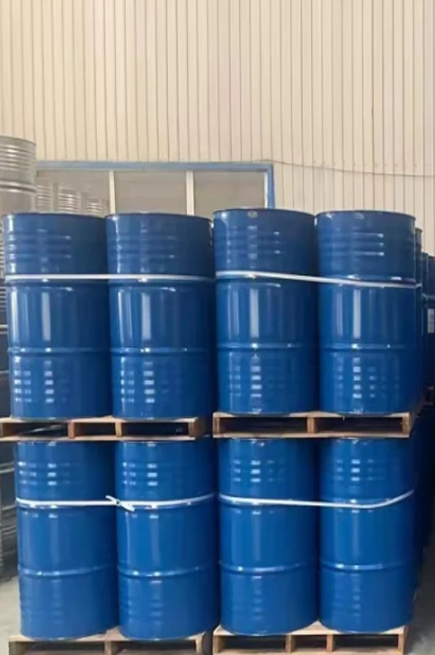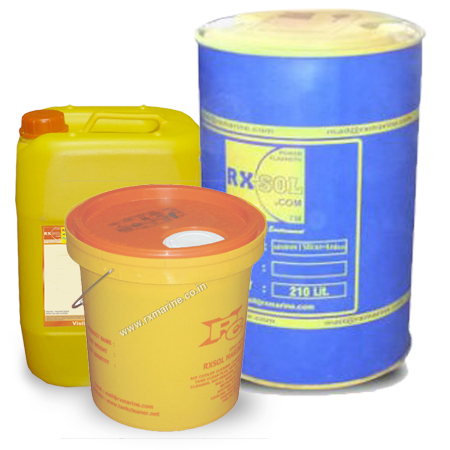
Oxygen Scavenger Carbohydrazide

Powerful concentrated corrosion inhibitor acts as oxygen scavengers used to effectively remove dissolved OXYGEN

SKU: RXSOL-32-2541-025 Category:

Description

Carbohydrazide in BOILER means no oxygen is entering the boiler  Carbohydrazide will help to Decrease oxygen on HP, LP boiler. Carbohydrazid also called Carbodihydrazide, is a high performance oxygen scavenger which can be used in all types of boilers. Carbohydrazide is a white, water-soluble solid that decomposes upon melting point around 153°C.







Product Details

Application

Carbohydrazide can be used as oxygen scrubber as direct replacement for Hydrazine in any boiler without the associated safety hazards and handling precautions. The product is based on volatile chemistry and so leaves no dissolved solids and minimal ammonia to the boiler system. 

Dosage & Procedure

Carbohydrazide does provide outstanding protection from oxygen corrosion together with excellent feed water and boiler system passivation. Carbohydrazide reacts directly with oxygen. It helps prevent oxygen damage and continues to passivate metal surfaces during wet lay-up. Carbohydrazide can also be used as a curing agent for epoxide-type resins.

Technical Specifications

Physical properties ::: 
Carbohydrazide the Hydrazide of carbonic acid

Molecular formula: OC(N₂H₃)₂
CAS No.:  
Molecular weight: 90.09
Description: White Solid
odor: Characteristic Smell
Density: 1.34 (25/4°C)
   
Solubility: Soluble in Water, Ethanol
vapor density: 1.04 (air = 1)
vapor pressure: 14.4 mm Hg at 25°C
 

Notes & Precautions

BENEFITS -

RAPID REACTION :

The catalyst RXSOL-81-6119-220 speeds up the removal of dissolved oxygen. Oxygen can be removed completely even from cold water due to catalytic action. Normal reaction time is as low as 15 to 20 seconds as against 10 to 30 minutes for uncatalysed sulphite.

EASY TO HANDLE :

RXSOL-81-6119-220 is a free flowing powder. It is soluble in water even at lower feed water temperature.It is non-toxic and non-corrosive and, therefore, can be handled easily.

pH CONTROL :

RXSOL-81-6119-220 is formulated to get proper pH control for optimum availability of catalyst for rapid oxygen removal.

COST EFFECTIVE :

The catalytic action reduces the excessive requirement of sulphite in feed water for the rapid removal of oxygen. Thus the quantity required is lower, making RXSOL-81-6119-220 treatment cost effective.

APPLICATION AND DOSAGE :

RXSOL-81-6119-220 solution should be dosed continuously. Dissolve the required quantity of RXSOL-81-6119-220 gently in boiler feed water in a separate tank. Dose this solution continuously in the boiler feed water line after the deaerator.

Above 8 ppm of sodium sulphite is required for the removal of 1 ppm of dissolved oxygen from boiler
feed water. About 10% to 20% of excess sulphite should be dosed to provide oxygen consuming reserve.

The table below gives the approximate dosage.

Feed Water Temperature RXSOL-81-6119-220 dosage in gms per ton ofsteam generation

More than 80oC
15
60 to 80oC 30
40 to 60oC 60
Less than 40oC 100

The rmax will provide technical assistance in arriving at optimum dosages for your operating conditions and requirements and in selecting a suitable dosing system for your plant

Areas of Use

Carbohydrazide also Widely used in medicine, herbicides, plant growth regulators, dyes and other industries. RXSOL is Top chemicals manufacturer and exporter of Various Water Treatment Chemicals and Agriculture Chemicals, Marine and Oil Field Chemicals, Tank Cleaner.


Carbohydrazide supplier in Mumbai, Kolkata, Gandhidham, Chennai, Visakhapatnam, Fujairah, Dubai, Abudhabi Sharjah Muscat Oman, Canada. Carbohydrazide plays very important role for corrosion protection in boilers water treatment. 
 

Chemical formula OC(N2H3)2


Molecular Formula: CH6N4O

Valuable Boiler Water Treatment Chemicals :

Hydrazine Hydrate (50 ~ 51% as N2H4) plays very important role
for corrosion protection in boilers.

Activated Hydrazine (34 ~ 35% as N2H4) Catalyzed Hydrazine solution for corrosion Protection and related equipment.

Morpholine (C4H9NO). Technical Grade for Boiler Water Treatment. Purity Not less than 99%.


Acid Inhibitor : For the suppression of Hydrochloric Acid attack on Ferrous alloys, Cuprous alloys and Titanium alloys, effec up to 94°C with efficiency not less than 75% in 5% HCI solution and Acid Inhibitor concentration 2%.


Ammonia 25% (NH4OH).
25% as ammonium Hydroxide used high pressure Boiler water treatment.
It is a clear colorless liquid.
PH 11-12 @ 20 °C.
Density 0.9 g/cm3.
Chloride (CL) 0.002 mg/liter maximum.
Iron (Fe) 0.002 mg/liter maximum.


Hardness Stabilizer :
Polyacrylate material of low molecular weight.
Non-volatile used for scale inhibition in sea water treatment.
The product is miscible with water in all proportions. And is clear Liquid.
PH valve 5-7.
Density @ 20°C Approx. 40%.
Chemical Characterization Sodium Polyacrylate, Modified, Aqueous solution.
Solidification temperature -20°C.
Flash point >100°C.
Ignition temperature >200°C.

RXSOL other valuable Water Tretment Chemicals :

Defoamer for ETP

Water Treatment Chemicals
Liquid Water Treatment Chemical
Chiller Micro Biocide
Dispersant Alkalinity Chemical
Chiller Water Treatment Chemical
BOD COD Reduction Chemical
Swimming Pool Water Treatment Chemical
Water Softener Salt
Salt Tablets
PH Booster Chemical
Sewage Treatment Chemical
Effluent Treatment Chemical
Cooling Water Chemicals
Flocculants Chemical
Phosphonates Acid
Liquid Water Treatment Chemical
Chiller Micro Biocide
Dispersant Alkalinity Chemical
Chiller Water Treatment Chemical
BOD COD Reduction Chemical
Swimming Pool Water Treatment Chemical
Water Softener Salt
Salt Tablets
PH Booster Chemical
Sewage Treatment Chemical
Effluent Treatment Chemical
Cooling Water Chemicals
Flocculants Chemical
Phosphonates Acid

Industry Applications

Why Hydrazine is replace by Carbohydrazide ?
Carbohydrazide (CH6N4O) - RXSOL-42-2541-025 is an oxygen scavenger often added to boiler systems to control corrosion. It reacts with oxygen at low temperatures and pressures. It also passivates metal surfaces preventing further corrosion. The reaction products are volatile, so they do not contribute to dissolved solids in the system. Carbohydrazide is widely used to replace hydrazine as an oxygen scavenger because it is less toxic.

Safety Data (MSDS)

Porduct Name               Oxygen Scavenger
Part Number   RXSOL-32-2541-025

Company Details:....

RX MARINE INTERNATIONAL
105, A wing , BSEL , TECH PARK.
VASHI ,NEW BOMBAY 400703 INDIA

Branch : Kandla, Mumbai , Chennai, Vizag, Kolkata, UAE , OMAN , CANADA and KENYA  

Phone +91 22 20871200 - 1400
Fax +91 22 27612100 :::AOH :0091 9821214367
Email mail@rxmarine.com
Website www.rxmraine.com

Substances

Formula CH6N4O     
Molecular weight          90,08 g/mol
CAS-No.    
Index-No. CAS-No.             
EC-No.
Index-No. 
497-18-7
EC-No. 207-837-2
Component Classification      Concentration                            
1,3-diaminourea    
CAS-No.               497-18-7
EC-No                  207-837-2
      
Index-No. CAS-No.             
EC-No.
Index-No. 
Acute Tox. 4; Skin Irrit. 2;
Skin Sens. 1; Aquatic
Chronic 2; H302, H315,
H317, H411
<= 100 %

For the full text of the H-Statements mentioned in this Section, see Section 16.

Classification of the substance or mixture

Classification according to Regulation (EC) No 1272/2008
Acute toxicity, Oral (Category 4), H302
Skin irritation (Category 2), H315
Skin sensitization (Category 1), H317
Long-term (chronic) aquatic hazard (Category 2), H411
For the full text of the H-Statements mentioned in this Section, see Section 16.

Label elements

Hazard Statements  
H302  Harmful if swallowed.
H315 Causes skin irritation.
H317 May cause an allergic skin reaction.
H411 Toxic to aquatic life with long lasting effects.
Precautionary Statements  
P273 Avoid release to the environment.
P280 Wear protective gloves
P301 + P312 + P330 IF SWALLOWED: Call a POISON CENTER/ doctor if you feel unwell. Rinse mouth.
P302 + P352  IF ON SKIN: Wash with plenty of water.
Supplemental Hazard Statements None
Other hazards This substance/mixture contains no components considered to be either persistent, bioaccumulative and toxic (PBT), or very persistent and very bioaccumulative (vPvB) at levels of 0.1% or higher.

Description of first aid measures

General advice Consult a physician. Show this material safety data sheet to the doctor in attendance.
If inhaled If breathed in, move person into fresh air. If not breathing, give artificial respiration. Consult a physician.
In case of skin contact Wash off with soap and plenty of water. Consult a physician.
In case of eye contact Flush eyes with water as a precaution.
If swallowed Never give anything by mouth to an unconscious person. Rinse mouth with water. Consult a physician.
Most important symptoms and effects, both acute and delayed The most important known symptoms and effects are described in the labelling (see section 2.2) and/or in section 11
Indication of any immediate medical attention and special treatment needed No data available

Extinguishing media

Suitable extinguishing media                                             Use water spray, alcohol-resistant foam, dry chemical or carbon dioxide.
Special hazards arising from the substance or mixture
Highly flammable liquid and vapor. Runoff to sewer may create fire or explosion hazard.
In a fire or if heated, a pressure increase will occur and the container may burst, with the
risk of a subsequent explosion. The vapor/gas is heavier than air and will spread along
the ground. Vapors may accumulate in low or confined areas or travel a considerable
distance to a source of ignition and flash back.
Highly flammable liquid and vapor. Runoff to sewer may create fire or explosion hazard.
In a fire or if heated, a pressure increase will occur and the container may burst, with the
risk of a subsequent explosion. The vapor/gas is heavier than air and will spread along
the ground. Vapors may accumulate in low or confined areas or travel a considerable
distance to a source of ignition and flash back.
Highly flammable liquid and vapor. Runoff to sewer may create fire or explosion hazard.
In a fire or if heated, a pressure increase will occur and the container may burst, with the
risk of a subsequent explosion. The vapor/gas is heavier than air and will spread along
the ground. Vapors may accumulate in low or confined areas or travel a considerable
distance to a source of ignition and flash back.
Carbon oxides
Nitrogen oxides (NOx)
Advice for firefighters

Wear self-contained breathing apparatus for firefighting if necessary.

Further information
No data available
spray to keep fire-exposed containers cool.Promptly isolate the scene by removing all persons from the vicinity of the incident if
there is a fire. No action shall be taken involving any personal risk or without suitable
training. Move containers from fire area if this can be done without risk. Use water
spray to keep fire-exposed containers cool.

Personal precautions, protective equipment and emergency procedures Advice for non-emergency personnel: Avoid inhalation of dusts. Avoid substance contact. Ensure adequate ventilation. Evacuate the danger area, observe emergency procedures, consult an expert. For personal protection see section 8.
Environmental precautions Prevent further leakage or spillage if safe to do so. Do not let product enter drains. Discharge into the environment must be avoided.
Methods and materials for containment and cleaning up Pick up and arrange disposal without creating dust. Sweep up and shovel. Keep in suitable, closed containers for disposal.
Reference to other sections For disposal see section 13.

Precautions for safe handling

Advice on safe handling  Avoid contact with skin and eyes. Avoid formation of dust and aerosols.
Advice on protection against fire and explosion Provide appropriate exhaust ventilation at places where dust is formed
Hygiene measures Handle in accordance with good industrial hygiene and safety practice. Wash hands before breaks and at the end of workday. For precautions see section 2.2.

Conditions for safe storage, including any incompatibilities


Storage conditions Keep container tightly closed in a dry and well-ventilated place. Store in cool place.
Storage class

Storage class (TRGS 510): 11: Combustible Solids

Specific end use(s) Apart from the uses mentioned in section 1.2 no other specific uses are stipulated

 Control parameters 

Ingredients with workplace control parameters

Exposure controls

Personal protective equipment

Eye/face protection Use equipment for eye protection tested and approved under appropriate government standards such as NIOSH (US) or EN 166(EU). Tightly fitting safety goggles
Skin protection
This recommendation applies only to the product stated in the safety data sheet,
supplied by us and for the designated use. When dissolving in or mixing with other
substances and under conditions deviating from those stated in EN 16523-1 please
contact the supplier of CE-approved gloves (e.g. KCL GmbH, D-36124 Eichenzell,
Internet: www.kcl.de).
Full contact
Material: Chloroprene
Minimum layer thickness: 0,65 mm
Break through time: 480 min
Material tested:KCL 720 Camapren®
 
This recommendation applies only to the product stated in the safety data sheet,
supplied by us and for the designated use. When dissolving in or mixing with other
substances and under conditions deviating from those stated in EN 16523-1 please
contact the supplier of CE-approved gloves (e.g. KCL GmbH, D-36124 Eichenzell,
Internet: www.kcl.de).
Splash contact
Material: Latex gloves
Minimum layer thickness: 0,6 mm
Break through time: 60 min
Material tested:Lapren® (KCL 706 / Aldrich Z677558, Size M).
Body Protection Flame retardant antistatic protective clothing.
Respiratory protection
Recommended Filter type: Filter A-(P3)
 
The entrepeneur has to ensure that maintenance, cleaning and testing of respiratory
protective devices are carried out according to the instructions of the producer.
These measures have to be properly documented.
Control of environmental exposure Do not let product enter drains.

Physical state Crystalline
Colour White
Odor Odorless
Melting point/freezing point Melting point/freezing point: -26 °C
Initial boiling point and boiling range 154 °C - lit.
Flammability (solid, gas) No data available
Upper/lower flammability or explosive limits Lower explosion limit: 1,5 %(V)
Flash point 86 °C - closed cup - DIN 51758
Autoignition temperature 559 °C at 1.013 hPa
Decomposition temperature No data available
pH
No data available
materials.Extremely flammable in the presence of the following materials or conditions: oxidizing
materials.
Viscosity

 Viscosity, kinematic: No data available

Viscosity, dynamic: No data available
Water solubility ca.21,5 g/l at 25 °C - completely soluble
Partition coefficient: n-octanol/water log Pow: 1,94 - Bioaccumulation is not expected.
Vapor pressure 0,147 hPa at 25 °C                                        
Density 1,034 g/mL at 25 °C - lit.
Relative density 1,03 at 20 °C
Relative vapor density No data available
Particle characteristics No data available
Explosive properties No data available
Oxidizing properties None
Other safety information Dissociation constant 10,26 at 25 °C

Reactivity                        No data available
Chemical stability Stable under recommended storage conditions.
Possibility of hazardous reactions No data available
Conditions to avoid No data available
Incompatible materials
Strong oxidizing agents, Strong acids, Copper, Zinc, Nickel, Lead, Brass
Hazardous decomposition products In the event of fire: see section 5

Information on toxicological effects

Acute toxicity 
LD50 Oral - Rat - female - 311 mg/kg
Acute toxicity estimate Oral - 311 mg/kg
(Calculation method)
Inhalation: No data available
Dermal: No data available               
Skin corrosion/irritation Remarks: No data available
Serious eye damage/eye irritation No data available
Respiratory or skin sensitization No data available
Germ cell mutagenicity
Result: negative
Remarks: Histidine reversion (Ames)
Carcinogenicity
No data available
Reproductive toxicity No data available
Specific target organ toxicity - single exposure No data available
Specific target organ toxicity - repeated exposure No data available
Aspiration hazard No data available
Additional Information
RTECS: FF2625000
To the best of our knowledge, the chemical, physical, and toxicological properties have not
been thoroughly investigated.

Persistence and degradability No data available
Toxicity to fish  Static test LC50 - Oncorhynchus mykiss (rainbow trout) - 75 mg/l - 96 h (OECD Test Guideline 203)
Toxicity to daphnia and other aquatic invertebrates Static test EC50 - Daphnia magna (Water flea) - 42,81 mg/l - 48 h (OECD Test Guideline 202) Remarks: (in analogy to similar products) The value is given in analogy to the following substances: maleic acid
Toxicity Toxicity to fish LC50 - Pimephales promelas (fathead minnow) - 1.520 mg/l - 96 h
Toxicity to bacteria  EC10 - Bacteria - 14 mg/l - 72 h Remarks: (Lit.) EC5 - E.coli - 15.000 mg/l Remarks: (Lit.) (maximum permissible toxic concentration)
Toxicity to algae Static test ErC50 - Pseudokirchneriella subcapitata (green algae) - 74,35 mg/l - 72 h (OECD Test Guideline 201) Remarks: (in analogy to similar products) The value is given in analogy to the following substances: maleic acid
Products Biodegradation The methods for determining the biological degradability are not applicable to inorganic substances.
Mobility in soil No data available
Results of PBT and vPvB assessment This substance/mixture contains no components considered to be either persistent, bioaccumulative and toxic (PBT), or very persistent and very bioaccumulative (vPvB) at levels of 0.1% or higher.
Endocrine disrupting       properties No data available
Other adverse effects No data available .

Product Offer surplus and non-recyclable solutions to a licensed disposal company. Waste material must be disposed of in accordance with the Directive on waste 2008/98/EC as well as other national and local regulations. Leave chemicals in original containers. No mixing with other waste. Handle uncleaned containers like the product itself.
Contaminated packaging Dispose of as unused product.
Waste treatment      Method See www.retrologistik.com for processes regarding the return of chemicals and containers, or contact us there if you have further questions.

UN number ADR/RID:2404                 IMDG:2404             IATA: 2404
UN proper shipping name  ADR/RID:PROPIONITRILE    IMDG:PROPIONITRILE IATA:PROPIONITRILE 
Transport hazard class(es)      ADR/RID: 3 (6.1)               IMDG: 3 (6.1)               IATA:3 (6.1) 
Packaging group ADR/RID: II                 IMDG:     II      IATA:II
Environmental hazards ADR/RID: No                     IMDG: No                IATA: No
Special precautions for user No data available
Further information Not classified as dangerous in the meaning of transport regulations.

Safety, health and environmental regulations/legislation specific for the substance or mixture This material safety data sheet complies with the requirements of Regulation (EC) No. 1907/2006.
Other regulations Observe work restrictions regarding maternity protection in accordance to Dir 92/85/EEC or stricter national regulations where applicable. Take note of Dir 94/33/EC on the protection of young people at work.
Chemical Safety Assessment For this product a chemical safety assessment was not carried out

Other Information

The information above is believed to be accurate and represents the  best information   currently    available  to us.  However,   we   make no warranty of merchantability or any other warranty, express or implied, with respect to such information, and  weassume  no liability resulting from its use. Users should make  their  own  investigations  to determine the suitability of the information for their particular purposes. In no event shall be liable for any claims, losses, or damages of any third party or for lost profits or any special, indirect, incidental, consequential or exemplary damages, howsoever arising, even if Rx Marine International  has been advised of the possibility of such damages.

DISCLAIMER OF LIABILITY :The information in this SDS was obtained from sources which we believe are reliable. However, the information is provided without any warranty, express or implied, regarding its correctness. The conditions or methods of handling, storage, use or disposal of the product are beyond our control and may be beyond our knowledge. For this and other reasons, we do not assume responsibility and expressly disclaim liability for loss, damage or expense arising out of or in any way connected with the handling, storage, use or disposal of the product. This MSDS was prepared and is to be used only for this product. If the product is used as a component in another product, this MSDS information may not be applicable.

top