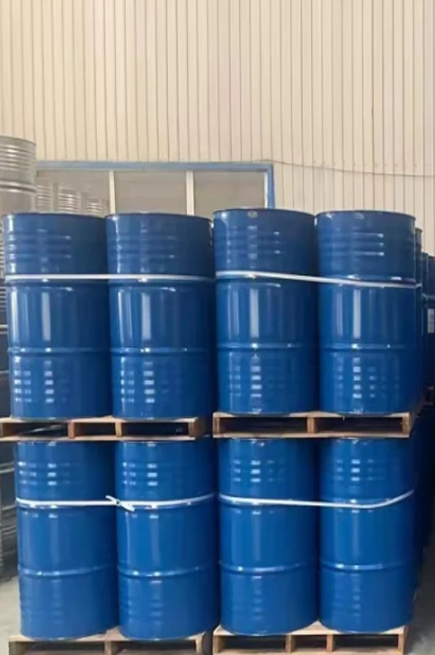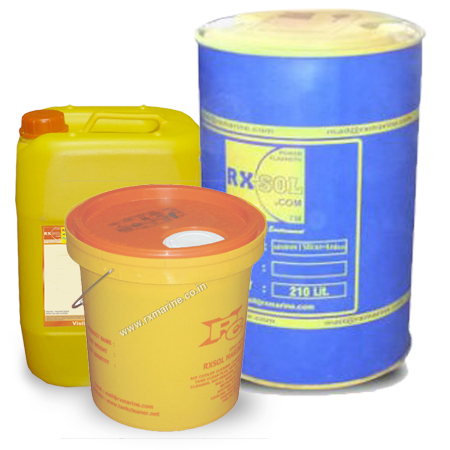
Hydrofluoric Acid

Hydrofluoric Acid 70%

SKU: RXSOL-19-1322-025 Category:

Description

Hydrofluoric acid is a solution of hydrogen fluoride in water. It is a colorless fuming liquid which can cause painful burns. Hf is one of the strongest inorganic acids, is used mainly for industrial purposes (eg, glass etching, metal cleaning, electronics manufacturing). Hydrofluoric acid also may be found in home rust removers.







Product Details

Application

CAS NUMBER  7664-39-3

ITEM

:

 Hydrofluoric acid 70%

Molecular Weight

:

20.01   ( 1.23 g / cm3 )

Composition

:

H 5.04 %  F 94.96%

DATE OF SUPPLY

:

21.5.2011.

SPECIFICATION OF PRODUCT


GRADE CP , TECHNICAL

:

70  %

MINIMUM ASSAY

:

48.0 %

IDENTITY

:

BY IR Spectrum

APPEARANCE

:

A CLEAR LIQUID WITH AN ACRID VAPOUR .

CARBONISABLE SUBSTANCES

:

PASSES THE TEST

COLOUR, MAX

:

10 HU

NON VOLATILE MATTER

:

0.0005%

CHLORIDE CONTENT, PPM, MAX

:

0.0001 ppm

ORGANIC IMPURITIES

:

Passes test

SULPHUR TOTAL AS SULPHATES, PPM, MAX

:

0.002 ppm

PHASE

:

LIQUID

Also  complies with BS 6376 : PART 2 : 1984 ( ISO 6353 /2-1983 )

HAZARD : Toxic by inhalation , corrosive to skin and mucous membranes .

TLV : Ceiling  3  ppm.

Generic / Chemical Name

Hydro Fluoric Acid

Supply Locations

Hydrofluoric Acid Supplier in Oman Muscat, UAE Fujairah, Sharjah, Dubai, Abudhabi, Ajman, Mumbai, Chennai, Kolkata, Kandla, Visakhapatnam, Canada, Kenya Uganda

Safety Data (MSDS)

Porduct Name               Hydrofluoric Acid 
Part Number   RXSOL-19-1322-025

Company Details:

RX MARINE INTERNATIONAL
105, A wing , BSEL , TECH PARK.
VASHI ,NEW BOMBAY 400703 INDIA

Branch : Kandla, Mumbai , Chennai, Vizag, Kolkata, UAE , OMAN , CANADA and KENYA  

Phone +91 22 20871200 - 1400
Fax +91 22 27612100 :::AOH :0091 9821214367
Email mail@rxmarine.com
Website www.rxmraine.com

Product name       Cas No                        EC No              Weight                         Formula                   
Hydrofluoric acid       7664-39-3 231-634-8 >= 30 - < 50 % HF
Signal Word  Danger
Hazard Statements H300 + H310 + H330 Fatal if swallowed, in contact with skin or if inhaled. H314 Causes severe skin burns and eye damage.
Precautionary statements   P260 Do not breathe dust/ fume/ gas/ mist/ vapors/ spray. P270 Do not eat, drink or smoke when using this product. P280 Wear protective gloves/ protective clothing/ eye protection/ face protection/ hearing protection. P303 + P361 + P353 IF ON SKIN (or hair): Take off immediately all contaminated clothing. Rinse skin with water. P304 + P340 + P310 IF INHALED: Remove person to fresh air and keep comfortable for breathing. Immediately call a POISON CENTER/ doctor. P305 + P351 + P338 IF IN EYES: Rinse cautiously with water for several minutes. Remove contact lenses, if present and easy to do. Continue rinsing. 
Classification of  the substance    or  mixture No data available
Supplemental Hazard    Statements No data available
Other hazards  This substance/mixture contains no components considered to be either persistent, bioaccumulative and toxic (PBT), or very persistent and very bioaccumulative (vPvB) at levels of 0.1% or higher.

General advice Countermeasurements must be implemented at once. First aiders need to protect themselves. Show this material safety data sheet to the doctor in attendance.
If inhaled After inhalation fresh air. Immediately call in physician. Keep respiratory tract clear. If breathing stops immediately apply artificial respiration, if necessary also oxygen.
Eye Contact  After contact with eyes: Rinse with plenty of water keeping eyelids open, protecting the unaffected eye (at least 10 minutes). Seek medical advice immediately! Remove contact lenses
Swallowed After swallowing Immediately give to drink plenty of water, add calcium (in the form of calcium gluconate or calcium lactate). Caution: In the case of vomiting risk of perforation! Administer more calcium gluconate solution. Laxative: Sodium sulfate (1 tablespoon/1/4 l water). Seek medical advice immediately. Ensure that injured persons remain calm and protect them against heat loss.
Skin Contact   After contact with skin Rinse with plenty of water for at least 10 minutes. Immediately remove contaminated clothes. Apply calcium gluconate gel (preparation: boil 5 g of calcium gluconate in 85 ml of hot distilled water, add 10 g glycerol. Allow 5 g of Carmellose-sodium to swell in the hot solution. Stable for 6 months, store in a cool place) and massage into the skin until the pain subsides, in between rinse with water and apply fresh gel. Continue gel therapy for another 15 minutes after the pain has subsided. If no calcium gluconate gel is available, apply several dressings thoroughly moistened with 20 % calcium gluconate solution. Medical advice absolutely required!
Inhalation No data available
Ingestion No data available
Most important    symptoms and effects,  both acute and delaye  The most important known symptoms and effects are described in the labelling (see section 2.2) and/or in section 11
Indication of any immediate medical        attention and special treatment needed  Note for the doctor It is recommended to consult a doctor with experience in the treatment of lesions caused by hydrofluoric acid. If a systemic effect is suspected, monitoring and treatment in an intensive care unit is urgently required. Caution, ventricular fibrillation due to electrolyte imbalance

Flammability                                                  No data available
Suitable extinguishing media  Use extinguishing measures that are appropriate to local circumstances and the surrounding environment. 
Unsuitable extinguishing media For this substance/mixture no limitations of extinguishing agents are given. 
Special hazards arising from the substance or mixture  Not combustible. Fire may cause evolution of: Hydrogen fluoride Ambient fire may liberate hazardous vapours.
Further information Suppress (knock down) gases/vapors/mists with a water spray jet. Prevent fire extinguishing water from contaminating surface water or the ground water system.
Hazardous combustion
products
No data available
Advice for firefighters Stay in danger area only with self-contained breathing apparatus. Prevent skin contact by keeping a safe distance or by wearing suitable protective clothing.
Protective Equipment No data available
Specific Hazards Arising from the Chemical No data available

Personal precautions, protective equipment and emergency procedures Advice for non-emergency personnel: Do not breathe vapors, aerosols. Avoid substance contact. Ensure adequate ventilation. Evacuate the danger area, observe emergency procedures, consult an expert. For personal protection see section 8
Spillage No data available
Personal Protection No data available
Enviromental Precaution Do not let product enter drains. Risk of explosion.
Methods and materials for
containment and cleaning
Cover drains. Collect, bind, and pump off spills. Observe possible material restrictions (see sections 7 and 10). Take up with liquid-absorbent and neutralising material (e.g. Chemizorb® HF, Merck Art. No. 101591). Dispose of properly. Clean up affected area.
Reference to other sections    For disposal see section 13.

Advice on protection against    fire and   explosion No data available
Incompatible materials  No data available
Hygiene measures Immediately change contaminated clothing. Apply preventive skin protection. Wash hands and face after working with substance. For precautions see section 2.2
Advice on safe handling  Work under hood. Do not inhale substance/mixture. Avoid generation of vapours/aerosols.
Conditions for safe storage including any  incompatibilities 

No data available

Storage conditions Tightly closed. Keep in a well-ventilated place. Keep locked up or in an area accessible only to qualified or authorized persons. Recommended storage temperature see product label.
Storage class No data available
Specific end use(s) Apart from the uses mentioned in section 1.2 no other specific uses are stipulated
Advice on general  occupational  hygiene No data available

Exposure controls  Personal protective equipment 
Engineering Control No data available
Eye/face protection Use equipment for eye protection tested and approved under appropriate government standards such as NIOSH (US) or EN 166(EU). Safety glasses
Body Protection Protective clothing, Rubber or plastic boots
Skin protection This recommendation applies only to the product stated in the safety data sheet, supplied by us and for the designated use. When dissolving in or mixing with other substances and under conditions deviating from those stated in EN 16523-1 please contact the supplier of CE-approved gloves (e.g. KCL GmbH, D-36124 Eichenzell, Internet: www.kcl.de). Full contact Material: butyl-rubber Minimum layer thickness: 0,7 mm Break through time: 480 min Material tested:Butoject® (KCL 898) This recommendation applies only to the product stated in the safety data sheet, supplied by us and for the designated use. When dissolving in or mixing with other substances and under conditions deviating from those stated in EN 16523-1 please contact the supplier of CE-approved gloves (e.g. KCL GmbH, D-36124 Eichenzell, Internet: www.kcl.de). Splash contact Material: Nitrile rubber Minimum layer thickness: 0,4 mm Break through time: 120 min Material tested:Camatril® (KCL 730 / Aldrich Z677442, Size M)
Respiratory protection
Recommended Filter type Filter E-(P3) The entrepeneur has to ensure that maintenance, cleaning and testing of respiratory protective devices are carried out according to the instructions of the producer. These measures have to be properly documented.
Other Protection  Measure No data available

Physical state Liquid
Colour Colorless
Odour No data available
Odor Threshold No data available
pH No data available
Melting Point ca.-44 °C
Boiling Point ca.112 °C at 1.013 hPa
Flash Point No data available 
Evaporation Rate No data available
Flammability (solid, gas) No data available
Explosive limits No data Available
Upper/lower flammability or explosive limits No data available 
Autoignition temperature No data available
Decomposition temperature  No data available 
Vapour pressure No data available      
Viscosity No data available 
Density No data available 
Relative Density No data available 
Specific Gravity No data available 
Partition coefficient No data available 
Explosive properties No data available 
Solubility at 20 °C soluble
Ignition temperature No data available
Particle characteristics No data available 

Reactivity                        No data available
Chemical stability The product is chemically stable under standard ambient conditions (room temperature)
Possibilityof hazardous  reactions Risk of ignition or formation of inflammable gases or vapours with: Alkali metals Fluorine Organic Substancesvinyl acetate Risk of explosion with: potassium permanganate alkali hydroxides strong alkalis fluorides Potassium Metals sodium methanesulfonic acid Nitric acid with glycerol Exothermic reaction with: Acetic anhydride Ammonia ammonium hydroxide Sodium hydroxide fuming sulfuric acid Oxides of phosphorus silicon compounds ethanolamine sulfuric acid bismuth acid anhydrides
Conditions to      avoid Heating.
Incompatible materials
glass, Metals, quartzes/silicate ceramicsGives off hydrogen by reaction with metals
Hazardous decomposition products In the event of fire: see section 5

Acute toxicity  Acute toxicity estimate Oral - 12,75 mg/kg (Calculation method) Symptoms: If ingested, severe burns of the mouth and throat, as well as a danger of perforation of the esophagus and the stomach. Acute toxicity estimate Inhalation - 4 h - 1,5 mg/l (Calculation method) Symptoms: mucosal irritations, Cough, Shortness of breath, Possible damages:, damage of respiratory tractAcute toxicity estimate Dermal - 12,75 mg/kg (Calculation method)
Skin corrosion/irritation Mixture causes severe burns.
Serious eye      damage/irritation Mixture causes serious eye damage. Risk of blindness!
Respiratory or skin    sensitization  No data available
Carcinogenicity No data available
Germ cell        mutagenicity  No data available
Reproductive toxicity  No data available
Specific target  organ  toxicity -   single    exposure  
No data available
Additional Information Other dangerous properties can not be excluded. This substance should be handled with particular care. Handle in accordance with good industrial hygiene and safety practice

Persistence and degradability No data available
Toxicity to fish  No data available
Toxicity to daphnia and other  aquatic invertebrates No data available
Toxicity No data available
Toxicity to bacteria   No data available
Toxicity to algae No data available
Products Biodegradation No data available
Mobility in soil No data availalble
Results of PBT and vPvB        assessment This substance/mixture contains no components considered to be either persistent, bioaccumulative and toxic (PBT), or very persistent and very bioaccumulative (vPvB) at levels of 0.1% or higher.
Endocrine disrupting          properties  No data available
Other adverse effects Endangers drinking-water supplies if allowed to enter soil or water. Harmful effect due to pH shift. Forms corrosive mixtures with water even if diluted. Discharge into the environment must be avoided

Product See www.retrologistik.com for processes regarding the return of chemicals and containers, or contact us there if you have further questions.
Contaminated packaging No data available
Waste treatment  Method No data available

UN number ADR/RID:1790 IMDG:1790  

IATA:1790

UN proper    shipping  name  ADR/RID:HYDROFLUORIC ACID IMDG:HYDROFLUORIC ACID IATA:HYDROFLUORIC ACID
Transport hazard  class(es)               ADR/RID:8 (6.1) IMDG:8 (6.1)                      IATA:8 (6.1)
Packaging group ADR/RID:ll                          IMDG:ll IATA:ll
Environmental hazards ADR/RID:No                                    IMDG:No                                IATA:No
Special precautions for  user    No data available                                 
Further information No data available    

Safety, health and environmental    regulations/legislation specific for  the        substance or mixture This material safety data sheet complies with the requirements of Regulation (EC) No. 1907/2006.
Other regulations Observe work restrictions regarding maternity protection in accordance to Dir 92/85/EEC or stricter national regulations where applicable. Take note of Dir 94/33/EC on the protection of young people at work
Chemical Safety Assessment A Chemical Safety Assessment was not carried out for this substance.

Other Information

The information above is believed to be accurate and represents the  best information   currently    available  to us.  However,   we   make no warranty of merchantability or any other warranty, express or implied, with respect to such information, and  weassume  no liability resulting from its use. Users should make  their  own  investigations  to determine the suitability of the information for their particular purposes. In no event shall be liable for any claims, losses, or damages of any third party or for lost profits or any special, indirect, incidental, consequential or exemplary damages, howsoever arising, even if Rx Marine International  has been advised of the possibility of such damages.

top