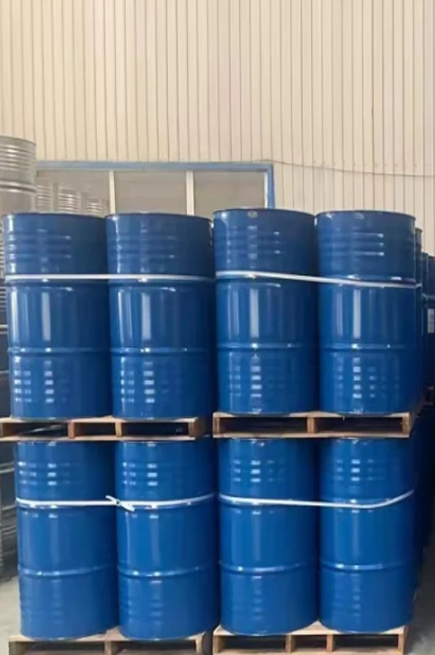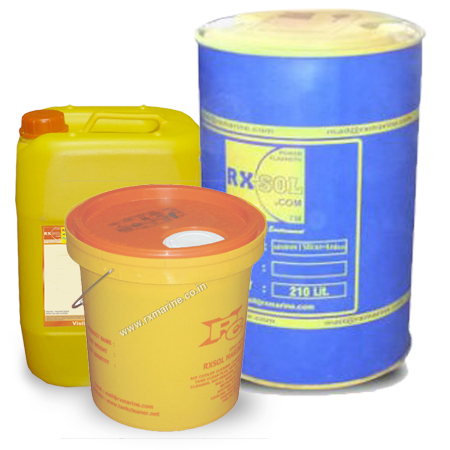
BLEACHING POWDER stable

STABLE BLEACHING POWDER

SKU: RXSOL-19-1623-025 Category:

Description

A white powder that decomposes on contact with water and has the characteristic odor of gaseous chlorine. RXSOL conditioned and Stable bleaching powder is used as a disinfectant in water treatment
 
Bleaching Powder is an inorganic compound with formula Ca(ClO)2. As a mixture with lime and calcium chloride, it is marketed as chlorine powder or bleach powder for water treatment and as a bleaching agent. As a mixture with lime and calcium chloride, it is marketed as chlorine powder or bleach powder for water treatment and as a bleaching agent. This compound is relatively stable and has greater available chlorine than sodium hypochlorite (liquid bleach). 



Product Details

Application

MSDS and Technical bulletine of Bleaching powder available on request.

Bleaching Powder is a powerful chlorine-based oxidizing and disinfecting compound widely used for:
 
  • Water disinfection
  • Swimming pool sanitation
  • Industrial cleaning
  • Wastewater treatment
  • Odor control
  • Surface sterilization


The product releases active chlorine when dissolved in water, effectively destroying bacteria, algae, fungi, viruses, and organic contaminants.

Technical Specifications

STABLE BLEACHING POWDER
Test Results

Appearance

Free flowing Powder
Available Chlorine
35.57%
Stability by Parts
20 No.
Moisture
0.2%
Particle Size-20Mesh
99.7%
Grade
Grade - I

Supply Locations

BLEACHING POWDER stable exporter and supplier in Dubai, Sharjah, Abudhabi, Ajman, Dubai, Muscat Barka Oman, Mumbai, Kandla, Kolkata, Chennai, Visakhapatnam, Canada BC

Safety Data (MSDS)

Product Name

BLEACHING POWDER stable 

Product Type

RXSOL-19-1623-025


RX MARINE INTERNATIONAL
105, A wing , BSEL , TECH PARK.
VASHI ,NEW BOMBAY 400703 INDIA 

Phone +91 22 65113333/ 5555 / 9999 / 27611360 / 27815540
Fax +91 22 2781 1318 :::AOH :0091 9322594669
Email mail@rxmarine.com

PHazardous Ingredients : Sodium hypo Chlorite 25%

CAS Number : Sodium Chlorite 7758-19-2

Synonym (s) : Chlorous acid and sodium salt

Inhalation : Inhalation of vapors or mists may cause irritation of the mucous membranes and respiratory tract. Symptoms may include coughing, bloody nose, and sneezing. Severe overexposure may cause lung damage.

Skin Contact / Absorption : Direct contact may cause irritation and/or burns with symptoms of redness, itching, swelling, and possible burns and blistering due to being a corrosive material.

Eye Contact : Direct contact may cause irritation and/or burns with symptoms of redness, itching, swelling and possible destruction of tissue.

Ingestion : Ingestion may cause gastroenteritis with any or all of the following symptoms: nausea, vomiting, lethargy, diarrhea, bleeding, or ulceration. Acute ingestion of large quantities may also cause anemia due to the oxidizing effects of the chemical.

Exposure Limits : None established for sodium chlorite. However, under exposure to acids, organic materials, reducing agents or chlorine donors chlorine dioxide is released. Exposure limits for chlorine dioxide are:OSHA/PEL: 0.10ppm ACGIH/TLV: 0.10ppm STEL: 0.30ppm IDHL: 5ppm

Inhalation : Remove victim to fresh air. Give artificial respiration only if breathing has stopped. If breathing is difficult, give oxygen. Seek immediate medical attention.

Skin Contact / Absorption : Remove contaminated clothing. Wash affected area with soap and water for at least 5 minutes or until chemical is removed. If irritation persists , repeat flushing and seek medical attention.

Eye Contact : Do not rub eyes, and flush immediately with water for at least 20 minutes. Forcibly hold eyelids apart to ensure complete irrigation of eye tissue. Seek immediate medical attention.


Ingestion : Do not give anything by mouth if the person is unconscious or having seizures. Do not induce vomiting. Drink large quantities of water if able to swallow. If milk is available follow the water with milk. Seek immediate medical attention.

Additional Information : Probable mucosal damage may contraindicate the use of gastric lavage.

 Conditions of Flammability : Product does not burn in solution form, however it may increase flammability of combustible, organic or other oxidizing materials due to it being a strong oxidizing chemical. If spilled  roduct is allowed to dry, it becomes flammable as it becomes easy to ignite by heat or friction.

Means of Extinction :  Extinguish fire using agent suitable for surrounding fire.

Flash Point : Not Applicable

Auto-ignition Temperature : Not Applicable

Upper Flammable Limit : Not Applicable

Lower Flammable Limit : Not Applicable

Hazardous Combustible Products :  If product is allowed to dry, heat or friction can easily ignite this product. Do not allow this product to dry on cloth or clothing. Oxidation can cause a fire hazard
.
Special Fire Fighting Procedures : Wear NIOSH-approved self-contained breathing apparatus and protective clothing.

Explosion  hazards :Contact with acids, organic materials, reducing agents or chlorine donors will produce chlorine dioxide gas and heat. The lower explosive limit for chlorine dioxide is 10%. Flush area with large amounts of air to keep the chlorine dioxide concentration below 10%.

Leak/Spill : Evacuation procedures must be placed into effect. Evacuate all nonessential personnel. Hazardous concentrations in air may be found in local spill area and immediately downwind. Utilize emergency response personal ptective equipment prior to the start of any response. This product may represent an explosion hazard, in the form of explosive chlorine dioxide gas if it contacts acid or chlorine. Remove all sources of ignition, such as flames, hot glowing surfaces or electric arcs. Stop source of spill as soon as possible and notify appropriate personnel. Notify all downstream water users of possible contamination. Create a dike or trench to contain all liquid material. Spill materials may be absorbed using clay, soil or non-flammable commercial absorbents. Flush spill area with large amounts of water. If allowed to dry, dried material can ignite in contact with combustible materials so do not allow spills to dry up. Do not place spill materials back in their original container. Containerize and label all spill materials properly.

Deactivating Materials : mall spills that have been diluted with water can be neutralized with sodium sulphite or sodium bisulphite solutions.

Handling Procedures : Use proper equipment for lifting and transporting all containers. Use sensible industrial hygiene and housekeeping practices. Wash thoroughly after handling. Avoid all situations that could lead to harmful exposure.

Storage Requirements : Do not expose to direct sunlight or ultraviolet light. Protect product from freezing. Avoid contact with incompatible materials. Store in a cool, dry location in closed contain

Protective Equipment
Eyes : Chemical goggles, full-face shield, or a full-face respirator is to be worn at all times when product is handled. Contact lenses should not be worn; they may contribute to severe eye injury.

Respiratory : Wear a NIOSH approved respiratory protection as appropriate for sodium chlorite solution. Full face piece respirator with chlorine dioxide appropriate cartridges (nonoxidizable), supplied air respirators, or self-contained breathing apparatus may also be worn as chlorine dioxide gas can be released if sodium chlorite solution comes in contact with incompatible materials.

Gloves : Impervious gloves of chemically resistant material (butyl rubber or neoprene) should be worn at all times. Wash contaminated clothing and dry thoroughly before reuse.

Clothing : Body suits, aprons, and/or coveralls of chemical resistant material should be worn at all times. Wash contaminated clothing and dry thoroughly before reuse.

Footwear : mpervious boots of chemically resistant material should be worn at all times.
Engineering Controls

Ventilation Requirements : Mechanical ventilation (dilution or local exhaust), process or personnel enclosure and control of process conditions should be provided. Supply sufficient replacement air to make up for air removed by exhaust systems.

Other : Keep an eye wash fountain and safety shower available and in close proximity to work area.

Physical State

Powder

Odor and Appearance

White crystaline slight chlorine odor

Odor Threshold

Not Available

Specific Gravity (Water=1)

1.20-1.23 at 20oC

Vapor Pressure (mm Hg, 20oC

21

Vapor Density (Air=1)

Not Available

Evaporation Rate

Not Available

Evaporation Rate

Not Available

Boiling Point

106oC

Freeze/Melting Point

-9oC

pH

12-13

Water/Oil Distribution Coefficient

Log P(oct) = -7.18

Bulk Density

approximately 10.5lbs/gal

Bulk Density

approximately 10.5lbs/gal

% Volatiles by Volume

Not Available

Solubility in Water

Completely miscible

Molecular Weight

90.45

Stability : Stable

Incompatibility : Acids, reducing   agents, combustible  materials, oxidizers (such as hypochlorites), sulfur containing rubber, dirt, soap, solvents, paints.

Hazardous Products of Decomposition : Explosive and toxic chlorine dioxide gas will be generated on contact with acids or other incompatible materials.

Polymerization : Will not occur

Irritancy : Irritant to the mucous membranes and respiratory tract. Symptoms may include coughing, bloody nose, and sneezing. Severe overexposure may cause lung damage.

Sensitization : Not available

Chronic/Acute Effects : The chronic ingestion of low concentrations of this product has been studied in laboratory animals. Concentrations in the drinking water of 100ppm and higher have been shown to cause mild anemia and a minor suppression of thyroid functions in laboratory animals. All effects were reversible after cessation of treatment. Clinical studies of communities using sodium chlorite, as a disinfectant found no adverse effects in the human population studied. However, other studies have suggested that those individuals deficient in an enzyme (G6PD) utilized in hemoglobin synthesis might be susceptible to the development of anemia if exposed repeatedly. Repeated exposures to solutions of chlorine dioxide at concentrations of 10-100ppm have produced slight effects upon the thyroid in younger animals and the hematologic system. Exposures to these concentrations can reduce the cellular and blood levels of glutathione, an agent which is protective against the oxidizing effect of this chemical. Exposures of laboratory animals above 100ppm in the drinking water have shown adecrease in blood cell glutathione, red blood cell count and hemoglobin. In some studies these levels also caused a slight decrease in thyroid hormones, especially in younger animals.

Synergistic Materials : Not available

Animal Toxicity Data :

LD50(Oral, Rat) :LD50(Oral, Rat):
165mg/kg (sodium chlorite)                          :LD50(Oral, Rat): 292mg/kg (chlorine dioxide)

Carcinogenicity : Sodium chlorite is not listed by NTP, IARC, OSHA, EPA or any other authority as a carcinogen.

Reproductive Toxicity : The CMA conducted a two-generation reproductive study with developmental neurotoxicity to evaluate the effects of sodium chlorite on reproduction and pre- and post-natal development when administered orally via drinking water to male and female Sprague Dawley rats for ten weeks prior to mating. Dosing continued during the mating period, pregnancy and lactation. The final report concluded that there were no meaningful treatment related effects at any dose level for systemic,reproductive/developmental, and developmental neurological end points.Hematological effects and reduced body weight gains were observed in some treatment groups.

Teratogenicity : Sodium chlorite has not been found to be teratogenic in studies in which animals have been exposed up to 100ppm in the drinking water. Male rats repeatedly exposed to concentrations of 100ppm or greater in the drinking water have shown slight effects on sperm motility. No effects were observed at 10ppm and no effects were observed on fertility rate, histology of the male reproductive system or conception rate of animals exposed at 10ppm or higher.

Mutagenicity : Sodium chlorite has been evaluated for possible mutagenic effects in several laboratory tests. Sodium chlorite tested positive in the Ames Salmonella reverse mutation assay without metabolic activators and caused chromosomal aberrations in an in vitro Chinese hamster fibroblast cell line without metabolic activators. Sodium chlorite also tested positive in the mouse micronucleus assay when administered intraperitoneally (directly into the body cavity), but was not mutagenic when administered orally. The significance of these tests results for human health is unclear because the oxidizing effects of the chlorite or salting effects of sodium may significantly affect the ability of the tests to accurately detect mutagens.

Fish Toxicity : TL50 (48 hours, Daphnia Magna): 0.29mg/L

Biodegradability : Sodium chlorite in water will eventually degrade to sodium chloride. Sodium chlorite in contact with acidic soil could produce chlorine dioxide.

Environmental Effects :This product is toxic to fish and aquatic organisms. Do not discharge effluent containing this product into bodies of water unless in accordance with federal and/or provincial law.


Waste Disposal :Dispose in accordance with all federal, provincial, and/or local regulations including the Canadian Environmental Protection Act.

TDG Classification:

Class :8
Group : II                 
PIN Number : UN 1908

Other : Secure containers (full and/or empty) with suitable hold down devises during shipment.

WHMIS Classification : C, D1, E

NOTE: THE PRODUCT  LISTED ON  THIS  MSDS  HAS  BEEN  CLASSIFIED IN ACCORDANCE WITH THE
HAZARD CRITERIA OF THE CANADIAN CONTROLLED PRODUCTS REGULATIONS. THIS MSDS ONTAINS
ALL INFORMATION REQUIRED BY THOSE REGULATIONS.

NSF Certification : Product is certified by Underwriters Laboratories to NSF/ANSI Standard 60 for use in drinking water treatment disinfection and oxidation up to a maximum of 28mg/L.

Disclaimer:
Text of R and S phrase codes used in this safety data sheet:- R34: Causes burns; R36: Irritating to eyes; R37:Irritating to respiratory system; R41: Risk of serious damage to eyes. The information provided about the product on this Safety Data Sheet has been compiled from knowledge of the individual constituents The data given here is based on current knowledge and experience. This Safety Data Sheet describes the product in terms of safety requirements and does not signify any warranty with regard to the product's properties The data given here only applies when product used for proper application(s). The product is not sold as suitable for other applications usage in such may cause risks not mentioned in this sheet. Do not use for other application(s) without seeking advice from manufacturer.

DISCLAIMER OF LIABILITY :The information in this SDS was obtained from sources which we believe are reliable. However, the information is provided without any warranty, express or implied, regarding its correctness. The conditions or methods of handling, storage, use or disposal of the product are beyond our control and may be beyond our knowledge. For this and other reasons, we do not assume responsibility and expressly disclaim liability for loss, damage or expense arising out of or in any way connected with the handling, storage, use or disposal of the product. This MSDS was prepared and is to be used only for this product. If the product is used as a component in another product, this MSDS information may not be applicable

.

top