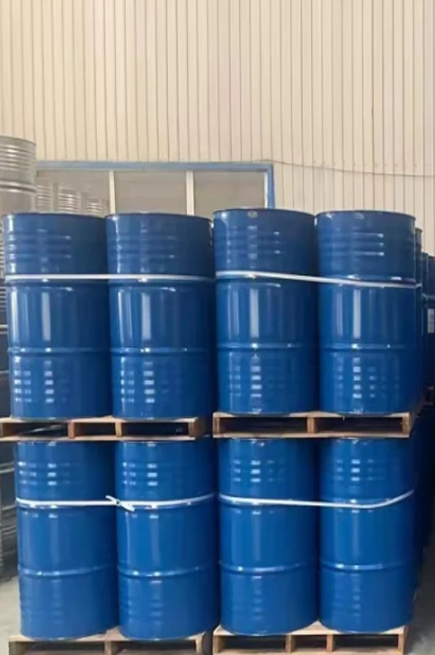
Description
ATMP Amino Trimethylene Phosphonic Acid is a high-performance effective scale inhibitor and chelating agent, ideal for water treatment and DETERGENT cleaning. ATMP is a powerful organophosphorus chelating agent and scale inhibitor.
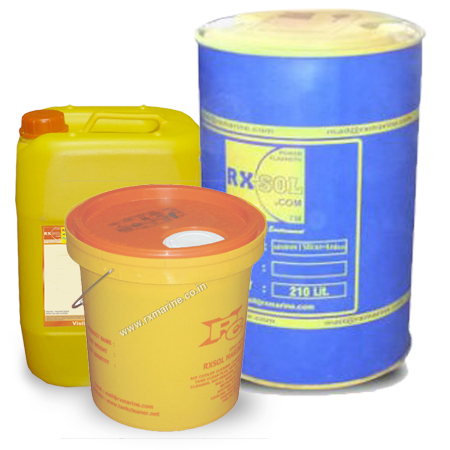
ATMP clear water white to pale yellow liquid organic phosphonic acid compound thats used in water treatment detergents and other industrial applications
ATMP Amino Trimethylene Phosphonic Acid is a high-performance effective scale inhibitor and chelating agent, ideal for water treatment and DETERGENT cleaning. ATMP is a powerful organophosphorus chelating agent and scale inhibitor.
Aminotris (Methylene Phosphonic Acid) pentasodium salt (ATMP 5Na) is an effective scale inhibitor used in various industrial applications such as industrial water treatment and detergents. It further shows good corrosion inhibition properties in presence of zinc and other phosphates. ATMP can be also used as chelating agent in the textile industry.
| Cas Number | |
| Chemical Formula | |
| EC No |
Amino Trimethylene Phosphonic Acid ATMP supplier in Mumbai, Kandla, Kolkata, Chennai, Vizag, Sasaram Bihar, Varanashi UP, Barka, Muscat Oman, Fujairah, Ajman, Abudhabi, Sharjah, Dubai, UAE

| Product Name | Amino Trimethylene Phosphonic Acid |
| Part Number | RXSOL-46-3269-050 |
Company Details:
RX MARINE INTERNATIONAL
105, A wing , BSEL , TECH PARK.
VASHI ,NEW BOMBAY 400703 INDIA
Branch : Kandla, Mumbai , Chennai, Vizag, Kolkata, UAE , OMAN , CANADA and KENYA
| Phone | +91 22 20871200 - 1400 |
| Fax | +91 22 27612100 :::AOH :0091 9821214367 |
| mail@rxmarine.com | |
| Website | www.rxmraine.com |

Substances
| Chemical Name | Amino trimethylene phosphonic acid |
| Formula | C3H12NO9P3 |
| Component | Concentration |
| 1-Hydroxy Ethylidene 1,1- diphosphonic Acid | |
| CAS-No. 6419-19-8 | 48 - 52% |
| Phosphonic Acid | |
| CAS-No. 13598-36-2 | < 4% |

Classification of the substance or mixture
| GHS Classification |
|
| Acute Oral Toxicity | Category 5 |
| Acute Inhalation Toxicity | Category 5 |
| Skin Irritation | Category 2 |
| Serious Eye Damage | Category 1 |
| Corrosive to Metals | Category 1 |
Label elements
| Signal Word | Danger |
| Hazard statement |
H290: May be corrosive to metals.
H303: May be harmful if swallowed.
H333: May be harmful if inhaled
H315: Causes skin irritation.
H318: Causes serious eye damage.
|
| Precautionary statement |
P280: Wear protective gloves (rubber/PVC)/protective clothing such as apron, boots and safety
glasses with side shields.
P264: Wash all affected body parts thoroughly after handling.
P273: Avoid release to the environment.
P234: Keep only in original packaging.
P305 + P351 + P338: IF IN EYES: Rinse cautiously with water for several minutes. Remove
contact lenses, if present and easy to do. Continue rinsing. Immediately call a doctor/physician.
P310: Immediately call a POISON CENTER/doctor
P302 + P352: IF ON SKIN: Wash with plenty of soap and water
P332 + P313: If skin irritation or rash occurs: Get medical advice/attention
P301 + 312: IF SWALLOWED: Call a POISON CENTER or doctor/physician if you feel unwell.
P304 + P340: IF INHALED: Remove person to fresh air and keep in position comfortable for
breathing
P391 + P501: Collect Spillage. Dispose of contents/container in accordance with local/state/federal regulations.
P406: Store in corrosive resistant Glass, PVC, PP or PE container/in container with a resistant inner
|

| Eyes | Flush skin with running water for at least fifteen minutes. Remove any contact lenses. Get medical aid/attention immediately. |
| Skin | Remove contaminated clothing. Wash skin with plenty of running water and soap. Get medical attention/aid if irritation persists. Contaminated clothing should be washed before use. |
| Ingestion | If the product is swallowed, first rinse mouth. Give large amount of water to drink. Call doctor/physician/poison center immediately. Do not induce vomiting. Never give anything by mouth to an unconscious person. If a person vomits, place him/her in recovery position. Aspiration may cause pulmonary edema and pneumonitis. |
| Inhalation | If safe to do so, remove individual from further exposure. Keep warm and at rest. If breathing has ceased, give artificial respiration. Get medical attention/consult a physician. |
| Medical conditions likely to be aggravated by exposure | Central nervous system and cardiovascular system |
| Note to Physician | Treat symptomatically. |
| PPE for first responders | Gloves and safety goggles are highly recommended. |

| Flash Point (°C) | Not applicable |
| Flammable Limits | Not applicable |
| General Hazard |
Evacuate personnel downwind in-order to avoid inhalation of irritating and/or harmful fumes and smoke
|
| Extinguishing Media | Water spray, alcohol resistant foam, dry chemical powder or carbon dioxide. Appropriate for the surrounding area. Do not use a high-power water jet. |
| Hazardous Combustion Products | Fire may cause evolution of corrosive vapors of phosphorous oxides as well as Phosphine, nitrogen oxides (NOx), carbon monoxide and carbon dioxide. |
| Fighting Procedures | Hazardous decomposition and combustion products such as phosphorous and carbon oxides can be formed if product is burning. Cool exposed containers with water spray to prevent overheating. |
| Fire Fighting Equipment | Respiratory and eye protection are required for firefighting personnel. Full protective equipment (bunker gear) and self-contained breathing apparatus (SCBA) should be used for all fires. Evacuate area and fight fire from safe distance or a protected location. Move fireexposed containers, if allowable without sacrificing the safety of the firefighters. Firefighters should control run-off water to prevent environmental contamination. Do not release to sewers or waterways. |
| Sensitivity to Static Discharge | Not sensitive. |
| Sensitivity to Mechanical Impact | Not sensitive. |

Protective Gear for Personnel
| For Small Spill |
Safety glasses or chemical splash goggles, chemically resistant gloves (rubber), chemically resistant boots, and any appropriate body protection to minimize direct contact to the skin. Wear respiratory protection to avoid inhaling vapors
|
| For Large Spill | Triple gloves (rubber and nitrile over latex), chemical resistant suit, boots, hard hat, full face mask/an air purifying respirator (NIOSH approved). Self contained breathing apparatus must be worn in situations where fumigant gas generation and low oxygen levels are a consequence of contamination from the leak. |
| Spill Clean-up Procedures | |
| For Small Spill | In the event of a small spill, the spill should be contained with an absorbent pad and placed in a properly labeled waste disposal container immediately. Do not use water for clean up. Do not let chemical/waste enter the environment. |
| For Large Spill | In the event of a large spill, contain the spill immediately and dispose the spill/waste according to state, federal, and local hazardous waste regulation. Do not let chemical/waste enter the environment. |
| Environmental Precaution | |
| Water spill | Use appropriate containment to avoid run off or release to sewer or other waterways. |
| Land spill | Use appropriate containment to avoid run off or release to ground. |
| General precaution | Remove containers of strong acid, alkali and incompatible materials from the release area. |
| Release Notes | If spill could potentially enter any waterway, including intermittent dry creeks, contact local authorities. |

| Handling | Handle in a well-ventilated area. Handle in a manner consistent with good industrial/manufacturing techniques and practices. Wash hands thoroughly with soap and water after use. Remove contaminated clothing and protective equipment before entering eating areas. |
| Qualified materials |
Glass, PVC, polypropylene, polyethylene.
|
| Storage | Store in a cool, dry well-ventilated area. Keep containers closed when not in use. Keep containers isolated from incompatible materials/conditions such as heat and ignition sources. Protect against physical damage and check regularly for leaks. Do not store with oxidizing agents, alkalis, or caustic substances. |

| Engineering Controls | Use appropriate engineering controls to minimize exposure to vapors/dust generated via routine use. Maintain adequate ventilation of workplace and storage areas. |
| Personal Protective Equipment | |
| Eyes and face |
Wear safety glasses with side shields or face shield when handling this material.
|
| Skin | Avoid direct contact with skin. Wear chemically resistant gloves (PVC/rubber), apron, boots or whole chemically resistant bodysuit when handling this product. |
| Respiratory | Avoid breathing vapor or mist. If risk of overexposure, use NIOSH approved respiratory protection equipment. If used, full face-piece replaces the need for face shield and/or chemical goggles. Consult the respirator manufacturer to determine the appropriate type of equipment for a given application. |
| Work Hygienic Practices | Facilities storing or using this material should be equipped with emergency eyewash, and a safety shower. Good personal hygiene practices should always be followed. |

| Appearance | Clear Liquid |
| Odor | Perceptible, aromatic |
| Odor threshold | Not available |
| Color | Colorless to Pale Yellow |
| pH | At 25°C, 10 g/l: <=2 |
| Melting Point | -12 ᵒC |
| Freezing Point | Not available |
| Boiling Range | >105 ᵒC |
| Flash Point | Not combustible |
| Ignition Temp. | No data available |
| Thermal Decomposition | 178°C |
| Evaporation Rate |
< 1 (n-Butyl Acetate = 1)
|
| Lower Explosive Limit | Not available |
| Upper Explosive Limit | Not available |
| Vapor Pressure | Not available |
| Vapor Density | (Air =1): 10.3 |
| Specific Gravity | 1.32 - 1.36 @ 20 ᵒC |
| Solubility | Soluble |
| Partition Coefficient n-octanol/water | 3.53 |
| Auto Ignition Temp. | Not available |
| Molecular Weight | 299.05 |

| Stability |
The product is stable under recommended storage and handling conditions.
|
| Hazardous Polymerization | Polymerization will not occur |
| Hazardous Decomposition Products | Gives off hydrogen by reaction with metals. Oxides of carbon and oxides of phosphorous formed under decomposition/fire. |
| Materials to Avoid | Corrodes base metals. Strong oxidizing agents, alkalis, and caustic substances. Reacts with steel and aluminum. |
| Conditions to avoid | Avoid exposure to extreme temperatures, incompatible materials, & combustible materials. |

| Acute Oral Toxicity |
LD50 Oral - Rat: > 2910 mg/kg
|
| Acute Inhalation Toxicity | LC50 Inhalation: No data available |
| Acute Dermal Toxicity |
LD50L: Dermal - Rabbit - > 6310 mg/kg
LD50: Dermal - Rat - 7000 mg/kg
|
| Corrosion/Irritation |
|
| Skin | Skin irritation 2; H315 = Causes skin irritation |
| Rabbit, skin | Slightly irritant but not relevant for classification (OECD 404) |
| Eyes | Eye damage/irritation Eye Damage 1; H318 = causes serious eye damage |
| Rabbit, eye | Irritant |
| Carcinogenicity | |
| IARC, NTP, OSHA, ACGIH |
Not listed
|
| Sensitization | No data available |
| Mutagenicity | No data available |
| Reproductive Effects | No data available |
| Teratogenic Effects |
No data available
|
| Routes of Exposure | Eyes, Skin, Inhalation, Ingestion |
| Reproductive toxicity | Based on available data, the classification criteria are not met |
| NOAEL (P) Rat, oral (male) | 275 mg/kg bw/d |
| NOAEL (P) Rat, oral (female) |
310 mg/kg bw/d
|
| Specific target organ toxicity (single exposure) | Based on available data, the classification criteria are not met |
| Specific target organ toxicity (repeated exposure) | Based on available data, the classification criteria are not met |
| NOAEL Rat, oral | > 500 mg/kg bw/d (OECD 453) |
| Potential Health Effects | |
| Eyes | Causes serious eye damage. |
| Skin | Can cause irritation to the skin. |
| Inhalation | May be harmful if inhaled. Can cause irritation to the respiratory tract and can induce coughing. |
| Ingestion | May be harmful if swallowed. Can cause slight irritation and discomfort. |

| Biodegradability in Soil/Water | Approximately 5%/28 d. Not readily biodegradable (according to OECD criteria) 22 - 23%/28 d. (OECD 301D). Poorly biodegradable. |
| Bioaccumulative Potential | Potential is low. Secondary poisoning via the food chain is unlikely to occur |
| Terrestrial Ecotoxicity | This material can be harmful or fatal to contaminated plants or animals, especially if large volumes are released into the environments. |
| Mobility in Soil | No data available |
| Other Adverse Effects | Do not allow to penetrate into soil, water bodies, or drains |

| Waste Treatment Methods | Dispose of product and contaminated packaging in accordance with all local, state, and federal environmental control regulations. |

| US DOT | |
| UN No. |
3265
|
| Proper Shipping Name | Corrosive Liquid, Acidic, Organic, N.O.S. (Amino trimethylene phosphonic acid) |
| UN Class | 8 |
| Packing Group | III |
| Label | Corrosive Sticker |
| IMDG | |
| UN No. | 3265 |
| Proper Shipping Name | Corrosive Liquid, Acidic, Organic, N.O.S. (Amino trimethylene phosphonic acid) |
| UN Class | 8 |
| Packing Group | III |
| Label | Corrosive Sticker |
| IATA | |
| UN No. | 3265 |
| Proper Shipping Name | Corrosive Liquid, Acidic, Organic, N.O.S. (Amino trimethylene phosphonic acid) |
| UN Class | 8 |
| Packing Group | III |
| Label | Corrosive Sticker |

U.S. FEDERAL REGULATIONS
| TSCA | CAS# 6419-19-8 is listed on the TSCA inventory |
| CERCLA | No components of this product are listed. |
| SARA TITLE III (EPCRA) Section 313 | No components of this product are listed. |
| SARA TITLE III (EPCRA) Section 311/312 | Immediate (Acute) Health Hazard |
| Canadian WHMIS Classification | D2(B) - Materials causing other toxic effects; E-Corrosion Material |
| OSHA | None of the chemicals in this product are considered highly hazardous by OSHA |
| California Proposition 65 | No significant risk level |

| Other Information |
The information above is believed to be accurate and represents the best information currently available to us. However, we make no warranty of merchantability or any other warranty, express or implied, with respect to such information, and weassume no liability resulting from its use. Users should make their own investigations to determine the suitability of the information for their particular purposes. In no event shall be liable for any claims, losses, or damages of any third party or for lost profits or any special, indirect, incidental, consequential or exemplary damages, howsoever arising, even if Rx Marine International has been advised of the possibility of such damages. |