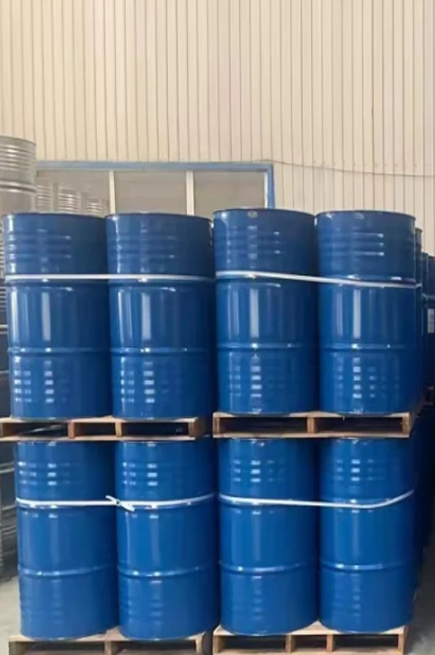
Description
Anionic Polyacrylamide Flocculant
Anionic Polyacrylamide Flocculant is an medium anionic charged polyelectrolyte to be used as flocculant in direct filtration process for settling of inorganic suspended solids, effluent water.
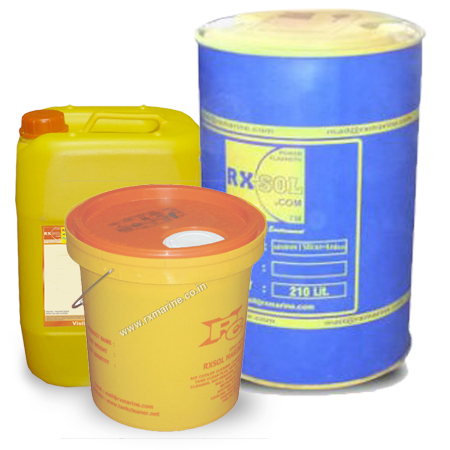
Polyacrylamide Flocculant to be used as flocculant in direct filtration process for settling of inorganic suspended solids, effluent water.
Anionic Polyacrylamide Flocculant
Anionic Polyacrylamide Flocculant is an medium anionic charged polyelectrolyte to be used as flocculant in direct filtration process for settling of inorganic suspended solids, effluent water.
It is used for effluent treatment of inorganic suspended solids found in chemical, Fishery, food, textile, dye, other effluent water, mining and coal washing waste water, metal processing, etc.
Paper Pharmaceutical Industrial medicine Textile Industry Plastic Fertilizer Water Treatment Toothpastes Nuclear Paints Lubricants Metal Oil Industry Rubber Organic Synthesis Printing Industry
The dosage range of Anionic Polyacrylamide Flocculant Anionic Polyelectrolyte Powder varies from 0.2 - 3.0 ppm depending upon the type of effluent and application. It is always advised to do a jar test for evaluating the functioning and approximate dosage of Anionic Polyacrylamide Flocculant Anionic Polyelectrolyte Powder.
Jar Test: Put sample of effluent in a beaker and add Anionic Polyacrylamide Flocculant Powder as designated, agitate for 1 minute at 100-120 rpm and then slowly agitate at 60rpm. Determine the floc properly at this time and note the sedimentation and clarity of top solution.
Procedure and precautions upon dispersion and dissolving flocculants:-
Dissolving time: The time required to dissolve the flocculant varies according to the type of flocculant, water quality, temperature and agitation. However, most flocculants generally require around 1 hour of agitation to completely dissolve the powder. Incomplete mixture of flocculant or lumping may inhibit the performance of the flocculant.
Agitation speed: The ideal revolution of the agitator is between 200-400rpm. A high speed agitator operating without reducing the revolution of a motor is not advised, since it may cut the molecules of the flocculant. An ideal agitator motor should be of 1HP for a 1-2m3 mixing tank.
Dissolving concentration: Flocculants should be standardly be dissolved to 0.1-0.2% concentration. It is also effective to start dissolving at a slightly higher concentration, and then dilute the flocculant mixture immediately before use.
Properties :
| Form | :Powder |
| Colour | :Off-white |
| Odour | :Odourless |
| Flash point | :Not applicable |
| Flammability | :Not flammable |
| Bulk density | :Approx. 750 kg/m3 |
| Self ignition | :Not self-igniting |
| Explosion hazard | :Not explosive |
| Fire promoting properties | :Not fire-propagating |
| Solubility in water |
:Forms a viscous solution. |
Handling measures and precautions :
Proper human safety products such as Splash goggles, lab coat, vapor respirator, gloves and boots should be worn while handling and applying chemicals. Splashes on skin should be washed off with water immediately. In case of splashing into the eyes, flush it with fresh water and obtain medical attention. Should not be injected. Please refer MSDS for more details.
Storage:
This product should be stored in original containers in cool and dry place, away from sources of heat, flame and direct sunlight.
Anionic Polyacrylamide Flocculant Powder manufacturer supplier exporter in Fujairah, Dubai, Sharjah, Ajman, Abudhabi, Gulf, Yemen,UAE Middle East, Ruwi, Ghala, Muscat Barka Oman, Nairobi Kenya Africa, Mumbai, Kandla, Kolkata, Vishakhapatnam, Chennai, India, Canada, Nairobi Kenya, Sudan

| Product Name | RXSOL-40-4160-050 |
| Product Type | Anionic Polyacrylamide Flocculant |
RX MARINE INTERNATIONAL
105, A wing , BSEL , TECH PARK.
VASHI ,NEW BOMBAY 400703 INDIA
Branch Stock Point : Mumbai, Kandla, Chennai, Visakhapatnam, Kolkata, Fujairah, Muscat, Nairobi Kenya, Canada
| Phone | +91 22 27815540 / 41 / 42 |
| Fax | +91 22 2781 1318 :::AOH :0091 9821214367 |
| 123@rxmarine.com | |
| Website | www.rxmarine.com |

This material is classified as not hazardous under OSHA regulations.

Colour: off-white
Appearance: Clear
State of matter: Powder
Odour: Characteristic Odour
Health: May cause mild eye irritation.
Physical/Chemical hazards: Slip hazard when wet., Refer to MSDS Section 7 for Dust Explosion information.
Potential health effects
Primary routes of entry:
Skin, Eyes, Inhalation, Ingestion

Inhalation: Remove to fresh air, if not breathing give artificial respiration. If breathing is difficult, give oxygen and get immediate medical attention.
Skin: After contact with skin, wash immediately with plenty of water and soap. Get medical attention if irritation occurs. If clothing is contaminated, remove and launder before reuse.
Eyes: In case of contact with eyes, rinse immediately with plenty of water and seek medical advice.
Ingestion: Do not induce vomiting. If vomiting occurs naturally, have casualty lean forward to reduce the risk of aspiration. Seek medical attention immediately.

Suitable extinguishing media: carbon dioxide, dry powder, foam
Unsuitable Extinguishing Media: If water is used, restrict pedestrian and vehicular traffic in areas where slip hazard may exist.
Hazardous combustion products: Burning may produce toxic combustion products., Carbon and nitrogen oxides.
Hazards during fire-fighting: The product becomes slippery when wet. Restrict pedestrian and vehicular traffic in areas where slip hazard may exist. Dust in sufficient concentration can result in an explosive mixture in air. Handle to minimize dusting and eliminate open flame and other sources of ignition.
Protective equipment for fire-fighting: Wear self-contained breathing apparatus and chemical-protective clothing.

Cleanup: Product becomes slippery and difficult to handle when wet. Sweep up and shovel into suitable containers for disposal. Avoid raising dust. Wear suitable protective equipment. Should not be released into the environment.
Further information: Spills are very slippery. Restrict pedestrian and vehicular traffic in area of spill until spill is thoroughly cleaned up.

Handling: As with all industrial chemicals, use good industrial practices when handling. Avoid eye, skin, and clothing contact. Do not inhale. Do not taste or swallow. Use only with adequate ventilation.
Protection against fire and explosion:
Combustible powder. - Avoid creating dusty conditions. - Grounding is required when emptying into a conductive container. - When flammable solvents are present, the container must be inerted or the system otherwise designed to prevent or contain an explosion. Seek expert advice. In addition, for products packaged in fused-lined (coated) fiber drums, fiber drums with conductive liners, steel drums, steel pails, and Type " C " FIBC (bulk bags), or other conductive the following instructions also apply: - Always ground this package before emptying. The user is responsible for designing the system to handle solid and ensuring proper training of employees in the system's use.
Storage: Keep container tightly closed in a dry, cool and well-ventilated place.
> For industrial use only <

Engineering Controls: Work in well ventilated areas. Do not breathe dust. Personal protective equipment
Respiratory protection: Use NIOSH approved respirator as needed to mitigate exposure.
Eye protection: Wear safety goggles (chemical goggles) if there is potential for airborne dust exposures.
Body protection: Wear chemical resistant gloves and protective clothing. Eye wash station and safety shower should be available in immediate work area.


Gloves Suit

| Colour | : | Off-white |
| State of matter | : | Powder |
| Odour | : | Characteristic Odor |
| PH value | : | Not tested |
| Evaporation rate | : | Not tested |
| Flash point | : | Not applicable |
| Melting point | : | Not applicable |
| Boiling point | : | Not applicable |
| Vapour pressure | : | Not applicable |
| Bulk density | : | Approx. 750 kg/m3 |
| Vapour density | : | Not applicable |
| Partitioning coefficient noctanol water | : | Not applicable |
| Viscosity, dynamic | : | Not tested |
| % Volatiles | : | Not determined |
| Solubility in water | : | Soluble |

Stability: Stable .
Conditions to avoid: Avoid humidity. Avoid temperature extremes. Avoid electro-static discharge. Avoid sources of ignition.
Substances to avoid: strong oxidizing agents, Incompatible with liquid chlorine, Oxygen, sodium/calcium hypochlorite.
Possibility of Hazardous Reactions: No hazardous reactions known.
Hazardous decomposition products: No decomposition expected under normal storage conditions.

| Acute oral toxicity | : | LD50 / oral / rat: > 2,000 mg/kg By analogy |
| Acute inhalation toxicity | : | Not determined |
| Acute dermal toxicity | : | Not determined |
| Skin irritation | : | Not determined |
| Eye irritation | : | Not determined |
| Skin Sensitization | : | Not determined |
| Subacute Toxicity | : | Not determined |
| Subchronic Toxicty | : | Not determined |
| Chronic toxicity | : | Not determined |
| Genetic toxicity | : | Not expected to be mutagenic |
| Carcinogenicity | : | None of the components in this product at concentrations greater than 0.1% |
| Reproductive toxicity | : | No data for product. No effects anticipated |
| Develop toxicity | : | No data for product. No effects anticipated |

Toxicity to fish: Brachydanio rerio/96 h/LC50: 357 mg/l (OECD 203; ISO 7346; 92/69/EEC, C.1)
Toxicity to aquatic invertebrates:
Daphnia magna/48 h/EC50: 212 mg/l (OECD 202/EC C.2)
Daphnia magna/48 h/LC50: > 1,000 mg/l
(under static conditions in the presence of 10 mg/L humic acid)
Daphnia magna/48 h/EC50: > 50 mg/l
(under static conditions in the presence of 20 mg/L humic acid)
Toxicity to aquatic plants:
Chlorella vulgaris/72 h/EC50: > 1,000 mg/l (OECD 201/EC C. 3)
Toxicity to microorganisms:
Pseudomonas putida/24 h/EC50: 892 mg/l
From tests on a product range
Other ecotoxicological advice: Product not considered toxic to aquatic organisms.

Waste disposal of substance: Dispose of in accordance with national, state and local regulations.
Resource Conservation and Recovery Act (RCRA): Not a hazardous waste under RCRA (40 CFR 261).
 NOTE:
NOTE:
The listed Transportation Classification does not address regulatory variations due to changes in package size,
mode of shipment or other regulatory descriptors.
Road transport:
Special shipping information: Not classified as a dangerous good .
Air transport:
Special shipping information: Not classified as a dangerous good .
International Air Transport Association (IATA)
Special shipping information: Not classified as a dangerous good under transport regulations.
International Maritime Dangerous Goods Code (IMDG)
Special shipping information: Not classified as a dangerous good under transport regulations.

United States - Regulations
SARA Section 311/312 Hazard Communication Standard:
Acute Health: N Fire: N
Chronic Health: N Reactivity: N
Sudden release of pressure: N
SARA Section 313 Toxic Chemical List: This product does not contain any components reportable under Sec 313 (40 CFR 372).
OSHA hazard category: This material is classified as not hazardous under OSHA regulations.
Toxic Substances Control Act (TSCA) Section 5(f): This product is not subject to a Section 5(f)/6(a) rule.
Toxic Substances Control Act (TSCA) Section 12(b) Export Notification: No components listed.
Clean Air Act - Hazardous Air Pollutants (HAP):
Chemical name CAS Number Notification
2-Propenoic acid 79-10-7 Listed
2-Propenamide 79-06-1 Listed
Clean Air Act 602 - Ozone Depleting Substances (ODS): This product neither contains, nor was manufactured with, a Class I or Class II ozone depleting substance (ODS), as defined by the U.S. Clean Air Act Section 602 (40 CFR 82, Subpt. A, App. A+B).
Clean Water Act - Priority Pollutants (PP): This product does not contain any priority pollutants listed under the U.S. Clean Water Act Section 307(2)(1) Priority Pollutant List (40 CFR 401.15).
California Proposition 65 - Chemicals Known to the State to Cause Cancer:
Chemical name CAS Number Notification
2-Propenamide 79-06-1 Carcinogenic.
WARNING: This product contains a chemical known to the State of California to cause cancer.

The information above is believed to be accurate and represents the best information currently available to us. However, we make no warranty of merchantability or any other warranty, express or implied, with respect to such information, and we assume no liability resulting from its use. Users should make their own investigations to determine the suitability of the information for their particular purposes. In no event shall RX Marine International be liable for any claims, losses, or damages of any third party or for lost profits or any special, indirect, incidental, consequential or exemplary damages, howsoever arising, even if RX Marine International has been advised of the possibility of such damages.
DISCLAIMER OF LIABILITY :The information in this SDS was obtained from sources which we believe are reliable. However, the information is provided without any warranty, express or implied, regarding its correctness. The conditions or methods of handling, storage, use or disposal of the product are beyond our control and may be beyond our knowledge. For this and other reasons, we do not assume responsibility and expressly disclaim liability for loss, damage or expense arising out of or in any way connected with the handling, storage, use or disposal of the product. This MSDS was prepared and is to be used only for this product. If the product is used as a component in another product, this MSDS information may not be applicable.