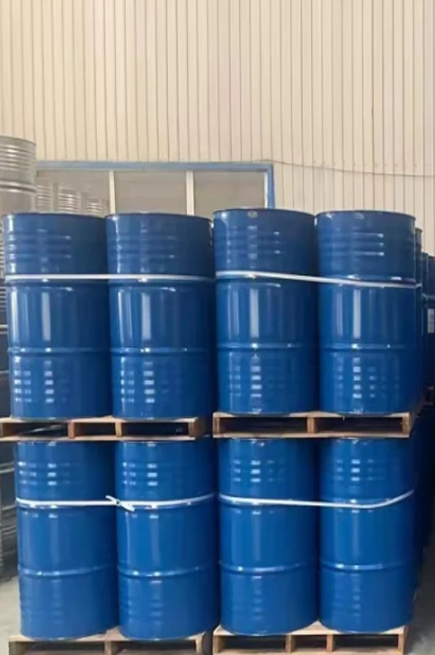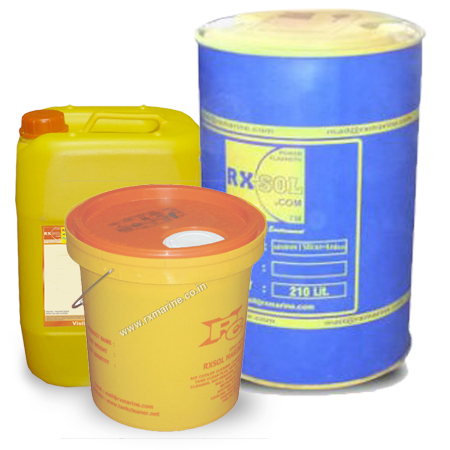
Antifreeze Liquid 210 Ltrs

It is a Very effective blend of GLYCOL classified chemicals along with CORROSION inhibitor to protects all engineering precious metal including aluminium . Its chemically treated layer protect radiators and engines, against rust and corrosion. Its proper

SKU: RXSOL-16-4020-210 Category:

Description

RXSOL ANTIFREEZE Corrosion Inhibitor

Antifreeze compound for cooling water systems, It is a Very effective blend of GLYCOL classified chemicals along with CORROSION inhibitor to protects all engineering precious metal including aluminium. Its chemically treated layer protect radiators and engines, against rust and corrosion. Its proper dose in cooling system gives full protection from corrosion.

It is biodegradable and does not present an environmental problem.



Product Details

Application

Solution Strength : Used to lower freezing point of water in refrigeration units, radiators and other cooling systems.
25 Ltrs RXSOL-16-4020-210 : 75 Ltrs Water gives freezing protection up to -140C  "or" 25% solution (1 part anti-freeze to 3 parts water)
For extra cold / winter climate , increase to a 33% solution (1 part anti-freeze to 2 parts water) to give freezing protection down to -170C.


Dosage & Procedure

EYES : Irrigate copiously with clean, fresh water for at least 15  minutes. Seek medical advice.
SKIN :  Wash  immediately  with  plenty  of  water.  Remove  contaminated   clothing.  If  irritation  persists  seek  medical attention.  Wash  contaminated  clothing  before  using  them.
INHALATION : Remove to fresh air. If breathing is irregular seek medical advice.
INGESTION :  Obtain  immediate  medical  attention.  Induce  vomiting  only  if indicated  by  the  doctor.  Never  give anything  by  mouth  to  an  unconscious  person.


Technical Specifications

Antifreeze Plus Corrosion Scale Inhibitor is heavy-duty  antifreeze and coolant build with corrosion ihibitor. Its  use  compatible with any heavy and light duty diesel or gas engines.
 
Specification :: 
 
Appearance : Clear Syrupy Liquid
pH  : 7 - 8.5
Freezing Point (50% Vol) : -35 ºC  to -37 ºC
Boiling Point : 195 ºC - 198ºC
Odour  : Characteristic
Specific Gravity  : 1.112 - 1.115
   

Notes & Precautions

Antifreezes have been proposed with consist of water-soluble alcohols as the chief nonaqueous ingredients plus anticorrosion agents containing 0.4 to 80% benzotriazole, its ammonium salt, or tetrabortate, or their mixtures. The amount of the agent in the antifreeze is sufficient to produce a concentration of about 0.01 to 2.0% benzotriazole or its salt and 0.5 to 3.0% of the weight of the water soluble alcohols.

Another antifreeze consists of a water-soluble alcohol, particularly ethylene glycol, and an agent containing 0.2 to 77% benzotriazole, its alkali metal or ammonium salt or their mixtures, or N-alkylbenzotriazole; 2.2 to 80% of an alkali metal arsenite, arsenate or molybdate or their mixtures; and 11 to 96% of a material which maintains the pH of the aqueous solution of the anticorrosion agent at about 7.5 to 10.5.  The anticorrosion agent is present in an amount sufficient to produce concentrations of 0.01 to 2.0% benzotriazole; 0.1 to 2.0% arsenite, arsenate, or molybdate; and 0.5 to 2.5% of the buffer.

Other corrosion inhibitors for ethylene glycol solutions have been proposed. For example, one contains 1 part phosphoric acid (density 1.75) and sufficient technical triethanolamine (usually about 3 parts by wt) added to 100 parts ethylene glycol to bring the pH of a 50% aqueous solution of the mixture to 7.2. The resulting composition shows less tendency to corrode metals than a corresponding composition in which the benzotriazole is replaced by 0.2 to 0.3 parts sodium mercaptobenzotriazole.

Active Matter

99-99.5

Generic / Chemical Name

Freezing protection up to -140C

Supply Locations

Antifreeze Liquid manufacturer supplier distributor in Mumbai, Kandla, Kolkata, Vizag, Chennai, India, Fujairah, Dubai UAE, Muscat Oman, Kenya Africa. Get the best quality of Antifreeze Liquid at a competitive price from us. We have ready stock of Antifreeze Liquid in India, UAE Gulf, Oman, Kenya Africa. Contact us for bulk as well as small orders.

Safety Data (MSDS)

Product Name Antifreeze Liquid
Product Type RXSOL-16-4020-210

Company Details:

RX MARINE INTERNATIONAL
105, A wing , BSEL , TECH PARK.
VASHI ,NEW BOMBAY 400703 INDIA

Stock Point : Mumbai, Kolkata, Chennai, Gandhidham, Visakhapatnam, Fujairah, Muscat

Phone +91 22 27815541 / 42
Fax +91 22 2781 1318 :::AOH :0091 9821214367
Email mail@rxmarine.com

Ingredient

CAS No

Percent

Ethylene Glycol

107-21-1 

75-95%

2-Ethyl Hexanoic Acid, Sodium Salt 

19766-89-3 1-5%

Neodecanoic Acid, Sodium Salt

31548-27-3 1-5%
Diethylene Glycol  111-46-6

 0-5% 

Acute Toxicity Category 4 (oral)

Specific Target Organ Toxicity – Repeated Exposure

Category 2

Toxic to Reproduction Category 2

WARNING!

H302 Harmful if swallowed.

H361d Suspected of damaging the unborn child.

H373 May cause damage to kidneys through prolonged or repeated exposure.

Prevention:

P201 Obtain special instructions before use.

P202 Do not handle until all safety precautions have been read and understood.

P260 Do not breathe mist or vapors.

P264 Wash exposed skin thoroughly after handling.

P270 Do not eat, drink, or smoke when using this product. 

P280 Wear protective gloves.

Response:

P301 + P312 IF SWALLOWED: Call a POISON CENTER or physician if you feel unwell.

P330 Rinse mouth.

P308 + P313 IF exposed or concerned: Get medical advice. Disposal: P405 Store locked up.

P501 Dispose of contents and container in accordance with local and national regulations. 

INHALATION: Remove the victim to fresh air. If breathing has stopped administer artificial respiration. If breathing is difficult, have medical personnel administer oxygen. Get medical attention.

SKIN CONTACT: Remove contaminated clothing. Immediately wash contacted area thoroughly with soap and water. If irritation persists, get medical attention.

EYE CONTACT: Immediately flush eyes with large amounts of water for 15 minutes. Get medical attention if irritation persists.

INGESTION: Seek immediate medical attention. Immediately call local poison control center or go to an emergency department. Never give anything by mouth to or induce vomiting in an unconscious or drowsy person.

MOST IMPORTANT SYMPTOMS: May cause eye irritation. Inhalation of mists may cause nose and throat irritation and nervous system effects. Ingestion may cause abdominal discomfort or pain, nausea, vomiting, dizziness, drowsiness, malaise, blurring of vision, irritability, back pain, decrease in urine output, kidney failure, and central nervous system effects.

INDICATION OF IMMEDIATE MEDICAL ATTENTION AND SPECIAL TREATMENT, IF NEEDED: Seek immediate medical attention for large ingestions.

NOTES TO PHYSICIAN: The principal toxic effects of ethylene glycol, when swallowed, are kidney damage and metabolic acidosis. The combination of metabolic acidosis, an osmol gap and oxalate crystals in the urine is evidence of ethylene glycol poisoning. Pulmonary edema with hypoxemia has been described in a number of patients following poisoning with ethylene glycol. Respiratory support with mechanical ventilation may be required. There may be cranial nerve involvement in the late stages of toxicity from swallowed ethylene glycol. In particular, effects have been reported involving the seventh, eighth, and ninth cranial nerves, presenting with bilateral facial paralysis, diminished hearing and dysphagia. Ethanol is antidotal and its early administration may block the formation of nephrotoxic metabolites of ethylene glycol in the liver. The objective is to rapidly achieve and maintain a blood ethanol level of approximately 100 mg/dl by giving a loading dose of ethanol followed by a maintenance dose. Intravenous administration of ethanol is the preferred route. Ethanol blood levels should be checked frequently. Hemodialysis may be required. 4-Methyl pyrazole (Fomepizole®), a potent inhibitor of alcohol dehydrogenase, has been used therapeutically to decrease the metabolic consequences of ethylene glycol poisoning. Fomepizole® is easier to use clinically than ethanol, does not cause CNS depression or hypoglycemia and requires less monitoring than ethanol. Additional therapeutic modalities which may decrease the adverse consequences of ethylene glycol metabolism are the administration of both thiamine and pyridoxine. As there are complicated and serious overdoses, we recommend you consult with the toxicologists at your poison control center.

SUITABLE EXTINGUISHING MEDIA: For large fires, use alcohol type or all-purpose foams. For small fires, use water spray, carbon dioxide or dry chemical.

SPECIFIC HAZARDS ARISING FROM THE CHEMICAL: A solid stream of water or foam directed into hot, burning liquid can cause frothing. Burning may produce carbon monoxide and carbon dioxide.

SPECIAL FIRE FIGHTING PROCEDURES: Do not spray pool fires directly. Firefighters should wear positive pressure selfcontained breathing apparatus and full protective clothing for fires in areas where chemicals are used or stored. 

PERSONAL PRECAUTIONS, PROTECTIVE EQUIPMENT AND EMERGENCY PROCEDURES: Wear appropriate protective clothing and equipment (See Section 8).

METHODS AND MATERIALS FOR CONTAINMENT/CLEANUP: Collect with absorbent material and place in appropriate, labeled container for disposal or, if permitted flush spill area with water. 


PRECAUTIONS FOR SAFE HANDLING:

Harmful or Fatal if Swallowed. Do not drink antifreeze or solution. Avoid eye and prolonged or repeated skin contact. Avoid breathing vapors or mists. Wash exposed skin thoroughly with soap and water after use. Do not store in opened or unlabeled containers. Keep container away from open flames and excessive heat. Do not reuse empty containers unless properly cleaned. Empty containers retain product residue and may be dangerous. Do not cut, weld, drill, etc. containers, even empty. Sudden release of hot organic chemical vapors or mists from process equipment operating at elevated temperature and pressure, or sudden ingress of air into vacuum equipment, may result in ignitions without any obvious ignition sources. Published "autoignition" or "ignition" temperatures cannot be treated as safe operating temperatures in chemical processes without analysis of the actual process conditions. Use of this product in elevated temperature applications should be thoroughly evaluated to assure safe operating conditions.

CONDITIONS FOR SAFE STORAGE, INCLUDING ANY INCOMPATIBILITIES: Store away from excessive heat and oxidizers.

NFPA CLASSIFICATION: IIIB 

EXPOSURE GUIDELINES

CHEMICAL                                                        EXPOSURE LIMIT

Ethylene Glycol (as aerosol)                             100 mg/m3 Ceiling ACGIH TLV

2-Ethyl Hexanoic Acid, Sodium Salt                  None Established

Neodecanoic Acid, Sodium Salt                        None Established

Diethylene Glycol                                              10 mg/m3 TWA AIHA WEEL

VENTILATION: Use general ventilation or local exhaust as required to maintain exposures below the occupational exposure limits.

RESPIRATORY PROTECTION: For operations where the TLV is exceeded a NIOSH approved respirator with organic vapor cartridges and dust/mist prefilters or supplied air respirator is recommended. Equipment selection depends on contaminant type and concentration. Select and use in accordance with 29 CFR 1910.134 and good industrial hygiene practice. For firefighting, use self-contained breathing apparatus.

GLOVES: Chemical resistant gloves such as neoprene or PVC where contact is possible.

EYE PROTECTION: Splash-proof goggles.

OTHER PROTECTIVE EQUIPMENT/CLOTHING: Appropriate protective clothing as needed to minimize skin contact. 

APPEARANCE: Yellow liquid

ODOR: Characteristic odor

ODOR THRESHOLD: None

pH: 8.7-9.2

MELTING/FREEZING POINT: -34°F (-36.6°C) – -36°F (-37.7°C)

BOILING POINT/RANGE: 327°F (164°C) – 340°F (171.1°C)

FLASH POINT: 254 °F (123 °C) TOC >230 °F (>110 °C) Setaflash

EVAPORATION RATE: Not determined

FLAMMABILITY (SOLID, GAS) Not Applicable

FLAMMABILITY LIMITS: LEL: Not determined

UEL: Not determined

VAPOR PRESSURE: <0.06 mm Hg @20°C

VAPOR DENSITY: 2.1

RELATIVE DENSITY: 1.07-1.14

SOLUBILITIES Water: Complete

PARTITION COEFFICIENT (n-octanol/water) Not determined 

AUTOIGNITION TEMPERATURE: Not determined

DECOMPOSITION TEMPERATURE: Not determined

VISCOSITY: Not determined 

REACTIVITY: Normally unreactive CHEMICAL STABILITY: Stable

POSSIBILITY OF HAZARDOUS REACTIONS: Reaction with strong oxidizers will generate heat.

CONDITIONS TO AVOID: None known

INCOMPATIBLE MATERIALS: Avoid strong bases at high temperatures, strong acids, strong oxidizing agents, and materials reactive with hydroxyl compounds.

HAZARDOUS DECOMPOSITION PRODUCTS: Carbon monoxide, carbon dioxide. 

POTENTIAL HEALTH EFFECTS:

ACUTE HAZARDS: INHALATION: May cause irritation of the nose and throat with headache, particularly from mists. High vapor concentrations caused, for example,
by heating the material in an enclosed and poorly ventilated workplace, may produce nausea, vomiting, headache, dizziness and irregular eye movements.

SKIN CONTACT: No evidence of adverse effects from available information.

EYE CONTACT: Liquid, vapors or mist may cause discomfort in the eye with persistent conjunctivitis, seen as slight excess redness or conjunctiva. Serious corneal injury is not anticipated. INGESTION: May cause abdominal discomfort or pain, nausea, vomiting, dizziness, drowsiness, malaise, blurring of vision, irritability, back pain, decrease in urine output, kidney failure, and central nervous system effects, including irregular eye movements, convulsions and coma. Cardiac failure and pulmonary edema may develop. Severe kidney damage which may be fatal may follow the swallowing of ethylene glycol. A few reports have been published describing the development of weakness of the facial muscles, diminishing hearing, and difficulty with swallowing, during the late stages of severe poisoning.

CHRONIC EFFECTS: Prolonged or repeated inhalation exposure may produce signs of central nervous system involvement, particularly dizziness and jerking eye movements. Prolonged or repeated skin contact may cause skin sensitization and an associated dermatitis in some individuals. Ethylene glycol has been found to cause birth defects in laboratory animals. The significance of this finding to humans has not been determined. 2-Ethyl Hexanoic Acid, Sodium Salt is suspected of causing developmental effects based on animal data.

CARCINOGENICITY LISTING: None of the components of these products is listed as a carcinogen or suspected carcinogen by IARC, NTP, ACGIH or OSHA.

ACUTE TOXICITY VALUES:

Ethylene Glycol: LD50 Oral Rat: 4700 mg/kg

LD50 Skin Rabbit: 9530 mg/kg

Diethylene Glycol: LD50 Oral Rat: 12,565 mg/kg

LD50 Skin Rabbit: 11,890 mg/kg

ECOTOXICITY: Ethylene Glycol: LC50 Fathead Minnow 10,000 mg/l Algae (Microcystis aeruginosa): 2,000 mg/l Green algae (Scenedesmus quandricauda) : >10,000 mg/l Diethylene Glycol: LC50 western mosquitofish >32,000 mg/L/96 hr.

PERSISTENCE AND DEGRADABILITY: Ethylene Glycol is readily biodegradable (97-100% in 2-12 days). Diethylene glycol is readily biodegradable (>70% in 19 days).

BIOACCUMULATIVE POTENTIAL: Ethylene glycol: A BCF of 10, reported for ethylene glycol in fish, Golden ide (Leuciscus idus melanotus), after 3 days of exposure suggests the potential for bio concentration in aquatic organisms is low. Diethylene glycol: An estimated BCF of 3 suggests the potential for bio concentration in aquatic organisms is low.

MOBILITY IN SOIL: Ethylene glycol and diethylene glycol are highly mobile in soil.

OTHER ADVERSE EFFECTS: None known 

Dispose of product in accordance with all local, state/provincial and federal regulations. 

U.S. DOT HAZARD CLASSIFICATION: Not Regulated (unless package contains a reportable quantity)

Note: IF A SHIPMENT OF A REPORTABLE QUANTITY (5,260 LBS/553 GAL.) IN A SINGLE PACKAGE IS INVOLVED, THE FOLLOWING INFORMATION APPLIES:

PROPER SHIPPING NAME: RQ, Environmentally hazardous substance, liquid, n.o.s. (Ethylene glycol)

UN NUMBER: UN3082

PACKING GROUP: III

LABELS REQUIRED: Class 9

DOT MARINE POLLUTANTS: This product does not contain Marine Pollutants as defined in 49 CFR 171.8.

IMDG CODE SHIPPING CLASSIFICATION: Not Regulated

CANADIAN TDG CLASSIFICATION: Not Regulated 

EPA SARA 311/312 HAZARD CLASSIFICATION: Acute health, chronic health

EPA SARA 313: This Product Contains the Following Chemicals Subject to Annual Release Reporting Requirements Under SARA Title III, Section 313 (40 CFR 372): Ethylene Glycol 107-21-1 75-95%

PROTECTION OF STRATOSPHERIC OZONE: This product is not known to contain or to have been manufactured with ozone depleting substances as defined in 40 CFR Part 82, Appendix A to Subpart A.

CERCLA SECTION 103: Spills of this product over the RQ (reportable quantity) must be reported to the National Response Center. The RQ for this product, based on the RQ for Ethylene Glycol (95% maximum) of 5,000 lbs, is 5,260 lbs. Many states have more stringent release reporting requirements. Report spills required under federal, state and local regulations.

CALIFORNIA PROPOSITION 65: This product contains the following chemicals known to the State of California to cause cancer or reproductive toxicity (birth defects): Ethylene Glycol 107-21-1 75-95% Developmental

EPA TSCA INVENTORY: All of the components of this material are listed on or exempt from the Toxic Substances Control Act (TSCA) Chemical Substances Inventory.

CANADIAN ENVIRONMENTAL PROTECTION ACT: All of the ingredients are listed on or exempt from the Canadian Domestic Substances List.

EUROPEAN INVENTORY OF EXISTING COMMERCIAL CHEMICAL SUBSTANCES (EINECS): All of the ingredients are listed on or exempt from the EINECS inventory. JAPAN: All of the ingredients of this product are listed on or exempt from the Japanese Existing and New Chemical Substances (MITI) List.

AUSTRALIA: All of the ingredients of this product are listed on or exempt from the Australian Inventory of Chemical Substances.

KOREA: All of the ingredients of this product are listed on or exempt from the Korean Existing Chemical List (KECL).

PHILIPPINES: All of the ingredients of this product are listed on or exempt from the Philippine Inventory of Chemical and Chemical Substance (PICCS) CHINA: All of the ingredients of this product are listed on or exempt from the Inventory of Existing Chemical Substance in China (IECSC). 

NFPA RATING (NFPA 704) - FIRE: 1 HEALTH: 2 INSTABILITY: 0

REVISION SUMMARY: Section 15: Chemical inventories, California Proposition 65.

SDS Date of Preparation/Revision: September 24, 2015

This SDS is directed to professional users and bulk handlers of the product. Consumer products are labeled in accordance with Federal Hazardous Substances Act regulations. 


The information provided about the product on this Safety Data Sheet has been compiled from knowledge of the individual constituents.The data given here is based on current knowledge and experience. This Safety Data Sheet describes the product .in terms of safety requirements and does not signify any warranty with regard to the product's properties The data given here only applies when product used for proper application(s). The product is not sold as suitable for other applications - usage in such may cause risks not mentioned in this sheet. Do not use for other.

DISCLAIMER OF LIABILITY :The information in this SDS was obtained from sources which we believe are reliable. However, the information is provided without any warranty, express or implied, regarding its correctness. The conditions or methods of handling, storage, use or disposal of the product are beyond our control and may be beyond our knowledge. For this and other reasons, we do not assume responsibility and expressly disclaim liability for loss, damage or expense arising out of or in any way connected with the handling, storage, use or disposal of the product. This MSDS was prepared and is to be used only for this product. If the product is used as a component in another product, this MSDS information may not be applicable.

top