CAFFEINE PURE ANHYDROUS

NOT FOR SALE CAFFEINE PURE (ANHYDROUS)

SKU: RXSOL-60-6604-217 Category:

Description

Caffeine anhydrous is made from the seeds and leaves of coffee plants. The word “anhydrous” means “without water.” After harvesting, caffeine is extracted from the plant matter and dehydrated. This produces a highly concentrated caffeine powder.






Product Details

Application

Through specific laboratory processes, which include filtering out the water and other chemical components, the caffeine from these plants will form caffeine anhydrous. 

Dosage & Procedure

A healthy adult can consume around 400 milligrams of caffeine daily, which means you can safely have about four cups of coffee in a day unless otherwise advised by your doctor. Consumption of 200 milligrams of caffeine doesn't cause any significant harmful effects in healthy people.

Notes & Precautions

Caffeine powder is your favorite stimulant in its purest form, either produced synthetically or extracted from foods that naturally contain caffeine, like coffee beans and kola nuts. It's easy to buy the fine, white powder in bulk on the Internet.

Supply Locations

CAFFEINE PURE (ANHYDROUS)  manufacturers, suppliers, exporters in Mumbai, Gandhidham, Kolkata, Varanasi, Visakhapatnam, Chennai, Fujairah, Dubai, Canada BC, Barka, Sohar, Muscat, Oman.
Lab chemicals manufacturers, suppliers, exporters in India, UAE Middle East, Barka, Sohar, Muscat, Oman, Canada.
 
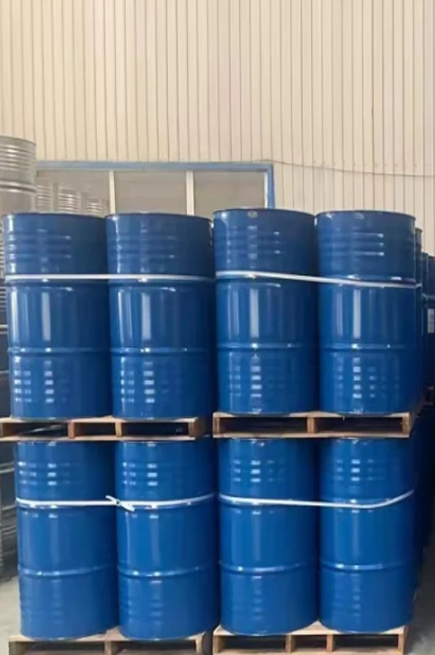
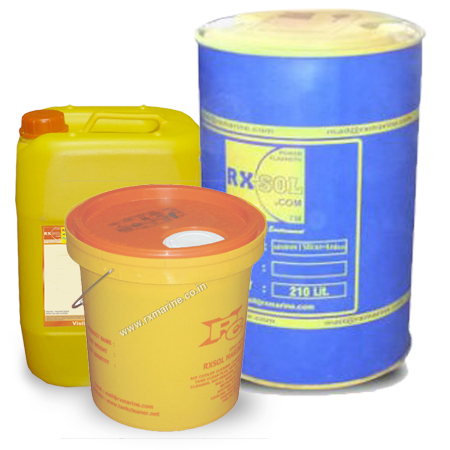
CAFFEINE PURE (ANHYDROUS)  is available in small packing as well as in bulk. Buy premium quality CAFFEINE PURE (ANHYDROUS)  and other lab chemicals from one of the most trusted brands.

Safety Data (MSDS)

Product Name RXSOL-60-6604-217
Product Type CAFFEINE PURE (ANHYDROUS)
Revised date  

Company Details:

RX MARINE INTERNATIONAL
105, A wing , BSEL , TECH PARK.
VASHI ,NEW BOMBAY 400703 INDIA

Stock Point : Mumbai, Kandla, Chennai, Visakhapatnam, Kolkata, Fujairah, Muscat Barka

Phone +91 22 27815541 / 42
Fax +91 22 2781 1318 :::AOH :0091 9821214367
Email mail@rxmarine.com

2.1. Substances : CAFFEINE ANHYDROUS
CAS-No. : 58-08-2
Substance.
Contains no other components or impurities which will influence the classification of the
product. 
 
 
3.1. Classification of the substance or mixture
Classification according to Regulation (EC) No. 1272/2008 [CLP]
Acute toxicity (oral), H302
Category 4
Classification according to Directive 67/548/EEC [DSD] or 1999/45/EC [DPD]
Xn; R22
Adverse physicochemical, human health and environmental effects
No additional information available
3.2. Label elements
Labelling according to Regulation (EC) No. 1272/2008 [CLP]
Extra labelling to displayExtra classification(s) to display
Symbol(s) : Xn: Harmful
 
R Phrase(s) : 22. Harmful if swallowed.
Hazard pictograms    
 
 
Signal word : Warning
Hazard statements : H302 - Harmful if swallowed.
Precautionary statements : P264 - Wash hands, forearms and face thoroughly after handling.
P270 - Do not eat, drink or smoke when using this product.
P301+P312 - IF SWALLOWED: Call a POISON CENTER or doctor if you feel unwell.
P330 - Rinse mouth.
P501 - Dispose of contents/container to hazardous or special waste collection point,
in accordance with local, regional, national and/or international regulation
3.3. Other hazards
No additional information available.
 
 
4.1. Description of first aid measures
First-aid measures after inhalation : Remove person to fresh air and keep comfortable for breathing.
First-aid measures after skin contact : Wash with plenty of water/….
Get medical advice/attention. First-aid measures after eye contact : Rinse cautiously with water for several minutes.
Remove contact lenses, if present and easy to do. Continue rinsing.
Get medical advice/attention. First-aid measures after ingestion : Rinse mouth.
Call a POISON CENTER/doctor if you feel unwell.
4.2. Most important symptoms and effects, both acute and delayed
Symptoms/effects after ingestion : Harmful if swallowed.
4.3. Indication of any immediate medical attention and special treatment needed
Treat symptomatically.


5.1. Extinguishing media
Suitable extinguishing media : Carbon dioxide. Dry powder. Foam. Water spray.
Unsuitable extinguishing media : Do not use a heavy water stream.
5.2. Special hazards arising from the substance or mixture
No additional information available
5.3. Advice for firefighters
Protection during firefighting : Do not enter fire area without proper protective
equipment, including respiratory protection. 
 
 
6.1. Personal precautions, protective equipment and emergency procedures
6.1.1. For non-emergency personnel
Emergency procedures : Evacuate unnecessary personnel.
6.1.2. For emergency responders
Protective equipment : Use personal protective equipment as required.
6.2. Environmental precautions
Avoid release to the environment.
6.3. Methods and material for containment and cleaning up
Methods for cleaning up : On land, sweep or shovel into suitable containers.
Soak up spills with inert solids, such as clay or diatomaceous earth as soon as possible.
6.4. Reference to other sections
No additional information available
 
 
7.1. Precautions for safe handling
Precautions for safe handling : Avoid contact with skin and eyes. Do not breathe vapours.
Provide good ventilation in process area to prevent formation of vapour.
Hygiene measures : Do not eat, drink or smoke when using this product.
Wash hands and other exposed areas with mild soap and water before eating,
drinking or smoking and when leaving work.
7.2. Conditions for safe storage, including any incompatibilities
Storage conditions : Store in a well-ventilated place. Keep container tightly closed.
7.3. Specific end use(s)
No additional information available
 
 
8.1. Control parameters
No additional information available
8.2. Exposure controls
Hand protection : Protective gloves
Eye protection : Chemical goggles or safety glasses
Skin and body protection : Wear suitable protective clothing
Respiratory protection : [In case of inadequate ventilation] wear respiratory protection
 
 
9.1. Information on basic physical and chemical properties
Odour threshold : No data available
pH : 6.9
Relative evaporation rate (butylacetate=1) : No data available
Melting point : 234 - 236 °C
Freezing point : No data available
Boiling point : 178 °C
Flash point : No data available
Auto-ignition temperature : No data available
Decomposition temperature : No data available
Flammability (solid, gas) : No data available
Vapour pressure : No data available
Relative vapour density at 20 °C : No data available
Relative density : No data available
Density : 1.23 g/cm³
Solubility : Water: 1 (gm in 46 ml water)
Log Pow : 0.07
Viscosity, kinematic : No data available
Viscosity, dynamic : No data available
Explosive properties : No data available
Oxidising properties : No data available
Explosive limits : No data available
9.2. Other information
No additional information available
 
 
10.1. Reactivity
No additional information available
10.2. Chemical stability
Stable under normal conditions.
10.3. Possibility of hazardous reactions
No additional information available
10.4. Conditions to avoid
Air contact. Direct sunlight. Moisture.
10.5. Incompatible materials
Oxidizing agent.
10.6. Hazardous decomposition products
No additional information available 
 
 
11.1. Information on toxicological effects
Acute toxicity : Oral: Harmful if swallowed.
Skin corrosion/irritation : Not classified
pH: 6.9
Serious eye damage/irritation : Not classified
pH: 6.9
Respiratory or skin sensitisation : Not classified
Germ cell mutagenicity : Not classified
Carcinogenicity : Not classified
Reproductive toxicity : Not classified
STOT-single exposure : Not classified
STOT-repeated exposure : Not classified
Aspiration hazard : Not classified
Potential adverse human health effects and
symptoms : Harmful if swallowed.

12.1. Toxicity
No additional information available
12.2. Persistence and degradability
No additional information available
12.3. Bioaccumulative potential
Log Pow 0.07
12.4. Mobility in soil
No additional information available
12.5. Results of PBT and vPvB assessment
No additional information available
12.6. Other adverse effects
No additional information available
 
 
13.1. Waste treatment methods
Product/Packaging disposal recommendations : Dispose of contents/container to hazardous
or special waste collection point, in accordance with local, regional, national and/or international regulation.

In accordance with ADR / RID / IMDG / IATA / ADN
14.1. UN number
UN-No. (ADR) : 1544
UN-No. (IMDG) : 1544
UN-No. (IATA) : 1544
UN-No. (ADN) : 1544
UN-No. (RID) : 1544
14.2. UN proper shipping name
Proper Shipping Name (ADR) : ALKALOIDS, SOLID, N.O.S.
Proper Shipping Name (IMDG) : ALKALOIDS, SOLID, N.O.S.
Proper Shipping Name (IATA) : Alkaloid salts, solid, n.o.s.
Proper Shipping Name (ADN) : ALKALOIDS, SOLID, N.O.S.
Proper Shipping Name (RID) : ALKALOIDS, SOLID, N.O.S.
Transport document description (ADR) : UN 1544 ALKALOIDS, SOLID, N.O.S.,6.1, III, (E)
Transport document description (IMDG) : UN 1544 ALKALOIDS, SOLID, N.O.S.,6.1, III
Transport document description (IATA) : UN 1544 Alkaloid salts, solid, n.o.s., 6.1, III
Transport document description (ADN) : UN 1544 ALKALOIDS, SOLID, N.O.S., 6.1, III
Transport document description (RID) : UN 1544 ALKALOIDS, SOLID, N.O.S., 6.1, III
14.3. Transport hazard class(es)
ADR- Transport hazard class(es) (ADR) : 6.1
Danger labels (ADR) : 6.1
IMDG- Transport hazard class(es) (IMDG) : 6.1
Danger labels (IMDG) : 6.1
IATA- Transport hazard class(es) (IATA) : 6.1
Hazard labels (IATA) : 6.1
ADN- Transport hazard class(es) (ADN) : 6.1
Danger labels (ADN) : 6.1
RID- Transport hazard class(es) (RID) : 6.1
Danger labels (RID) : 6.1
14.4. Packing group
Packing group (ADR) : III   
Packing group (IMDG) : III
Packing group (IATA) : III
Packing group (ADN) : III
Packing group (RID) : III
14.5. Environmental hazards
Dangerous for the environment : No
Marine pollutant : No Other information : No
supplementary information available
14.6. Special precautions for user
Overland transport-
Classification code (ADR) : T2
Special provisions (ADR) : 43, 274
Limited quantities (ADR) : 5kg
Excepted quantities (ADR) : E1
Packing instructions (ADR) : P002, IBC08, LP02, R001
Special packing provisions (ADR) : B3
Mixed packing provisions (ADR) : MP10
Portable tank and bulk container instructions (ADR) : T1
Portable tank and bulk container
special provisions (ADR) : TP33
Tank code (ADR) : SGAH, L4BH
Tank special provisions (ADR) : TU15,
TE19 Vehicle for tank carriage : AT
Transport category (ADR) : 2
Special provisions for carriage – Bulk (ADR) : VC1, VC2, AP7
Special provisions for carriage - Loading,
unloading and handling (ADR) : CV13, CV28
Special provisions for carriage – Operation (ADR) : S9
Hazard identification number (Kemler No.) : 60
Orange plates : Tunnel restriction code (ADR) : E
EAC code : 2X
Transport by sea-
Special provisions (IMDG) : 43, 223, 274
Packing instructions (IMDG) : P002, LP02
IBC packing instructions (IMDG) : IBC08 IBC
special provisions (IMDG) : B3
Tank instructions (IMDG) : T1
Tank special provisions (IMDG) : TP33
EmS-No. (Fire) : F-A
EmS-No. (Spillage) : S-A
Stowage category (IMDG) : A       
Properties and observations (IMDG) : A
wide range of toxic solids, generally of vegetable origin. Toxic if swallowed,
by skin contact or by inhalation. MFAG-No : 151
Air transport-
PCA Excepted quantities (IATA) : E1
PCA Limited quantities (IATA) : Y645
PCA limited quantity max net quantity (IATA) : 10kg
PCA packing instructions (IATA) : 670
PCA max net quantity (IATA) : 100kg
CAO packing instructions (IATA) : 677
CAO max net quantity (IATA) : 200kg
Special provisions (IATA) : A3, A4, A6, A801
ERG code (IATA) : 6L
Inland waterway transport-
Classification code (ADN) : T2
Special provisions (ADN) : 43, 274, 802
Limited quantities (ADN) : 5 kg
Excepted quantities (ADN) : E1
Equipment required (ADN) : PP, EP
Number of blue cones/lights (ADN) : 0
Rail transport-
Classification code (RID) : T2
Special provisions (RID) : 43, 274
Excepted quantities (RID) : E1
Packing instructions (RID) : P002, IBC08, LP02, R001
Special packing provisions (RID) : B3
Mixed packing provisions (RID) : MP10
Portable tank and bulk container instructions (RID) : T1
Portable tank and bulk container special provisions (RID) : TP33
Tank codes for RID tanks (RID) : SGAH, L4BH
Special provisions for RID tanks (RID) : TU15
Transport category (RID) : 2
Special provisions for carriage – Bulk (RID) : VC1, VC2, AP7
Special provisions for carriage - Loading,
unloading and handling (RID) : CW13, CW28, CW31
Colis express (express parcels) (RID) : CE11
Hazard identification number (RID) : 60
14.7. Transport in bulk according to Annex II of MARPOL 73/78 and the IBC Code
Not applicable
ADR - Packing instructions : P001
ADR - Limited Quantity : 1 L
ADR - Tunnel code : D/E : Bulk or tank carriage: Passage forbidden through tunnels of
category D and
E. Other carriage: Passage forbidden through tunnels of category E.
14.2. Sea transport (IMDG) [English only]
Proper shipping name : ACETIC ACID,
UN N° : 2789
IMO-IMDG - Class or division : 8 : Corrosive substance. ( 3 : Flammable liquid. )
IMO-IMDG - Packing group : II
IMO- IMDG - Packing instructions : P001
IMO-IMDG - Limited quantities : 1 L
IMO-IMDG - Marine pollution : No
EMS-Nr : F-E S-C
14.3. Air transport (ICAO-IATA) [English only]
Proper shipping name : ACETIC ACID
UN N° : 2789
IATA - Class or division : 8 : Corrosive substance. ( 3 : Flammable liquid. )
IATA - Packing group : II
IATA - Passenger and Cargo Aircraft : ALLOWED
- Passenger and Cargo - Packing : 851
instruction
- Passenger and Cargo - Maximum : 1 L
Quantity/Packing
IATA - Cargo only : ALLOWED
- Cargo only - Packing instruction : 855
- Cargo only - Maximum Quantity/ : 30 L
Packing
IATA - Limited Quantites : 0.5 L
ERG-Nr : 8F
 
 
15.1. Safety, health and environmental regulations/legislation specific for the substance or mixture
15.1.1. EU-Regulations
No REACH Annex XVII restrictions CAFFEINE ANHYDROUS EXTRA is not on the REACH Candidate List
CAFFEINE ANHYDROUS EXTRA is not on the REACH Annex XIV List
15.1.2. National regulations
Germany
Reference to AwSV : Water hazard class (WGK) 1, low hazard to water (Classification according to AwSV; ID No. 3214)
12th Ordinance Implementing the Federal
Immission Control Act - 12.BImSchV: Is not subject of the 12. BlmSchV (Hazardous Incident Ordinance)
Netherlands
SZW-lijst van kankerverwekkende stoffen : The substance is not listed
SZW-lijst van mutagene stoffen : The substance is not listed
NIET-limitatieve lijst van voor de voortplanting giftige stoffen – Borstvoeding: The substance is not listed
NIET-limitatieve lijst van voor de voortplanting giftige stoffen – Vruchtbaarheid : The substance is not listed
NIET-limitatieve lijst van voor de voortplanting giftige stoffen – Ontwikkeling: The substance is not listed
Denmark
Recommendations Danish Regulation : Young people below the age of 18 years are not allowed
to use the product
15.2. Chemical safety assessmen   
 No additional information available
 
 
Abbreviations and acronyms : PBT: persistent, bioaccumulative and toxic.
vPvB: very persistent and very bioaccumulative
Sources of key data used : REGULATION (EC) No 1272/2008 OF THE EUROPEAN
PARLIAMENT AND OF THE COUNCIL of 16 December 2008 on classification,
labelling and packaging of substances and mixtures, amending and repealing Directives
67/548/EEC and 1999/45/EC, and amending Regulation (EC) No 1907/2006
Further information : None.
In accordance with REACH Regulation (CE) Nº 1907/2006 and with CLP Regulation
(CE) Nº 1272/2008 
 
DISCLAIMER OF LIABILITY :The information in this SDS was obtained from sources which we believe are reliable. However, the information is provided without any warranty, express or implied, regarding its correctness. The conditions or methods of handling, storage, use or disposal of the product are beyond our control and may be beyond our knowledge. For this and other reasons, we do not assume responsibility and expressly disclaim liability for loss, damage or expense arising out of or in any way connected with the handling, storage, use or disposal of the product. This MSDS was prepared and is to be used only for this product. If the product is used as a component in another product, this MSDS information may not be applicable.
top