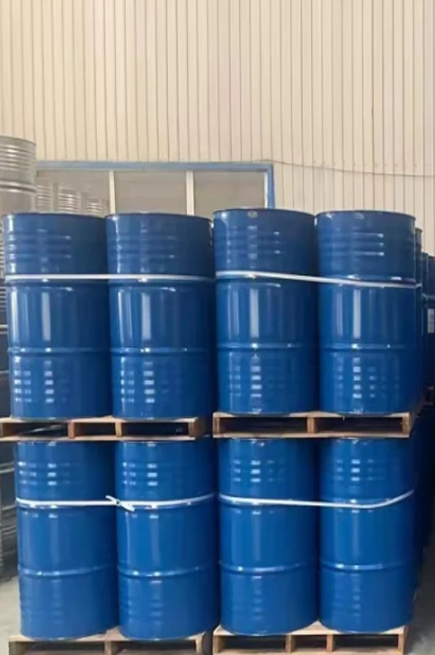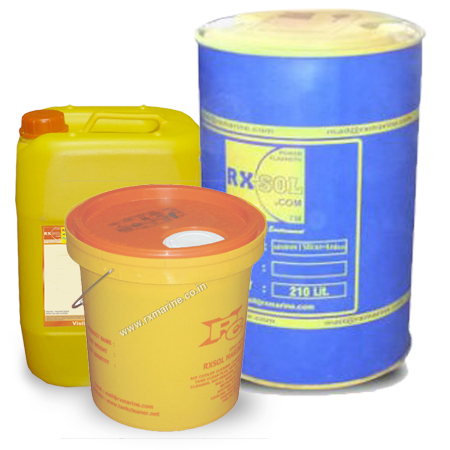
Coolant Extended Life RXSOL ELC

Suitable for high speed coolant pump, Especially useful in preventing cavitation corrosion in high speed coolant pumps having aluminum housing and impellers. This could aid service life.


SKU: RXSOL-16-4016-210 Category:

Description

Specialized for high speed coolant pumps , RXSOL ELC is a blend of organic compound along with 3 to 15% benzotriazole is especially useful in preventing cavitation corrosion in high speed coolant pumps having aluminum housing and impellers. This could aid service life.







Product Details

Application

Coolant Extended Life RXSOL ELC is a high-performance coolant and corrosion inhibitor. It is based on extended-life organic acid Carboxylate technologies and environmentally biodegradable ingredients.

Applications
• Automotive and transport engines
• Construction, earthmoving, mining and quarrying equipment
• Marine engines
• Stationary power generation engines
• High temperature aluminium engine blocks
• Inhibitor package for central heating systems, hydraulic safety fluids and
mining fluids

Dosage & Procedure

Coolant Extended Life RXSOL ELC should be mixed at 7.5% by volume with water.
Recommended maximum service intervals, using 7.5% volume with water:
• Passenger car & light truck commercial vehicles: 250,000 km or 5 years
• Heavy-duty diesel, on-road: 600,000 km or 4 years
• Heavy-duty diesel, off-road: 8,000 hours or 4 years
• Stationary power generation & marine engines: 32,000 hours

Technical Specifications

Boiling protection with 15 psi (1 bar) radiator cap

50% Rxsol ELC/50% water 

60% Rxsol ELC/40% water (RXSOL ELC concentrate added)

129°C (265°F)

132°C (270°F)

Freezing protection

50% Rxsol  ELC/50% water

60% Rxsol ELC/40% water (ELC concentrate added

-37°C (-34°F)

-52°C (-62°F)

Nitrite (50% solution)

500 ppm

Molybdate (50% solution)

530 ppm

Notes & Precautions

Factory-Fill-Used as standard factory-fill for all Cat machine cooling systems. It is suitable for use in automotive, marine, stationary and power generation cooling systems where glycol-based antifreeze coolants are not required.

Lower Maintenance Costs-Reduces engine coolant and additive costs by as much as 500% compared to conventional coolants.  It eliminates the need for supplemental coolant

additives, extends coolant-change-out intervals and reduces disposal requirements.

Advanced Metal Protection-Incorporates an advanced formula technology with organic

Acid additive corrosion inhibitors, such as a combination of mono and dicarboxylates for maximum protection of copper, solder, brass, steel, cast iron and aluminium.

Generic / Chemical Name

Coolant with Corrosion Inhibitor

Supply Locations

Coolant Extended Life RXSOL ELC manufacturer supplier distributor in Mumbai, Kandla, Kolkata, Vizag, Chennai, India, Fujairah, Dubai UAE, Muscat Oman, Kenya Africa. Get the best quality of Coolant Extended Life RXSOL ELC at a competitive price from us. We have ready stock of Coolant Extended Life RXSOL ELC in India, UAE Gulf, Oman, Kenya Africa. Contact us for bulk as well as small orders.

Safety Data (MSDS)

Product Name RXSOL-16-4016-210
Product Type RXSOL ELC Extended Life Coolant

Company Details:

RX MARINE INTERNATIONAL
105, A wing , BSEL , TECH PARK.
VASHI ,NEW BOMBAY 400703 INDIA

Stock Point : Mumbai, Kandla, Kolkata, Chennai, Vizag, Fujairah, Muscat, Nairobi

Phone +91 22 65113333 / 5555 / 9999
Fax +91 22 2781 1318 :::AOH :0091 9821214367
Email mail@rxmarine.com

      Components       Cas Number             Amount
Benzotriazole Mixtrue ---------------- 5-15 % Weight
Ethylene Glycol 107-21-1   35-50 % Weight
Potassium 3164-85 - 0 1-5 % Weight

Diethylene Glycol

111-46-6 1-5 % Weight
Sodium 2-Ethylhexanoate 19766-89-3 5-9 % Weight
SEBACIC ACID RXSOL-60-6605-405     

5 to 15% Benzotriazole mixture is especially useful in preventing cavitation corrosion in high speed coolant pumps having aluminum housing and impellers. This could aid service life. While presence of Sodium 2-Ethylhexanoate enhance thermal stability of Coolant

Emergency Overview
- May be harmful or fatal if swallowed
- Harmful or harmful or fatal if swallowed
- Causes eye irritation
- Contains material that may cause adverse reproductive effects based  on animal data- Possible birth defect hazard
- contains material that may cause birth defects based on animal data
- May cause damage to
- Kindney

IMMEDIATE HEALTH EFFECTS
Eye:Conntact with the eyes cauases irrition. m.Symptoms may incude pain,tearing swelling and impaired vision.
SKIN:- Contect with the skin is not expected to cause prolonged or significants irrition. Not expeccted to be Harrmful to internal orgens if through the skin.
Inggestion :Toxic ,may be harmful or fatal if swallowed
Inhaltion:-Thevapor or fumes from this material may cause respairation irritation .Symptoms of concentration above the recommended exposure
limits may cause  entral nervous system effects . Central nervous system effects may enclude headache , dizziness , nausea,nausea,vomiting ,weakness,
loss of coordination, blurred vision,drowsiness,confusion ,or disorientation. At extrem exposures, central nervos system effects may incude respiratory
despression .loss of consciousness , coma or death

DELAYED OR OTHER HEALTH EFFECTS
Reproduction and Birth Defects :-Contans material that may cause adverse reprodective effects based on animal data . Contain material that may be
harmfull to the devaloping  fetus based on animals data.

Target Orgens:-Contains materials that may cause Dmege to the following orgen (s) follwing repeated ingestion based on animal data : Kidney
Sea Section 11 for additional informartion . Risk Depends and level of exposure .
 

Eye:-Flush eyes with water immedietely while white holding the eyelids open. Remove contect lenses , if worn ,after initial fluyshing , and contineue
flushing for at least 15 minutes . Get medical attention if irritation persists.
Skin:-To remove the material from skin , use soap and water . discard contaminated clothing and shoes .
or throghly clean before reuse.
Ingestion :-If swallowed ,get immediete medical attention .Do not induce vominting Never given any thing By mouth an unconscious persion .
Inhalation:-Move the exposed persons to fresh air .if not bresthing ,given artifical respirration .if breathing is diffcult, give oxygen. get medical attention if breathing dificultes continue.
 

FIRE CLASSIFICATION:
OSHA CLASSFICATION (29 CFR 1910.1200):Not classified by OSHA as mlammable or combustible.
NEPA RATINGS :             Health : 2         Flammability : 0         Reactivity : 0
Flammable Properties :
Flashpoint : NA
Aotoignition : NDA
Flammability (Explosive ) Limits (% by vollume in air ) : Lower : NA Upper :  NA
EXTINGUSISHING MEDIA : dry Chemical, Co2,AFFF From or acohol resistants From
PROTECTION OF FIRE FIGHTERS:
Fire Fighting Instructons: For Fires Invoiling This material,do not enter any enclosed or confiened fire
space without proper protective equipment , including self - containedbreathing apparatus.
Combustion Products :Highly dependent on combution condition , Acomplex mixture of airbrone solids,liquids.and gases including carbon
monoxide,and unidentified organic compounds will be evolved when this material undergoes combustion. Combustion may form oxides of Potassium.


Spill Management

Stop the source of the release if you can do it with out risk. Contain release to prevent further contamination of soil, surface water or groundwater. Clean up spill as soon as possible, observing precaution in Exposure Controls / Personal Protection. Use appropriate techniques such as applying non-combustible materials or pumping. Where feasible and appropriate, remove contaminated soil. Place contaminated materials in disposable containers and dispose of in a manner consistent with applicable regulations. 

Reporting   

Report spills to local authorities and / or the U.S. Cost Guard's National Response Center at (800) 424 - 8802 as appropriate or required.


 Precautionary Measures

 Do not get in eyes.Do not taste or swallow. Wash thoroughly after handling. Do not breathe vapor or fumes.

 General Handling Information

 Do not taste or swallow antifreeze or solution. Keep out of the reach of childrean and animals.

 General Storage Information

 Do not store in open or unlabeled containers.

 Container Warnings

 Container is not designed to contain pressure. Do not use pressure to empty container or it may rupture with explosive force. Empty containers retain product residue (solid, liquid, and / or vapor) and can be dangerous. Donot pressurize, cut, weld, braze, solder, drill, grind, or expose such containers to heat, flame, sparks, static electricity, or other sources of ignition. They may explode and cause injury or death. Empty containers should be compltely drained, properly closed, and promptlyreturned to a drum reconditioner or disposed of properly.


General Considerations Consider the potential hazareds of this material (see Section, applicable exposure limits, job activities, and other substances in the work place when designing engineering controls and selecting personal protective equipment. If engineering controls or work practices are not adequate to prevent exposure to harmful levels of this material, the personal protective equipment listed below is recommended. The user should read and understand all instructions and limitations supplied with the equipment since protection is usually provided for a limited time or under certain circumstances.
Engineering Controls Use process enclosures, local exhaust ventilation, or other engineering controls to controls to control airborne levels below the recommended exposure limits.
Personal Protective Equipment Eye / Face Protection : Wear protective equipment to prevent eye contact. Selection of protective equipment may include safety glasses, chemical goggles, face shields, or a combination depending on the work operations conducted.

Skin Protection : No special protective clothing is normally required. Where splashing is possible, select protective clothing depending on operations conducted, physical requirements and other substances in the workplace Suggested materials for protective gloves include : Naturl rubber, Neoprene, Nitrile Rubber, Polyvinyl Chloride (PVC or Vinyl).

Respiratory Protection : Determine if airborne concentrations are below the recommended exposure limits. If not, wear an approved respirator that provides adequate protection from measured concentrations of this material, such as : Air-Purifying Respirator for Organic Vapors, Dusts and Mists. Use a positive pressure air-supplying respirator in circumstances where air-purifying respirators may not provide adequate protection.

Occupational Exposure Limits :

Component Limit TWA STEL Ceiling Notation
Ethylene Glycol ACGIH - TLV     100 mg / m3  
Ethylene Glycol OSHA - PEL     125 mg / m3  
Ethylene Glycol ACGIH     39.4 ppm (weight)  


 Attention : The data below are typical values and do not constitute a specification.

Color Red
Physical State Liquid
Odor NDA
pH 8.1 - 8.9
Vapor Pressure NDA
Vapor Density (Air = 1) 2.1
Boiling Point 228 0F (109 C)
Solubility Miscible
Freezing Point -34 0F (-37 C)
Melting Point NDA
Specific Gravity 1 - 1.5 @ 15.6 0C
Viscosity < 20 cSt @ 40 0C

Chemical Stability This material is considered stable under normal ambient and anticipated storage and handling conditions of temperature and pressure. 
Incompatibilty With Other Materials  May react with strong oxidizing agents, such as chlorates, nitrates, peroxides, etc.
Hazardous Decomposition Products  Aldehydes (Elevated temperatures)
Hazardous Polymerization  Hazardous polymerization will not occur.


 Immediate Health Effects

Eye Irritation The eye irritation hazard is based on evaluation of data for similar materials or product componets.
Skim Irritation The skin irritation hazard is based on evaluation of data for similar materials or product componets.
Skin Sensitization No product toxicology data available.
Acute Dermal Toxicity The acute dermal toxicity hazard is based on evaluation of data for similar materials or product componets.
Acute Oral Toxicity The acute oral toxicity hazard is based on evaluation of data for similar materials or product componets.
Acute Inhalation Toxicity The acute inhalation toxicity hazard is based on evaluation of data for similar materials or product componets.

Additional Toxicology Information :

This product contains ethylene glycol. (EG). The toxicity of EG via inhalation or skin contact is expected to be slight at room temperature. The estimated oral lethal dose is about 100 cc (3.3 oz.) for an adult human. Ethylene glycol is oxidized to oxalic acid which results in the deposition of calcium oxalate crystals mainly in the brain and kidneys. Early signs and symptoms of EG poisoning may resemble those of alcohol intoxication. Later, the victim may experience nausea, vomiting, weakness, abdominal and muscle pain, difficulty in breathing and decreased urine output. When EG was heated above the boiling point of water, vapors formed which reportedly caused unconsciousness, increased lymphocyte count, and a rapid, jerky movement of the eyes in persons chronically exposed. When EG was administered orally to pregnant rats and mice, there was an increase in fetal deaths. Some of these effects occurred at doses that had no toxic effects on the mothers. We are not aware of any reports that EG causes reproductive toxicity in human beings.

2 - Ethylhexanoic acid (2-EXA) caused an increase in liver size and enzyme levels when repeatedly administered to rats via the diet. When administered to pregnant rats by gavage or in drinking water, 2-EXA caused teratogenicity (birth defects) and delayed postnatal development of the pups. Additionally, 2-EXA impaired female fertility in rats, Birth defects were seen in the offspring of mice who were administered sodium 2-ethylhexanoate via intraperitoneal injection during pregnancy.

This product contains diethylene glycol (DEG). The estimated oral lethal dose is about 50 cc (1.6 oz) for an adult human. DEG has caused the following effects in laboratory animals : liver abnormalities, kidney damage and blood abnormalities. It has been suggested as a cause of the following effects in humans : liver abnormalities, kidney damage, lung damage and central nervous system damage. 


Ecotoxicity The toxicity of this material to aquatic organisms has not been evaluated. Consequently, this material should be kept out of sewage and drainage systems and all bodies of water
Environmental Fate This material is expected to be readily biodegradable.


  Use material for its intended purpose or recycle if possible. This material, if it must be discarded, may meet the criteria of a hazardous waste as defined by US EPA under RCRA (40 CFR 261) or other State and local regulations. Measurement of certain physical properties and analysis for regulated components may be necessary to make a correct determination. If this material is classified as a hazardous waste, federal law requires disposal at a licensed hazardous waste  disposal facility.


 The description shown may not apply to all shipping situations. Consult 49 CFR, or appropriate Dangerous Goods Regulations (e. g. technical name) and modespecific or quantity-specific shipping requirements.

Dot Shipping Name Not regulated as a hazardous material for transportation under 49 CFR
Dot Hazard Class Not applicable
Dot Identification Number Not applicable
Dot Packing Group Not applicable


Sara 311 / 312 Categories

Immediate (Acute) Health Effects Yes
Delayed (Chronic) Health Effects Yes
Fire Hazard No
Sudden Release of Pressure Hazard No
Reactivity No

Regulatory Lists Searched :
4 = 11 = IARC Group 1                                            15 = SARA Section 313
4 =12 A = IARC Group 2A                                      16 = CA Proposition 65
4 =12 B = IARC Group 2B                                      17 = MA RTK
05 = NTP Carcinogen                                              18 = NJ RTK
06 = OSHA Carcinogen                                           19 = DOT Marine Pollutant
09 = TSCA 12 (b)                                                       20 = PA RTK

The following components of this material are found on the regulatory lists indicated.

Ethylene Glycol                                                      15, 17, 18, 20

Cercla Reportable Quantities (RQ) Sara 302 Threshold Planning Quantities (TPQ) :

Component Component RQ Component TPQ Product RQ
Ethylene Glycol 5000 lbs None 10963 lbs

 Chemical Inventories :
Canada : One or more components of this product are not on the Domestic Substances List (DSL). Volume tracking or notification by the Canadian Importer of Record may be required.
European Union : All the components of this material are in compliance with the EU Seventh Amendment Directive 92 / 32 / EEC

United States : All of the componets of this material are on the Toxic Substances Control Act (TSCA) Chemical Inventory.
New Jersey RTK Classification :
Refer to components listed in Section 2.
WHMIS Classification :
Class D, Division 1, Subdivision B : Toxic Material -
Acute Lethality
Class D, Division 2, Subdivision A : Very Toxic Material -
Chronic Toxic Effects
Teratogenicity and Embryotoxicity
Reproductive Toxicity
Class D, Division 2, Subdivision B : Toxic Material -
Chronic Toxic Effects
Skin or Eye Irritation
 

NFPA RATINGS :                             Health : 2                          Flammability : 0                Reactivity : 0
HMIS RATINGS :                              Health : 2                          Flammability : 0                Reactivity : 0
(0 - Least, 1- Slight, 2 - Moderate, 3 - High, 4 - Extreme, PPE : - Personal Protection Equipment Index recommendation, - Chronic Effect Indicator). These values are obtained using the guidelines or published evaluations prepared by the National Fire Protection Association (NFPA) or the National Paint and Coating Association (for HMIS ratings)
Revision Statement : This revision updates the following sections of this Material Safety Data Sheet : 1, 2, 3, 15
 

Abbreviations That May Have Been Used In This Document :
TLV                   Threshold Limit Value                        TWA                       Time Weighted Average
STEL                  Short-terms Exposure Limit            PEL                         Permissible Exposure Limit
                                                                                           CAS                       Chemical Abstract Service Number
NDA                   No Data Available                                NA                         Not Applicable
=                          Greater Than or Equal To

DISCLAIMER OF LIABILITY :The information in this SDS was obtained from sources which we believe are reliable. However, the information is provided without any warranty, express or implied, regarding its correctness. The conditions or methods of handling, storage, use or disposal of the product are beyond our control and may be beyond our knowledge. For this and other reasons, we do not assume responsibility and expressly disclaim liability for loss, damage or expense arising out of or in any way connected with the handling, storage, use or disposal of the product. This MSDS was prepared and is to be used only for this product. If the product is used as a component in another product, this MSDS information may not be applicable.


top