Phosphoric Acid

Pure phosphoric acid is colorless, odorless and has sour odor. Phosphoric acid is Soluble in water and ethanol. Easily absorb moisture. Easy to be crystallized under cold condition for long time.

Description

Phosphoric acid is classified as weak acid as Phosphoric acid undergoes partial dissociation in water solution as it does not fully dissociate into H+ (H3O+) and the dihydrogen phosphate ion when dissolved in water and producing a low concentration of hydrogen ions . So, Phosphoric acid is a weak acid .

Phosphoric acid chemical formula is H ₃PO ₄. Orthophosphoric acid refers to phosphoric acid. 

Phosphoric Acid Supplier in India, Dubai Middle East, Muscat Oman, Kenya Nairobi Africa, Canada







Product Details

Application

FIELDS :
Used as a Pre-Metal Treatment Chemicals
Sugar Refining
Anodising
Very Good Stabilising Agent for Hydrogen Peroxide
Waste Water Treatment Chemicals
Activated Carbon
Soaps and Detergents
Tea-leaf Processing

Dosage & Procedure

Phosphoric Acid also used as clarifying agent or acidulants for good and drink, yeast nutrients, also use in food grade phosphate production.

Technical Specifications


PRODUCT NAME : PHOSPHORIC  ACID
CAS number : 7664-38-2
UN number : 1805
Formula : H3PO4
Odour :  
Solubility in water : COMPLETE , ( 5.48 g/mL )
Density : 1.834   at         OC
Boiling point : 213  OC
Melting point : 42  OC
Viscosity :  147 cP (100 %)
Flashpoint :  
Explosive limits :  
Vapour pressure : 0 mbar at 20     OC
Skin absorption/irritation : YES
TLV       Country  NL                  Year  1995 : ppm                 1          mg/m3
Pollution category  1994 : D

Properties :
- Molecular formula: H3PO4
- Molar mass : 98.00 g/mol
- Appearance : white solid or colourless, viscous liquid (>42 °C)
- Density : 1.885 g/mL (liquid)1.685 g/mL (85 % solution)2.030 g/mL (crystal at 25 °C)
- Acidity (pKa): 2.148, 7.198, 12.375

Notes & Precautions

International quality  86% pure Chemical.

Specification:
•H3P04 Concentration % : 86.00
•P205 % : 62.30
•Iron as Fe ppm : 10.00 max.
•Sulphate as SO4 ppm : 250.00 max.
•Chloride as Cl ppm : 10.00 max.
•Flouride as F ppm: 60.00 max.
•Ca as Mg ppm : 10.00 max.
•Heavy Metals as Pb(Lead) ppm: 10.00 max.
•Arsenic as As ppm : 1.00 max.
•Colour : Water white

Packings:
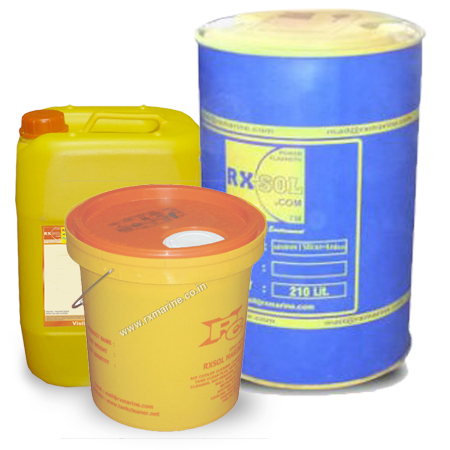
•30 Kg / 50 Kg HM-HDPE Carboys
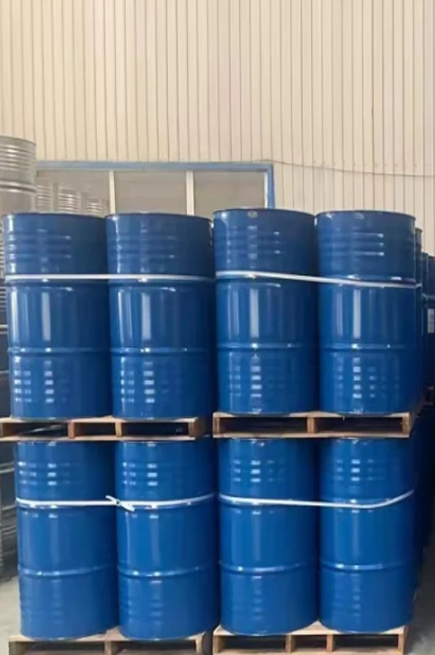
•300 Kg HM-HDPE Barrels

Active Matter

85

Generic / Chemical Name

Orthophosphoric acid

Areas of Use

Product description:
Specifications 85% phosphoric acid
1packing:35kgs/330kgs/IBC
Specification Of Phosphoric Acid Assay 85% min Color 20 max Chloride as Cl 10ppm max Sulfate as Fe 30ppm max Iron as Fe 20ppm max Arsenic as As 1ppm max Heavy Metal as Pb 5ppm max Fluorine as F 10ppm max H3PO3 120ppm max National Standard No. GB 3149-2004

Package: In 35KG blue or white plastic drum, 330KG plastic drum,IBC drum ,or in ISO TANK. IBC : 25.6MT/16 IBCS/20'FCL(PA75%-86%) 25.2MT/14 IBCS/20'FCL(PPA95%-125%) 330KG: 25.08MT/76 DRUMS/20'FCL 35 KG: 25.9MT/740 DRUMS/20'FCL

Usage: Use as clarifying agent or acidulants for good and drink, yeast nutrients, also use in food grade phosphate production.
Storage: Kept in a light-proof,well-closed,cool and dry place.
Service system:
1.Mixed container service. We can mix different items in one container for you.
2.Quality control service.we'll take free sample for test before shippment,and after shipment,keep sample at least for three months.
3.Packing service.Packging as your request,with photo before shipment.
4.Professional loading service.we'll provide you with professional loading,after shipment,we check the container,take pictures and make records.

Our advantages:
1.We have full experience of large numbers containers loading
2.We have complete phosphoric acid,polyphosphoric acid production lines.
3.We can pack with pallet as buyer's special request
4.We provide fast shipment by reputed shipping line
5.Cargoes photo before and after loading into container


Synonyms:

orthophosphoric acid;Anhydrous phosphoric acid;

Supply Locations

Phosphoric Acid exporter and importer in Nairobi Kenya Africa, Fujairah Dubai, Sharjah, Abudhabi, Ajman, DUbai UAE Middle East, Muscat Galla, Sohar, BArka Oman, Mumbai, Kandla, Chennai, Kolkata, Vizag, Surat, Canada

Industry Applications

When PHOSPHORIC ACID can be used :
Phosphoric Acid is used as fertilizer ::: It is important, what the soil in your yard (field). If the pH is 6,5 -7, then everything is fine. But for acidic soil if pH < 6, avoid uses of phosphoric acid will increase the acidication of soil, which can damage most crops. In this case it is possible to add sodium carbonate or potassium carbonate.
DOSE of Phosphoric Acid : 
Apply the H3PO4 can be a fertilizer of different cultures. If the acid is concentrated, the dosage should be no more than 18 g per 10 liters of water. 

GENERAL GUIDE LINE :
When fertilizer input with irrigation water, maximum allowable 
concentration of nutrients in the water should not exceed to 0.5% of Nitrogen fertilizer, for Phosphate - 2%  and  Potash - 3%. For  complex solutions content of nutrients - less than 1%.
The mineralization of the fertilizer solution, which is fed into the soil, should not exceed 3 g / l  at the introduction of a single component, and 8 g / l at the introduction of two or three-component fertilizers. The total amount should not exceed 1-1.2 kg fertilizer per 1000 liters of water.

Safety Data (MSDS)

Product Name RXSOL-19-1105-330
Product Type Phosphoric Acid

Company Details:

RX MARINE INTERNATIONAL
105, A wing , BSEL , TECH PARK.
VASHI ,NEW BOMBAY 400703 INDIA

Stock Point : Mumbai, Kndla, Kolkata, Chennai, Vizag, Fujairah, Muscat

Phone +91 22 65113333 / 5555 / 9999 / 27611360
Fax +91 22 2781 1318 :::AOH :0091 9821214367
Email mail@rxmarine.com


Name                                CAS #                                           % by Weight
Phosphoric Acid             7664-38-2                                          85-88
Water                                7732-18-5                                          10-12
Corrosion Inhibitor         NA                                                         3 - 5
Toxicological Data on Ingredients: Phosphoric Acid: ORAL (LD50): Acute: 1530 mg/kg [Rat]. DERMAL (LD50): Acute: 2740 mg/kg [Rabbit]. DUST (LC50): Acute: >850 mg/m 1 hours [Rat].

Potential Acute Health Effects:
Very hazardous in case of skin contact (irritant), of eye contact (irritant), of ingestion, . Hazardous in case of skin contact :(corrosive, permeator), of eye contact (corrosive). Slightly hazardous in case of inhalation (lung sensitizer). Liquid or spray mist may produce tissue damage particularly on mucous membranes of eyes, mouth and respiratory tract. Skin contact may produce burns. Inhalation of the spray mist may produce severe irritation of respiratory tract, characterized by coughing, choking, or shortness of breath. Severe over-exposure can result in death. Inflammation of the eye is characterized by redness, watering, and itching. Skin inflammation is characterized by itching, scaling, reddening, or, occasionally, blistering.
Potential Chronic Health Effects:
CARCINOGENIC EFFECTS: Not available.
MUTAGENIC EFFECTS: Not available.
TERATOGENIC EFFECTS: Not available.
DEVELOPMENTAL TOXICITY: Not available. The substance may be toxic to blood, liver, skin, eyes, bone marrow. Repeated or prolonged exposure to the substance can produce target organs damage. Repeated or prolonged contact with spray mist may produce chronic eye irritation and severe skin irritation. Repeated or prolonged exposure to spray mist may produce respiratory tract irritation leading to frequent attacks of bronchial infection. Repeated exposure to a highly toxic material may produce general deterioration of health by an accumulation in one or many human organs.

Eye Contact:
Check for and remove any contact lenses. In case of contact, immediately flush eyes with plenty of water for at least 15 minutes. Cold water may be used. Get medical attention immediately.
Skin Contact:
In case of contact, immediately flush skin with plenty of water for at least 15 minutes while removing contaminated clothing and shoes. Cover the irritated skin with an emollient. Cold water may be used.Wash clothing before reuse. Thoroughly clean shoes before reuse. Get medical attention immediately.
Serious Skin Contact:
Wash with a disinfectant soap and cover the contaminated skin with an anti-bacterial cream. Seek immediate medical attention.
Inhalation:
If inhaled, remove to fresh air. If not breathing, give artificial respiration. If breathing is difficult, give oxygen. Get medical attention immediately.
Serious Inhalation:
Evacuate the victim to a safe area as soon as possible. Loosen tight clothing such as a collar, tie, belt or waistband. If breathing is difficult, administer oxygen. If the victim is not breathing, perform mouth-to-mouth resuscitation.
WARNING: It may be hazardous to the person providing aid to give mouth-to-mouth resuscitation when the inhaled material is toxic, infectious or corrosive. Seek immediate medical attention. Ingestion: Do NOT induce vomiting unless directed to do so by medical personnel. Never give anything by mouth to an unconscious person. If large quantities of this material are swallowed, call a physician immediately. Loosen tight clothing such as a collar, tie, belt or waistband.
Serious Ingestion: Not available.

Flammability of the Product: Non-flammable.
Auto-Ignition Temperature: Not applicable.
Flash Points: Not applicable.
Flammable Limits: Not applicable.
Products of Combustion: Not available.
Fire Hazards in Presence of Various Substances: of metals Explosion Hazards in Presence of Various Substances: Non-explosive in presence of open flames and sparks, of shocks.
Fire Fighting Media and Instructions: Not applicable.
Special Remarks on Fire Hazards: Reacts with metals to liberate flammable hydrogen gas. Formation of flammable gases with aldehydes, cyanides, mercaptins, and sulfides.
Special Remarks on Explosion Hazards: Mixtures with nitromethane are explosive. (Phosphoric Acid)

Small Spill:
Dilute with water and mop up, or absorb with an inert dry material and place in an appropriate waste disposal container. If necessary: Neutralize the residue with a dilute solution of sodium carbonate.
Large Spill:
Corrosive liquid. Poisonous liquid. Stop leak if without risk. Absorb with DRY earth, sand or other non-combustible material. Do not get water inside container. Do not touch spilled material. Use water spray curtain to divert vapor drift. Use water spray to reduce vapors. Prevent entry into sewers, basements or confined areas; dike if needed. Call for assistance on disposal. Neutralize the residue with a dilute solution of sodium carbonate. Be careful that the product is not present at a concentration level above TLV. Check TLV on the MSDS and with local authorities.

Handling Do not breath , Handle with care
Storage General Storage , Keep container tightly closed and dry . Avoid contact with bases and oxidizers . 
Methods of cleaning Flush Spill Area with Water
NOTE     Keep Container Tightly Closed 

Engineering Controls:
Provide exhaust ventilation or other engineering controls to keep the airborne concentrations of vapors below their respective threshold limit value. Ensure that eyewash stations and safety showers are proximal to the work-station location.
Personal Protection:
Face shield. Full suit. Vapor respirator. Be sure to use an approved/certified respirator or equivalent. Gloves. Boots.
Personal Protection in Case of a Large Spill: Splash goggles. Full suit. Vapor respirator. Boots. Gloves. A self contained breathing apparatus should be used to avoid inhalation of the product. Suggested protective clothing might not be sufficient; consult a specialist BEFORE handling this product.
Exposure Limits:
Phosphoric Acid TWA: 1 STEL: 3 (mg/m3) from ACGIH (TLV) [United States] TWA: 1 STEL: 3 (mg/m3) from OSHA (PEL) [United States] TWA: 1 STEL: 3 (mg/m3) from NIOSH TWA: 1 STEL: 3 (mg/m3) [Mexico]Consult local authorities for acceptable exposure limits.

Physical state and appearance: Liquid. (Syrupy liquid Viscous liquid.)
Odor: Odorless.
Taste: Acid.
Molecular Weight: Not applicable.
Color: Clear Colorless.
pH (1% soln/water): Acidic.
Boiling Point: 158°C (316.4°F)
Melting Point: 21°C (69.8°F)
Critical Temperature: Not available.
Specific Gravity: 1.685 @ 25 C (Water = 1)
Vapor Pressure: 0.3 kPa (@ 20°C)
Vapor Density: 3.4 (Air = 1)
Volatility: Not available.
Odor Threshold: Not available.
Water/Oil Dist. Coeff.: Not available.
Ionicity (in Water): Not available.
Dispersion Properties: See solubility in water.
Solubility: Easily soluble in hot water. Soluble in cold water.

Stability: The product is stable.

Instability Temperature: Not available.
Conditions of Instability: Incompatible materials
Incompatibility with various substances: Reactive with oxidizing agents, combustible materials, metals,alkalis.
Corrosivity: Extremely corrosive in presence of copper, of stainless steel(304), of stainless steel(316). Highly corrosive in presence of aluminum. Non-corrosive in presence of glass.
Special Remarks on Reactivity:
Reacts with metals to liberate flammable hydrogen gas. Incompatible with sodium tetrahydroborate producing a violent exothermic reaction. Heat generated with: alcohols, glycols, aldehydes, amides, amines, azo-compounds, carbamates, caustics, esters, ketones, phenols and cresols, organophosphates, epoxides, combustible materials, unsaturated halides, organic peroxides. Formation of flammable gases, with aldehydes, cyanides, mercaptins, and sulfides. Formation of toxic fumes with cyanides, fluorides, halogenated organics, sulfides, and organic peroxides. Do not mix with solutions containing bleach or ammonia. Incompatible with nitromethane, chlorides + staiinless steel. (Phosphoric Acid)
Special Remarks on Corrosivity:
Minor corrosive effect on bronze. Severe corrosive effect on brass. Corrosive to ferrous metals and alloys. Polymerization: Will not occur.

Routes of Entry: Absorbed through skin. Dermal contact. Eye contact. Inhalation. Ingestion.
Toxicity to Animals:
Acute oral toxicity (LD50): 1530 mg/kg [Rat]. Acute dermal toxicity (LD50): 2740 mg/kg [Rabbit]. Chronic Effects on Humans: May cause damage to the following organs: blood, liver, skin, eyes, bone marrow.
Other Toxic Effects on Humans: Extremely hazardous in case of inhalation (lung corrosive). Very hazardous in case of skin contact (irritant), of ingestion, .
Hazardous in case of skin contact (corrosive, permeator), of eye contact (corrosive).
Special Remarks on Toxicity to Animals: Not available.
Special Remarks on Chronic Effects on Humans: Not available.
Special Remarks on other Toxic Effects on Humans:
Acute Potential Health Effects: Skin: Corrosive and causes severe skin irritation and can cause severe skin burns. May affect behavior (somnolence or excitement) if absorbed through skin.
Eyes: Corrosive. Liquid or vapor causes severe eye irritation
and can cause severe eye burns leading to permanent corneal damage or chemical conjunctivitis. Ingestion: May be harmful if swallowed. Causes irritation and burns of the gastrointestinal (digestive) tract. Causes severe pain, nausea, vomiting, diarrhea hematemesis, gastrointestinal hemmorrhaging, and shock. May cause corrosion and permanent tissue destruction of there sophagus and digestive tract. May affect behavior and urinary system, liver (hepatocellular damage, hepatic enzymes increased), blood (blood dyscrasia). May also

Ecotoxicity: Not available.
BOD5 and COD: Not available.
Products of Biodegradation: Possibly hazardous short term degradation products are not likely. However, long term degradation products may arise.
Toxicity of the Products of Biodegradation: The products of degradation are less toxic than the product itself.
Special Remarks on the Products of Biodegradation: Not available.

Waste Disposal: Waste must be disposed of in accordance with federal, state and local environmental control regulations.                  

DOT Classification: Class 8: Corrosive material
Identification: : Phosphoric acid (Phosphoric Acid) UNNA: 1805 PG: III
Special Provisions for Transport: Not available.

Federal and State Regulations:
Connecticut hazardous material survey.: Phosphoric Acid Illinois toxic substances disclosure to employee act: Phosphoric acid Illinois chemical safety act: Phosphoric acid New York release reporting list: Phosphoric acid Rhode Island RTK hazardous substances: Phosphoric acid Pennsylvania RTK: Phosphoric acid Minnesota: Phosphoric acid Massachusetts RTK: Phosphoric acid Massachusetts spill list: Phosphoric acid New Jersey: Phosphoric acid New Jersey spill list: Phosphoric acid Louisiana spill reporting: Phosphoric acid California Director's list of hazardous substances: Phosphoric acid TSCA 8(b) inventory: Phosphoric Acid; Water SARA 313 toxic chemical notification and release reporting: Phosphoric acid CERCLA:
Hazardous substances.: Phosphoric acid: 5000 lbs. (2268 kg)
Other Regulations: OSHA: Hazardous by definition of Hazard Communication Standard (29 CFR 1910.1200).
Other Classifications:
WHMIS (Canada): CLASS E: Corrosive liquid.
DSCL (EEC):
R34- Causes burns. S26- In case of contact with eyes, rinse immediately with plenty of water and seek medical advice. S45- In case of accident or if you feel unwell, seek medical advice immediately (show the label where possible).
HMIS (U.S.A.):
Health Hazard: 3
Fire Hazard: 0
Reactivity: 0
Personal Protection:
National Fire Protection Association (U.S.A.):
Health: 3
Flammability: 0
Reactivity: 0
Specific hazard:
Protective Equipment:
Gloves. Full suit. Vapor respirator. Be sure to use an approved/certified respirator or equivalent. Wear appropriate respirator when ventilation is inadequate. Face shield.


The information above is believed to be accurate and represents the best information currently available to us. However, we make no warranty of merchantability or any other warranty, express or implied, with respect to such information, and we assume no liability resulting from its use. Users should make their own investigations to determine the suitability of the information for their particular purposes. In no event shall Rx Marine International be liable for any claims, losses, or damages of any third party or for lost profits or any special, indirect, incidental, consequential or exemplary damages, howsoever arising, even if Rx Marine International has been advised of the possibility of such damages.

DISCLAIMER OF LIABILITY :The information in this SDS was obtained from sources which we believe are reliable. However, the information is provided without any warranty, express or implied, regarding its correctness. The conditions or methods of handling, storage, use or disposal of the product are beyond our control and may be beyond our knowledge. For this and other reasons, we do not assume responsibility and expressly disclaim liability for loss, damage or expense arising out of or in any way connected with the handling, storage, use or disposal of the product. This MSDS was prepared and is to be used only for this product. If the product is used as a component in another product, this MSDS information may not be applicable.

top