Sodium Hypo Chlorite 12-15 Percent

High-test hypochlorite (HTH) is sold for chlorination of WATER

Description

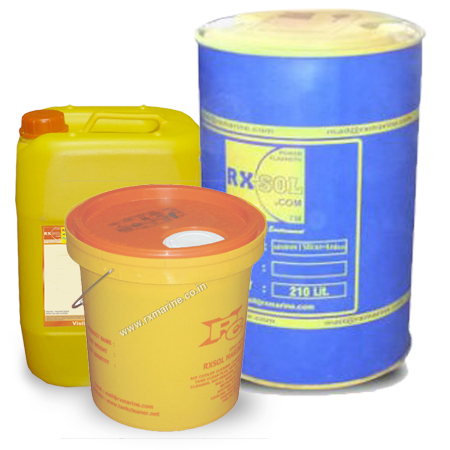
A 12% solution is widely used in waterworks for the chlorination of water and a 15% solution is more commonly used for disinfection of waste water in treatment plants.  And addition of proper detergent into concentrated sodium hypochlorite makes super COAL REMOVER – HOLD WASH. RXSOL group developed such cleaner and supplying world wide more then 30 country. And we have more then 180 satisfied customer for this specialized detergent blended sodium hypochlorites. This product price is very economical in India 36 INR / Ltr and for UAE its price is 3.25 AED / Ltr and US$ price for same coal remover detergent is 1 US$ / Ltr.
 

Chlorine Stabilization

Chlorine gas in water form HOCL which reacts with stabilizer and form N-Chloro-Sulphamic Acid to N-ChloroSufamic Acid more stable and yet has active chlorine.







Product Details

Application

  • Also used as a disinfectant and germicide , especially in the sterilization of water.

  • It is also used for making wool unshrinkable and in the manufactire of chloroform.

  • For the purpose of disinfection and bleaching  , a weak soln. ( 1.2 % ) is used. For purifying water 0.02 to 0 .2 % volumetric is sufficientPotable Water Treatment

  • Aquatics and Pools
  • Odor Control/Corrosion Control
  • Food & Beverage Processing
  • Wastewater Treatment
  • Cooling Towers, Inland Power Stations & Industry
  • Irrigation Systems
  • Agriculture/Farming
     

HANDLING AND STORAGE PRECAUTIONS:

Do not store adjacent to chemicals that may react if spillage occurs. Comply with Oman regulations, when shipped. If closed containers become heated, vent to release decomposition products (mainly oxygen under normal decomposition). Do not mix or contaminate with ammonia, hydrocarbons, acids, alcohol or ethers.

DO NOT REUSE CONTAINERS: Product residues may remain in containers. All labeled precautions MUST be observed. Dispose of container in a manner meeting government regulations.

PRODUCT DISPOSAL:  Product should be completely removed from containers. Material that cannot be used or chemically reprocessed should be disposed of, in a manner meeting government regulations.

Dosage & Procedure

A weak soln. ( 1.2 % ) is used. For purifying water
0.02 to 0 .2 % volumetric is sufficient for Potable Water Treatment

SODIUM HYPOCHLORITE

ACTIVE INGREDIENT:

            Sodium Hypochlorite as Chlorine                           : 15%

            Sodium Hydroxide                                                  :   1%

INERT INGREDIENTS:                                                      : 84%

             Total                                                                         100%           


General formulation to calculate  how much bleach is needed to add to a tank or a pipeline to disinfect it to a given chlorine residual using a given disinfectant. Usually someone wants to know how to meet an AWWA Standard (like C651-92, Disinfection of Water Mains). The equation below should be used to estimate the amount of sodium / Calcium hypochlorite (Chlorine Water is 6.00% sodium hypochlorite) needed to disinfect a given quantity of water to a desired chlorine concentration. 

                                                                        req'd residual in ppm
  Valume of hypo  =  volume of water  x  (  ----------------------------- )
                                                                           1,000,000 x hypo %

For example , say you had installed a new 5,000 gallon tank and wanted to make sure that you had at least a 100 ppm solution of chlorine in it.

How much 6.00% Hypochlorite would you need to add  ?

  • (5,000 gal x 100 ppm) / (1,000,000 x .06) = 8.33 gallons

How much 12% Hypochlorite solution would you need ?

  • (5,000 gal x 100 ppm) / (1,000,000 x .12) = 4.17 gallons

If you use calcium hypochlorite (the white, powder version of chlorine, like HTH pool cleaner), the equation becomes:

                                                                                                              req'd residual in PPM
Wgt. of Calcium Hypo (lbs)= gal of water x 8.33 lb / gal m x   ( ----------------------------- )
                                                                                                               1,000,000 x hypo %

  • This is simply the previous equation multiplied by the conversion factor of 8.33 pounds per gallon of water.

Let's assume that we still need to disinfect 5,000 gallons at 100 ppm.

How many pounds of 65% calcium hypochlorite (HTH pool cleaner) are needed?

  • (8.33 lbs/ gal. x 5,000 gal x 100 ppm) / (1,000,000 x .65) = 6.4 pounds

Technical Specifications

12.5% wt. SODIUM HYPOCHLORITE - EXTRA - PURE

Parameters Specification Range Typical

Sodium Hypochloriteas NaOCl (%wt)

12.5 - 13.2 13.0
Available Chlorine (%wt) 11.9 - 12.6 12.4
Available Chlorine (%vol) 14.3 - 15.3 15.0
Available Chlorine grams/liter 143 - 153 150
Excess Caustic (%wt) 0.25 - 0.80 0.30
Specific Gravity @ 60°F 1.197 - 1.220 1.210
pH 12.0 - 13.0 12.50
Iron (Fe) ppm <0.5 0.05
Nickel (Ni) ppm <0.2 0.02
Copper (Cu) ppm <0.2 0.05
Mercury (Hg) ppb 0.001 - 0.003 0.002
Sodium Chloride (NaCl)% <15.0 12.5

Appearance: Clear greenish-yellow liquid miscible in any proportion with water.
 

Notes & Precautions

High-test hypochlorite (HTH) is sold for chlorination of swimming pools and contains approximately 30% calcium hypochlorite. The crystalline salt is also sold for the same use; this salt usually contains less than 50% of calcium hypochlorite. However, the level of active chlorine may be much higher.


Note : Store in cool place

UN No :  1791
IMDG CLASS : 8

PACKING GROUP : III

ODOUR  : IRRITATING , PUNGENT ODOUR

R31: Contact with acids liberates toxic gases

R34: Causes burns

S-PHRASES

S1/2: Keep locked up and out of the reach of children.

S28: After contact with skin, wash immediately with plenty of water

S45: In case of accident or if you feel unwell, seek  medical advice (show the label where possible)

S50: Do not mix with acids

S50: Do not mix with reducing agents

X2: Restricted to professional users.Warning! Avoid exposure - obtain special instructions before use.

EMERGENCY AND FIRST AID PROCEDURES

EYE:

OBJECT IS TO FLUSH MATERIAL OUR IMMEDIATELY AND THEN SEEK MEDICAL ATTENTION IMMEDIATELY flush eyes with a directed stream of water at least 15 minutes while forcibly holding eye lids apart to ensure complete irrigation of all eye and lid tissue. Washing eyes within one (1) minute is essential to achieve maximum effectiveness. SEEK MEDICAL ATTENTION IMMEDIATELY.

SKIN:

SEEK MEDICAL ATTENTION IMMEDIAELY. Flush thoroughly with cold water under shower while removing contaminated clothing and shoes. CONTINUE TO FLUSH UNTIL MEDICAL ATTENTION ARRIVES. Discard non-rubber shoes. Wash clothing before reuse.

INIIALATION:

Remove to fresh air. If breathing is difficult, have trained person administer oxygen. If respiration stops, give mouth-to-mouth resuscitation. GET MEDICAL ATTENTION IMMEDIATELY.

INGESTION:

           NEVER GIVE ANYTHING BY MOUTH TO AN UNCONSCIOUS PERSON. If swallowed, DO NOT INDUCE VOMITING. Give large quantities of milk or gelatin solution. If these are not available give large quantities of water. If vomiting occurs spontaneously, keep airway clear and give more milk, gelatin solution or water, GET MEDICAL ATTENTION IMMEDIATELY. Avoid vomiting, lavages or acidic antidotes. NOTE TO PHYSICIAN: Sodium Hypochlorite is an alkaline corrosive. For exposure by ingestion do not use emesis, lavages or acidic antidotes. Dilute immediately by giving milk, melted ice cream, beaten egg white, starch paste or antacids such as milk magnesia. Aluminum hydroxide gel or magnesium trisilicate gel. Avoid sodium bicarbonate because of  carbon di-oxide release. Sodium thiosulphate solution may prove beneficial by reducing unreacted material


Other Related PRODUCTS LINKS :

Textile Hypo Bleach , SODIUM HYPO CHLORITE , Sod Hypo Chlorite conc activeCHLORINE , CHLORINE LIQUID , Calcium Hypo Chlorite Conc active Chlorine , Chlorine Tablet cyanurate , Chlorine Tablets Calcium Based , DYE REMOVER ORG DICHLOR , Dechlorination Soln De-Hypo

Active Matter

12 - 15%

Generic / Chemical Name

CAS No:7681-52-9 NaClO

Supply Locations

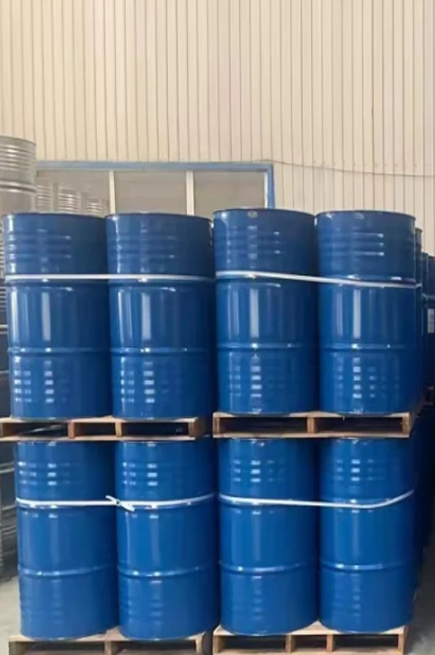
Sodium Hypo Chlorite (12-15%) 250 Kg packing manufacturer and supplier in Gangavaram Visakhapatnam, Chennai Ennore, Haldia Paradip Kolkata Buzbuz, Fujairah UAE Middle East, Mumbai, Hazira, Surat, Gandhidham Mundra, Sohar, Barka, Muscat Oman, Nairobi Kenya Africa, Sudan Yemen, Canada

Safety Data (MSDS)

Product Name : RXSOL-31-3025-210 
Product Type : SODIUM HYPO CHLORITE

Material Identity                                                        
Product Name: SODIUM HYPOCHLORITE                     
General or Generic ID: SALTS
Company Details:

RX MARINE INTERNATIONAL
105, A wing , BSEL , TECH PARK.
VASHI ,NEW BOMBAY 400703 INDIA

Stock Point ::: Kandla, Mumbai, Ennore - Chennai, Visakhapatnam, Kolkata, Fujairah, Muscat Oman, Kenya Africa, Canada

Phone : +91 22 27815540 / 41 / 42
Fax : +91 22 2781 1318 :::AOH :0091 9821214367
Email : mail@rxmarine.com
Website : www.rxmarine.com/

Chemical Name                 CAS No   EC No             Molecular weight                        Formula                   
Sodium Hypochlorite 12 to 15 percent 7681-52-9 231-668-3 74.44 g/mol  ClNaO

Eye   Can cause permanent eye injury.  Symptoms include stinging,tearing, redness, and swelling of eyes. 
Can injure the cornea and  cause blindness.   
 Skin    Can cause permanent skin damage.  Symptoms may include redness, burning, and swelling of skin, burns, and other skin damage. Additional symptoms of skin contact may include:  skin blistering, hair loss, Passage of this material into the body through the skin is possible, but it is unlikely that this would result in harmful effects during safe handling and use.
Swallowing   Swallowing this material may be harmful or fatal.  Symptoms may     include severe stomach and intestinal irritation (nausea, vomiting, diarrhea), abdominal pain, and vomiting of blood.  Swallowing this material may cause burns and destroy tissue in the mouth, throat, and digestive tract.  Low blood pressure and shock may occur as a result of severe tissue injury. 
  Inhalation     It is possible to breathe this material under certain conditions of handling and use (for example, during heating, spraying, or stirring).  Breathing this material may be harmful or fatal.   Symptoms may include severe irritation and burns to the nose, throat, and respiratory tract.
Symptoms of Exposure  
Signs and symptoms of exposure to this material through breathing,  swallowing, and/or passage of the material through the skin may  include:  stomach or intestinal upset (nausea, vomiting, diarrhea)  cough, tight feeling in the chest, difficult breathing, lung edema (fluid buildup in the lung tissue), lung damage, shock, coma, and   death. 
Target Organ Effects  This material (or a component) has been shown to lower activity of  certain immune system cells in experimental animals.  The  significance of this effect with respect to human health is  uncertain.  
Developmental Information  There are no data available for assessing risk to the fetus from maternal exposure to this material. 
Cancer Information  Based on the available information, this material cannot be classified with regard to carcinogenicity.  This material is not listed as a carcinogen by the International Agency for Research on  Cancer, the National Toxicology Program, or the Occupational  Safety and Health Administration. 
Other Health Effects  When combined with an acid or ammonia, sodium hypochlorite may  produce chlorine or chloramine gas, respectively.  Inhalation of these gases results in coughing, choking, difficult breathing, and other symptoms of respiratory tract irritation.  Fluid may collect in the lung tissue following a severe gas exposure. 
Primary Route(s) of Entry    Inhalation, Skin contact, Eye contact.
 

Eyes    If material gets into the eyes, immediately flush eyes gently with water for at least 15 minutes while holding eyelids apart.  If symptoms develop as a result of vapor exposure, immediately move  individual away from exposure and into fresh air before flushing as recommended above.  Seek immediate medical attention. 
Skin   Immediately flush skin with water for at least 15 minutes while  removing contaminated clothing and shoes.  Seek immediate medical  attention.  Wash clothing before reuse and discard contaminated     
shoes.  
Swallowing  Seek immediate medical attention.  Do not induce vomiting.  Vomiting will cause further damage to the mouth and throat.  If  individual is conscious and alert, immediately rinse mouth with  water and give milk or water to drink.  If possible, do not leave individual unattended.
Inhalation If symptoms develop, immediately move individual away from  exposure and into fresh air.  Seek immediate medical attention; keep person warm and quiet.  If person is not breathing, begin artificial respiration.  If breathing is difficult, administer  oxygen. 
Note to Physicians   Preexisting disorders of the following organs (or organ systems)  may be aggravated by exposure to this material:  skin, lung (for example, asthma-like conditions), immune system. 

Flash Point   Not applicable 
Explosive Limit  Not applicable
Autoignition Temperature   No data   
Hazardous Products of Combustion May form:  chlorine
Fire and Explosion Hazards    No special fire hazards are known to be associated with this        
 product.   
Extinguishing Media  Use an extinguishing media appropriate for surrounding fire.. 
Fire Fighting Instructions  Water may be used to keep fire-exposed containers cool until fire  is out.  Wear a self-contained breathing apparatus with a full facepiece operated in the positive pressure demand mode with appropriate turn-out gear and chemical resistant personal  protective equipment.  Refer to the personal protective equipment section of this MSDS.
NFPA Rating  Health - 3, Flammability - 0, Reactivity - 1


Small Spill     Dilute with water and absorb onto a noncombustible absorbent material.  
Large Spill  Prevent run-off to sewers, streams or other bodies of water. If run-off occurs, notify proper authorities as required, that a  spill has occurred.  Collect and add slowly to large volume of  water.  Persons not wearing protective equipment should be excluded from area of spill until clean-up is completed.  Stop spill at source.  Dike to prevent spreading.  Pump to salvage tank. 


Handling  Containers of this material may be hazardous when emptied.  Since emptied containers retain product residues (vapor, liquid, and/or  solid), all hazard precautions given in the data sheet must be   observed.  Emergency eyewash fountains and safety showers should  be available in the immediate vicinity of potential exposure

Eye Protection    Chemical splash goggles and face shield (8" min.) in compliance  with OSHA regulations are advised; however, OSHA regulations also  permit other type safety glasses. (Consult your industrial hygienist.)  
Skin Protection    Wear impervious gloves (consult your safety equipment supplier).  To prevent skin contact, wear impervious clothing and boots.. 
Respiratory Protections   If overexposure has been determined or documented, a NIOSH/MSHA  jointly approved air supplied respirator is advised in absence of  proper environmental control.  OSHA regulations also permit other  NIOSH/MSHA respirators under specified conditions.  (See your safety equipment supplier.)  Engineering or administrative   controls should be implemented to reduce exposure.
Engineering Controls    Provide sufficient mechanical (general and/or local exhaust)  ventilation to maintain exposure below level of overexposure (from  known, suspected or apparent adverse effects).  
Exposure Guidelines    Component    
WATER (7732-18-5)    No exposure limits established 
SODIUM HYPOCHLORITE (7681-52-9)   No exposure limits established   

Boiling Point     (for component) 212.0 F (100.0 C) 
Vapor Pressure      (for component) 17.500 mmHg  
Specific Vapor Density       No data   
Specific Gravity       1.220 - 1.250 @ 68.00 F
Liquid Density     

10.400 lbs/gal @ 68.00 F 1.250 kg/l @ 20.00 C   

Percent Volatiles     87.5% 
Evaporation Rate     SLOWER THAN ETHYL ETHER  
Appearance     No data  
State     LIQUID  
Physical Form     HOMOGENEOUS SOLUTION 
Color     CLEAR TO YELLOW LIQUID   
Odor      CHLORINATED BLEACH ODOR 
pH       13.5   
Solubility in Water     SOLUBLE    


Hazardous Polymerization     Product will not undergo hazardous polymerization.  

No data 

No data

Waste Management Information     Dispose of in accordance with all applicable local, state and federal regulations.    

 DOT Description:     HYPOCHLORITE SOLUTIONS 
NOS Component:      Not applicable    
Not Classified as Dangerous good.    


-------Chemical Inventory Status - Part 1---------------------------------
  Ingredient                                       TSCA  EC   Japan  Australia
  -----------------------------------------------  ----  ---  -----  ---------
  Sodium Hypochlorite (as NaOCl) (7681-52-9)        Yes  Yes   Yes      Yes                                     
  Water (7732-18-5)                                              Yes  Yes   Yes      Yes                                     
 
  --------Chemical Inventory Status - Part 2---------------------------------
                                                          --Canada--
  Ingredient                                       Korea  DSL   NDSL  Phil.
  -----------------------------------------------  -----  ---   ----  -----                

  Sodium Hypochlorite (as NaOCl) (7681-52-9)        Yes   Yes   No     Yes  
Water (7732-18-5)                                              Yes   Yes   No     Yes
 
  --------Federal, State & International Regulations - Part 1----------------
                                             -SARA 302-    ------SARA 313------
  Ingredient                                 RQ    TPQ     List  Chemical Catg.
  -----------------------------------------  ---   -----   ----  --------------
  Sodium Hypochlorite (as NaOCl) (7681-52-9) No    No      No         No
  Water (7732-18-5)                                       No    No      No         No
 
  --------Federal, State & International Regulations - Part 2----------------
                                                        -RCRA-    -TSCA-
  Ingredient                                 CERCLA     261.33     8(d)
  -----------------------------------------  ------     ------    ------
  Sodium Hypochlorite (as NaOCl)             100        No         No         
  (7681-52-9)
  Water (7732-18-5)                                 No         No         No                                                               


The information accumulated herein is believed to be accurate but  is not warranted to be whether originating with the company or  not. Recipients are advised to confirm in advance of need that the information is current, applicable, and suitable to their       circumstances.   

DISCLAIMER OF LIABILITY :The information in this SDS was obtained from sources which we believe are reliable. However, the information is provided without any warranty, express or implied, regarding its correctness. The conditions or methods of handling, storage, use or disposal of the product are beyond our control and may be beyond our knowledge. For this and other reasons, we do not assume responsibility and expressly disclaim liability for loss, damage or expense arising out of or in any way connected with the handling, storage, use or disposal of the product. This MSDS was prepared and is to be used only for this product. If the product is used as a component in another product, this MSDS information may not be applicable.                                                                                     

top