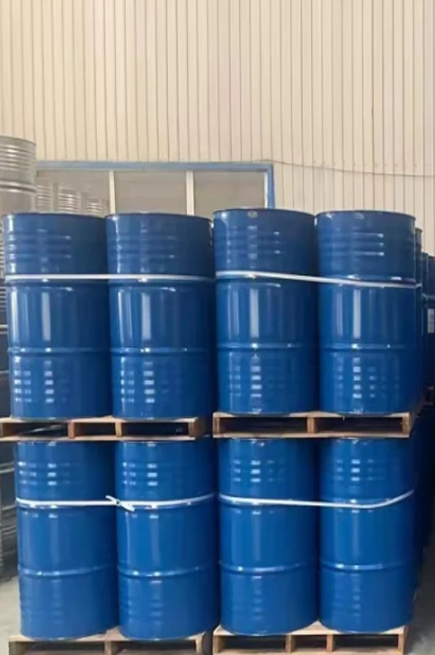
Description
Sodium metasilicate, anhydrous, tech grade manufacturer and supplier in India and Middle East.
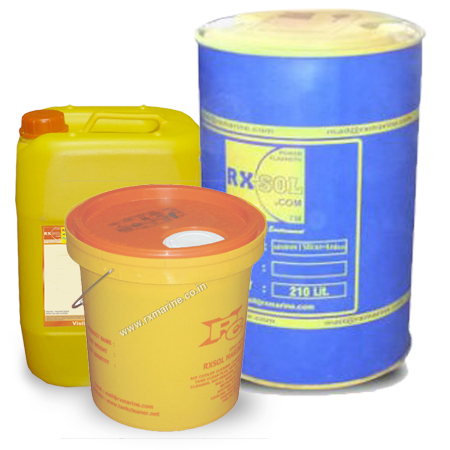
Sodium Meta Silicate as a surfactant, emulsifier, wetting agent, suspending agent, dispersing agent and anti-corrosive agent in boiler water.
Sodium metasilicate, anhydrous, tech grade manufacturer and supplier in India and Middle East.
Non combustible, non toxic, so called water glass, soluble glass or liquid glass. For mixing with soap, anti-fire agents, cement hardener, and water softner etc.
Uses
Sodium metasilicates are used directly in a wide variety of cleaning applications and as builders in many soap formulations. When added to soap, metasilicates considerably enhance detergent action over soap alone.
Sodium metasilicate is used as a starting material for zeolites and silica catalysts. It acts as an adhesive and binder, corrosion inhibitor, penetrating sealant, coagulant in waste water treatment, fixative for hand dyeing with reactive dye and detergent auxiliaries. It is also used in boiler compounds, cleaners, bleaches, aluminum paint strippers and washing carbonated drinking bottles. It finds application in cements, drilling fluids, fireproofing wood, refractories and automobiles. Further, it serves as a surfactant, emulsifier, wetting agent, suspending agent, dispersing agent and anti-corrosive agent in boiler water.
Sodium metasilicate CAS No.: 6834-92-0,
Linear Formula: Na2SiO3, Empirical Formula: Na2O3Si
Formula Weight : 122.06
Form-18 Mesh Granular
Summary
Sodium metasilicates are primarily used in cleaning compounds.
Production
Sodium metasilicate is made by adding caustic soda to liquid sodium silicate to obtain an equal molar ratio of sodium oxide (Na2O) to silicon dioxide (SiO2). The resulting metasilicate liquor is then cooled to crystallize the pentahydrate product or passed through a dryer to remove water and yield the anhydrous product. We are leading manufacturer and supplier of sodium metasilicates.
Chemical Identity
Name: Sodium Metasilicate Chemical Abstracts Service (CAS) number: 6834-92-0.
Sodium metasilicate is used as a starting material for zeolites and silica catalysts. It acts as an adhesive and binder, corrosion inhibitor, penetrating sealant, coagulant in waste water treatment, fixative for hand dyeing with reactive dye and detergent auxiliaries.
It is also used in boiler compounds, cleaners, bleaches, aluminum paint strippers and washing carbonated drinking bottles. It finds application in cements, drilling fluids, fireproofing wood, refractories and automobiles. Further, it serves as a surfactant, emulsifier, wetting agent, suspending agent, dispersing agent and anti-corrosive agent in boiler water.
Sodium metasilicate, anhydrous, tech grade manufacturer and supplier in Mumbai, Kandla - Gandhidham, Kolkata - Howrah Haldia, Chennai - Ennore, Visakhapatnam, Fujairah, Dubai, Sharjah, Ajman, Abudhabi, Muscat - Oman, Nairobi Kenya Africa

| Product Name | Sodium Meta Silicate |
| Part Number | RXSOL-19-1521-025 |
| Alternative Name |
Disodium metasilicate, soluble glass, sodium sesquisilicate |
| Chemical Formula | Na2SiO3 |
Company Details:
RX MARINE INTERNATIONAL
105, A wing , BSEL , TECH PARK.
VASHI ,NEW BOMBAY 400703 INDIA
Branch : Kandla, Mumbai,Vizag, Kolkata, Fujairah, Muscat, Nairobi
| Phone | +91 22 27815540 / 27815542 |
| Fax | +91 22 2781 1318 :::AOH :0091 9821214367 |
| 123@rxmarine.com | |
| Website | www.rxmarine.com |

| Name of Substance | Cas Number | EC Number | Weight % |
| Sodium Metasilicate | 6834-92-0 | 100% |

| Regulatory status |
This material is not considered hazardous by the U.S. OSHA Hazard Communication Standard (29 CFR 1910.1200) and SIMDUT in Canada. |

| Inhalation | Move victim to fresh air. Seek medical attention |
| Skin Contact / Absorption | Remove residues with water. Change contaminated clothing. In case of skin reactions, consult a physician |
| Eye Contact | With eyelids open, wash out eyes for several minutes under flowing water. In case of troubles or persistent symptoms, consult an opthalmologist. |
| swallowing |
Rinse mouth and drink large quantities of water. If you feel unwell, seek medical advice. |
| Most important symptoms/effects, acute and delayed | no data available |
| Information to physician | Treat symptomatically. |

| Suitable Extinguishing Media | Use appropriate media for surrounding fire (water, chemical foam, dry chemical, or carbon dioxide). |
| Unsuitable Extinguishing Media | Not Available |
| Specific Hazards Arising From the Chemical | Silicic acid will form if product comes in contact with water at high temperatures |
| Special Protective Equipment and Precautions for Fire-Fighters | Wear NIOSH-approved self-contained breathing apparatus and protective clothing. |
| Further Information | Not Available |

| Personal Precautions/Protective Equipment / Emergency Procedures | Wear appropriate personal protective equipment. Ventilate area. Only enter area with PPE. Stop or reduce leak if safe to do so. Flush with water to remove any residue |
| Environmental Precautions | Prevent entry into sewers, basements or confined areas; dike if needed. |
| Methods and Materials for Containment and Cleaning Up | Avoid producing air-born dust. Sweep or vacuum material into a sealed, labeled, chemically impervious container. Wash down area with excess of water. |

|
Precautions for Safe Handling |
Use proper equipment for lifting and transporting all containers. Use sensible industrial hygiene and housekeeping practices. Wash thoroughly after handling. Avoid all situations that could lead to harmful exposure |
| Conditions for Safe Storage | Keep in tightly closed containers. Store in a cool, dry, ventilated area away from heat, moisture and incompatibles |
| Incompatibilities - | Can generate flammable hydrogen gas when in contact with aluminum, zinc or tin. May corrode aluminum, zinc, and tin. Sodium metasilicate can be precipitated by acids alkaline earth, and heavy metal ions |

Exposure Limit (S)
Component Regulation Type of Listing Value
Sodium metasilicate Not Available
|
Engineering Control(s) Ventilation Requirements |
Mechanical ventilation (dilution or local exhaust), process or personnel enclosure and control of process conditions must be provided in accordance with all fire codes and regulatory requirements. Supply sufficient replacement air to make up for air removed by exhaust systems. |
| Other | Emergency shower and eyewash must be available and tested in accordance with regulations and be in close proximity. |
|
Protective Equipment |
Eye/face Protection: Chemical goggles, full-face shield, or a full-face respirator is to be worn at all times when product is handled. Contact lenses should not be worn; they may contribute to severe eye injury. |
| Hand Protection |
Impervious gloves of chemically resistant material (rubber or PVC) should be worn at all times. Wash contaminated clothing and dry thoroughly before reuse. |
| Skin and Body Protection |
Body suite, aprons, and/or coveralls of chemical resistant material should be worn at all times. Wash contaminated clothing and dry thoroughly before reuse. Impervious boots of chemically resistant material should be worn at all times. No special footwear is required other than what is mandated at place of work. |
| Respiratory Protection | A half-face dust/mist respirator should be worn where dust or mist is present. Wear a fullface positive-pressure, air supplied respirator in emergency situations or where exposure levels are unknown. |
| Thermal Hazards | Not Available |

| Physical State | Solid granules or powder |
| Colour | White |
| Odour | Odourless |
| Odor Threshold | Not Applicable |
| pH | 12.7 (1% solution) |
| Melting Point/Freezing Point | 1089°C |
| Initial Boiling Point and Boiling Range | >1200°C |
| Flash Point | Not Applicable |
| Evaporation Rate | Not Applicable |
| Flammability | Non-Flammable |
| Upper Flammable Limit | Not Applicable |
| Lower Flammable Limit | Not Applicable |
| Vapour Pressure (mm Hg, 20oC) | Not Applicable |
| Vapour Density (Air=1) | Not Applicable |
| Relative Density | Not Applicable |
| Solubility(ies) | Completely soluble in water. Decomposed by ethanol. |
| Partition Coefficient: noctanol/water | Not Availble |
| Auto-ignition Temperature | Not Availble |
| Decomposition Temperature | Not Availble |
| Viscosity | Not Availble |
| Explosive Properties | Not Availble |
| Specific Gravity (Water=1) | 2.61 |
| % Volatiles by Volume | Not Availble |
| Formula | Na2SiO3 |
| Molecular Weight | 122.062 g/mol |

| Reactivity | Not Available |
| Stability | Stable under normal conditions |
| Possibility of Hazardous Reaction | Polymerization Will not occur. |
| Conditions to Avoid | Not Available |
| Incompatible Materials | Can generate flammable hydrogen gas when in contact with aluminum, zinc or tin. May corrode aluminum, zinc, and tin. Sodium metasilicate can be precipitated by acids alkaline earth, and heavy metal ions. |
| Hazardous Decomposition Products | Silicic acid will form if product comes in contact with water at high temperatures. |

Acute Toxicity
Component Oral LD50 Dermal LD50 I nhalation LC50
Sodium Metasilicate 1280 mg/kg (rat) Not Available Not Available
Chronic Toxicity – Carcinogenicity Component
| Skin Corrosion/Irritation | May cause redness, blistering and severe burns. |
| Ingestion |
Corrosive product. Will cause diarrhea, abdominal cramps, mouth and tongue pain, sore throat, nausea, stomach ache. May lead to death if ingested |
|
Inhalation |
May irritate nose, throat, and lungs and may cause respiratory tract irritation. |
| Serious Eye Damage/Irritation |
Causes redness, pain, tissue burns and impaired vision. |
| Respiratory or Skin Sensitization |
No sensitizing effects known |
| Germ Cell Mutagenicity | Not Available |
| Reproductive Toxicity | Not Available |
| STOT-Single Exposure | May irritate nose, throat, and lungs and may cause respiratory tract irritation |
| STOT-Repeated Exposure | Not Available |
| Aspiration Hazard | May cause pulmonary edema |
| Synergistic Materials | Not Available |

Ecotoxicity
|
Biodegradability |
Final product of degradation is silica sand |
|
Bioaccumulation |
Low potential for bioaccumulation |
| Mobility | Highly mobile in soils. |

| Waste From Residues/Unused Products | Dispose in accordance with all federal, provincial, and/or local regulations including the Canadian Environmental Protection Act. |
| Contaminated Packaging | Dispose in accordance with all federal, provincial, and/or local regulations including the Canadian Environmental Protection Act. |

| UN Number | UN3253 |
| UN Proper Shipping Name | DISODIUM TRIOXOSILICATE |
| Transport Hazard Class(es) | 8 |
| Packaging Group | III |
| Environmental Hazards |
Not listed as a marine pollutant under C anadian TDG Regulations, schedule III. |
| Special Precautions | Not Available |
| Transport in Bulk | Not Available |
| Additional Information | Packing Group Limited Quantity Index |
| II 1 L | |
| III 5 L | |
| TDG Other | Secure containers (full and/or empty) with suitable hold down devises during shipment and ensure all caps, valves, or closures are secured in the closed position. |
| TDG PRODUCT CLASSIFICATION | This product has been classified on the preparation date specified at section 14 of this MSDS / SDS, for transportation in accordance with the requirements of part 2 of the Transportation of Dangerous Goods Regulations. If applicable, testing and/or published test data regarding the classification of this product are listed in the references at section 16 of this MSDS / SDS. |

NOTE: THE PRODUCT LISTED ON THIS SDS HAS BEEN CLASSIFIED IN ACCORDANCE WITH THE HAZARD CRITERIA OF THE CANADIAN CONTROLLED PRODUCTS REGULATIONS. THIS SDS CONTAINS ALL INFORMATION REQUIRED BY THOSE REGULATIONS.

Preparation Date 2017 July 17