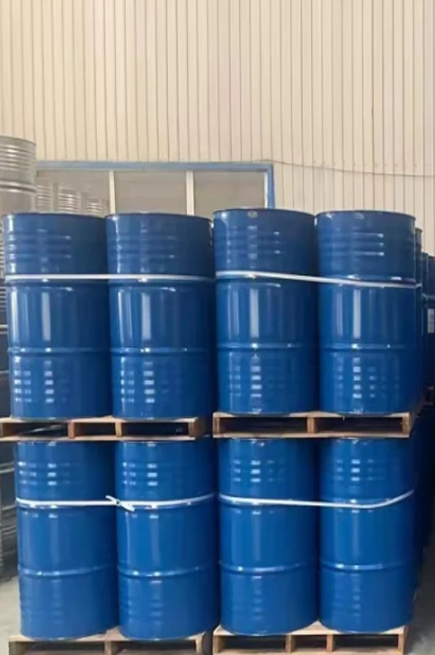
Description
RXSOL Efflorescence Cleaner and cleaning chemical effectively reacts and breaks down and removes stains efflorescence, Salt Deposits, Lime Stains, and Rust from concrete, brick, pavers, and other masonry surfaces.
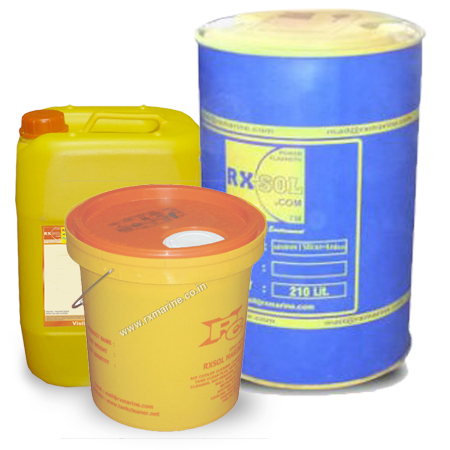
Efflorescence Remover removes white, chalky residue efflorescence and mild rust stains found on concrete and masonry
RXSOL Efflorescence Cleaner and cleaning chemical effectively reacts and breaks down and removes stains efflorescence, Salt Deposits, Lime Stains, and Rust from concrete, brick, pavers, and other masonry surfaces.
Efflorescence Remover Cleaner Manufacturer and Supplier in India UAE Oman, Mumbai, Kandla, Kolkata, Chennai, Visakhapatnam, Surat, Fujairah, Dubai, Sharjah, Ajman, Abudhabi, Muscat, Sohar, Barka, Oman, Yemen, Kuwait, Saudi Arabia

| Porduct Name | Efflorescence Remover |
| Part Number | RXSOL-15-1118-025 |
Company Details:
RX MARINE INTERNATIONAL
105, A wing , BSEL , TECH PARK.
VASHI ,NEW BOMBAY 400703 INDIA
Branch : Kandla, Mumbai , Chennai, Vizag, Kolkata, UAE , OMAN , CANADA and KENYA
| Phone | +91 22 20871200 - 1400 |
| Fax | +91 22 27612100 :::AOH :0091 9821214367 |
| mail@rxmarine.com | |
| Website | www.rxmraine.com |

| Chemical Name | Cas No | EC No | Whight |
| Phosphoric Acid | 7664-38-2 | 231-663-2 | 10-30% |
| Ethoxylated Alcohol Mixture |
66455-15-0, 68551-12-2 |
613-933-9, 500-221- 7 |
1-5% |

| Signal Word | Danger |
| Hazard Statements | H314 Causes severe skin burns and eye damage H318 Causes serious eye damage H302 Harmful if swallowed H332 Harmful if inhaled H402 Harmful to aquatic life H412 Harmful to aquatic life with long lasting effects |
| Precautionary statements | P264 Wash thoroughly after handling. P260 Do not breathdust/fume/gas/mists/vapours/spray. P270 Do not eat, drink or smoke when using this product. P271 Use only outdoors or in a well-ventilated area. P280 Wear protective gloves/protective clothing/eye protection/face protection. P273 Avoid release to the environment |
| Supplemental Hazard Statements | None |
| Other hazards | This substance/mixture contains no components considered to be either persistent, bioaccumulative and toxic (PBT), or very persistent and very bioaccumulative (vPvB) at levels of 0.1% or higher. |

| General advice | Treat symptoms and eliminate overexposure. |
| If inhaled | If breathing becomes difficult, remove victim to fresh air. If necessary, use artificial respiration to support vital functions. Seek medical attention. |
| Eye Contact | If product enters the eyes, flush with plenty of water or eye wash solution for several minutes. Remove contacts if present and easy to do. Seek medical attention if irritation persists |
| Swallowed | If product is swallowed, call physician or poison center immediately. If professional advice is not available, do not induce vomiting. Never induce vomiting or give diluents (milk or water) to someone who is unconscious, having convulsions, or who cannot swallow. Seek medical advice. Take a copy of the label and/or SDS with the victim to the health professional. |
| Skin Contact | Wash skin thoroughly with soap and water after handling. Seek medical attention if irritation develops and persists. |
| Most important symptoms and effects, both acute and delaye | Exposure to skin and eyes may cause burns |
| Indication of any immediate medical attention and special treatment needed | No data available |

| Suitable extinguishing media | Water Spray Foam Carbon Dioxide Dry Chemical |
| Unsuitable extinguishing media | Foam Water |
| Special hazards arising from the substance or mixture | Irritating and toxic fumes may be produced at high temperatures. |
| Further information | Prevent fire extinguishing water from contaminating surface water or the ground water system |
| Advice for firefighters | Incipient fire responders should wear eye protection Structural firefighters must wear Self-Contained Breathing Apparatus (SCBA) and full protective equipment. Isolate materials not yet involved in the fire and protect personnel. Move containers from fire area if this can be done without risk; otherwise, cool with carefully applied water spray. If possible, prevent run-off water from entering storm drains, bodies of water, or other environmentally sensitive areas. |

| Personal precautions, protective equipment and emergency procedures | Use cautious judgment when cleaning up spill. Wear suitable protective clothing, gloves, and eye/face protection. |
| Enviromental Precaution | Construct a dike to prevent spreading. Keep out of sewers, storm drains, surface waters, and soils |
|
Methods and materials for containment and cleaning |
Collect material via broom or mop. Place in tightly sealed containers for proper disposal. Approach spill areas with caution. If liquid was introduced, create a dike or trench to contain material. Soak up with absorbent material such as clay, sand or other suitable non-reactive material.Place in leak-proof containers. Seal tightly for proper disposal. Dispose of in accordance with U.S. Federal, State, and local hazardous waste disposal regulations and those of Canada and its Provinces, those of Australia, Japan and EU Member States (see Section 13, Disposal Considerations). |
| Reference to other sections | No data available |

| Advice on protection against fire and explosion | Keep away from open flames, hot surfaces and sources of ignition.Take precautionary measures against static discharge. |
| Hygiene measures | Immediately change contaminated clothing. Apply preventive skin protection. Wash hands and face after working with substance. For precautions see section 2.2. |
| Advice on safe handling | To prevent eye contact under the foreseeable conditions of use, wear appropriate safety eyewear. When handling, do not eat, drink, or smoke. Wash thoroughly after handling. |
| Storage conditions | No data available |
| Storage class | No data available |
| Specific end use(s) | Apart from the uses mentioned in section 1.2 no other specific uses are stipulated |

| Exposure parameter | Phosphoric Acid 7664-38-2 1 mg/m3 (TWA) 3 mg/m3 (STEL) 1 mg/m3 (TWA) 1 mg/m3 (TWA) 3 mg/m3 (STEL) |
| Engieneering control | Use with adequate ventilation to ensure exposure levels are maintained below the limits provided above. The following information on appropriate Personal Protective Equipment is provided to assist employers in complying with OSHA regulations found in 29 CFR Subpart I (beginning at 1910.132), or standards of EU member states (including EN 149 for respiratory PPE, and EN 166 for face/eye protection), and those of Japan. Please reference applicable regulations and standards for relevant details. |
| Eye/face protection | Safety glasses or goggles are required. If necessary, refer to U.S. OSHA 29 CFR 1910.133, Canadian Standards, and the European Standard EN166, Australian Standards, or relevant Japanese Standards. |
| Body Protection | Use body protect appropriate to task being performed. If necessary, refer to appropriate Standards of Canada, or appropriate Standards of the EU, Australian Standards, or relevant Japanese Standards. If a hazard of injury to the feet exists due to falling objects, rolling objects, where objects may pierce the soles of the feet or where employee’s feet may be exposed to electrical hazards, use foot protection, as described in U.S. OSHA 29 CFR 1910.136. |
| Skin protection | Chemical resistant gloves are required to prevent skin contact. If necessary, refer to U.S. OSHA 29 CFR 1910.138, the European Standard DIN EN 374, the appropriate Standards of Canada, Australian Standards, or relevant Japanese Standards. |
| Respiratory protection |
Not required for properly ventilated areas. Maintain airborne contaminant concentrations below guidelines listed above, if applicable. If necessary, use only respiratory protection authorized in the U.S. Federal OSHA Respiratory Protection Standard (29 CFR 1910.134), equivalent U.S. State standards, Canadian CSA Standard Z94.4-93, the European Standard EN149, or EU member states
|
| Control of environmental exposure | Do not let product enter drains. |

| Physical state | Liquid |
| Colour | Clear |
| Odour | Acidic Odor |
| Odor Threshold | No data available |
| pH | 2 |
| Melting Point | No data available |
| Boiling Point | No data available |
| Flash Point | No data available |
| Flammability (solid, gas) | No data available |
| Upper/lower flammability or explosive limits | No data available |
| Autoignition temperature | No data available |
| Decomposition temperature | No data available |
| Specific gravity | 0.91 |
| Vapour pressure | No data available |
| Viscosity | No data available |
| Density | No data available |
| Relative Density | No data available |
| Partition coefficient | No data available |
| Explosive properties | No data available |
| Solubility | No data available |
| Particle characteristics | No data available |

| Reactivity | This product is not reactive |
| Chemical stability | Stable under conditions of normal storage and use. |
| Possibility of hazardous reactions | Will not occur. |
| Conditions to avoid | Contact with ignition sources. |
| Incompatible materials |
Strong caustics, powdered metals. Do not mix with solutions containing bleach or ammonia.
|
| Hazardous decomposition products | Acids |

| Acute toxicity | No data available |
| Skin corrosion/irritation | Skin irritation |
| Serious eye damage/irritation | Eye irritation |
| Respiratory or skin sensitization | Respiratory irritaiton |
| Carcinogenicity | No data available |
| Germ cell mutagenicity | No data available |
| Reproductive toxicity | No data available |
| Specific target organ toxicity - single exposure |
Skin and eye burns.
|
| Additional Information | No data available |

| Persistence and degradability | No data available |
| Toxicity to fish | No data available |
| Toxicity to daphnia and other aquatic invertebrates | No data available |
| Toxicity to bacteria | No data available |
| Toxicity to algae | No data available |
| Mobility in soil | No data available |
| Results of PBT and vPvB assessment | No data available |
| Endocrine disrupting properties | No data available |
| Other adverse effects | No data available |

| Waste Treatment Method | Waste disposal must be in accordance with appropriate U.S. Federal, State, and local regulations, those of Australia, EU Member States and Japan. |

| UN number | ADR/RID:1805 | IMDG:1805 | IATA:1805 |
| UN proper shipping name | ADR/RID:Phosphoric acid solution | IMDG:Phosphoric acid solution | IATA:Phosphoric acid solution |
| Transport hazard class(es) | ADR/RID:8 | IMDG:8 | IATA:8 |
| Packaging group | ADR/RID:III | IMDG:III | IATA:III |
| Environmental hazards | ADR/RID:Yes | IMDG:Yes | IATA:Yes |
| Special precautions for user | No data available | ||
| Further information | No data available |

| Safety, health and environmental regulations/legislation specific for the substance or mixture | This material safety data sheet complies with the requirements of Regulation (EC) No. 1907/2006. |
| Other regulations | Take note of Dir 94/33/EC on the protection of young people at work. |
| Chemical Safety Assessment | For this product a chemical safety assessment has been carried out |

| Other Information |
The information above is believed to be accurate and represents the best information currently available to us. However, we make no warranty of merchantability or any other warranty, express or implied, with respect to such information, and weassume no liability resulting from its use. Users should make their own investigations to determine the suitability of the information for their particular purposes. In no event shall be liable for any claims, losses, or damages of any third party or for lost profits or any special, indirect, incidental, consequential or exemplary damages, howsoever arising, even if RX Marine International has been advised of the possibility of such damages. DISCLAIMER OF LIABILITY :The information in this SDS was obtained from sources which we believe are reliable. However, the information is provided without any warranty, express or implied, regarding its correctness. The conditions or methods of handling, storage, use or disposal of the product are beyond our control and may be beyond our knowledge. For this and other reasons, we do not assume responsibility and expressly disclaim liability for loss, damage or expense arising out of or in any way connected with the handling, storage, use or disposal of the product. This MSDS was prepared and is to be used only for this product. If the product is used as a component in another product, this MSDS information may not be applicable. |