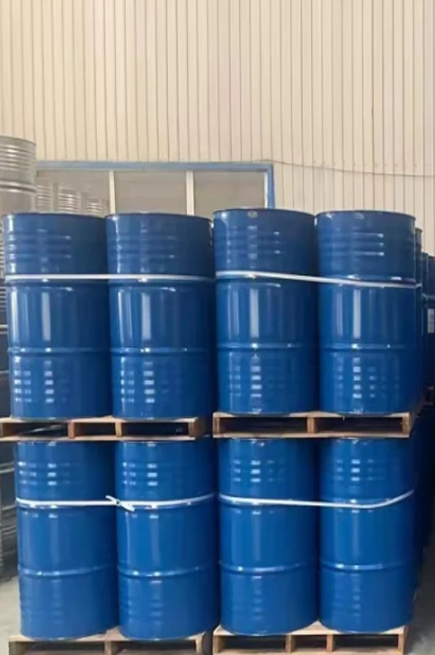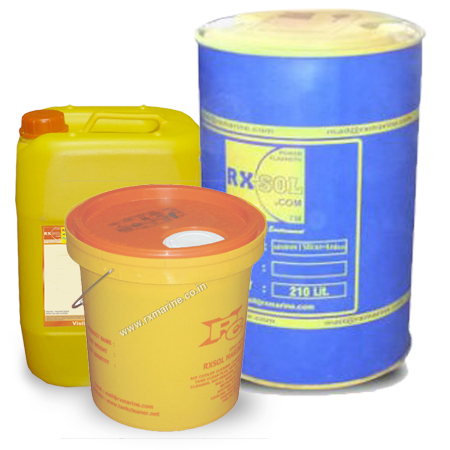
DI CHLOR SDIC

Dichlor is a chlorine compound used to purify swimming pool and spa water. Its full name is sodium dichloro s triazinetrione or dichloroisocyanuric acid.

SKU: RXSOL-31-3114-026 Category:

Description

Di Chlor  application are found in wool shrinkage, textile bleaching, and industrial circulating water cleaning. Di Chlor  is normally supplied in powder and granular, tablets are also available on request. Stabilised chlorine granular (dichlor) are used very widely to chlorinate swimming pool water. The product has high efficiency and constant performance and has no harm to human beings.







Product Details

Application

Sodium DichloroIsocyanurate NaDCC - Dichlor is a chlorine compound used to purify drinking water also swimming pool and spa water. Its full name is sodium dichloro-s-triazinetrione or dichloroisocyanuric acid. In chemical language technically can say  dichlor is the cyanuric acid molecule with two chlorine atoms and one sodium atom. This combination is a stable chlorine, which comes as a colorless solid. The cyanuric acid extends the life of the chlorine by shielding it from ultraviolet rays.

Dosage & Procedure

Dichlor granules dissolve quickly in water. They can be added to the waters surface, pre-dissolved in a bucket of water or added via a chlorination system. The pH level of dichlor is very stable, which means there is no need to add pH-neutralizing chemicals.

Dichlor is typically sold in granular form. This provides a simple and convenient way to chlorinate pools and spasDichlor is completely soluble in water and does not generate insoluble solids. Also, dichlor does not contribute to scaling. Thus, the dichlor products are suitable for hard water. Dichlor is typically sold by the manufacturer as a granular product with free available chlorine content depending on which form is used (dihydrate or anhydrous). Dichlor is available with additives which may provide some additional benefit to the user. However, it is important to note that if additives are mixed with the product, the available chlorine will be less than 56% or 62%. The available chlorine content is provided on product labels.

Technical Specifications

The amount of product to be used or dispensed depends upon the specific application and the volume of water being treated. For example, in routine sanitizing use, the objective is to maintain a residual available chlorine (FAC) concentration of 1.0 ppm – 4.0 ppm for pools and 2.0 ppm – 5.0 ppm for spas. The label use instructions will explain how to determine a typical dosage for the water volume to be treated. Label use instructions will similarly define dosage requirements for other product applications such as oxidation, shock treatment or superchlorination.

Notes & Precautions

Di Chlor or Sodium Dichloroisocyanurate (SDIC) widely applied for the sterilization of swimming pool and drinking water, or fighting against infectious diseases, or act as disinfectant in raising silkworm, livestock, poultry and fish. 

Areas of Use

Sodium dichloroisocyanurate (NaDCC) - Dichlor is WHITE CRYSTALLINE POWDER WITH PUNGENT ODOUR
Sodium Dichloroisocyanurate (SDIC) Dihydrate

Supply Locations

DI Chlor, SDIC, Sodium Dichloro S Triazinetrione, Dichloroisocyanuric acid, DI CHLOR SDIC, SDIC Sodium Dichloroisocyanurate supplier in Mumbai, Gandhidham, Kandla, Surat, Chennai, Ennore, Visakhapatnam Gangavaram, Kolkata, Haldia, Gangavaram, Fujairah, Sharjah, Ajman, Dubai, Abudhabi, Ruwi Barka, Muscat Oman, 

Industry Applications

Sodium DichloroIsocyanurate (INN: sodium troclosene, troclosenum natricum or NaDCC or SDIC) is an inorganic compound having CAS No 2893-78-9

In laboratory testing Sodium dichloroisocyanurate is used as a reagent for N-monochlorination and dehydrochlorination of amino esters.

Sodium DichloroIsocyanurate is a reagent for chlorination to detect ammonium via formation of colored zebra-bands in a detecting tube.

Safety Data (MSDS)

Product Name DI CHLOR SDIC
Part Number RXSOL-31-3114-050


Chemical Name Sodium dichloroisocyanurate dehydrate
Synonyms Sodium dichlor;; Sodium dichloroisocyanurate dihydrate:
Sodium Dichloro-S-Triazinetrione Dihydrate; Troclosene sodium

Company Details:
RX MARINE INTERNATIONAL
105, A wing , BSEL , TECH PARK.
VASHI ,NEW BOMBAY 400703 INDIA

Stock Point : Mumbai, Kandla, Kolkata, Chennai, Vizag, Fujairah, Muscat, Nairobi

Phone +91 22 2087 1200 / 1300 / 1400
Fax +91 22 27612100 :::AOH :0091 9821214367
Email 123@rxmarine.com
Website www.rxmarine.com

Name     of        Substance             Cas Number EC Number Wight %
Sodium DichloroIsocyanurate Dehydrate 51580-86-0 220-767-7  99-100%
Sodium Chloride 7647-14-5 231-593-8 0-1%


Signal Word                        Warning
Classification of the chemical: Oxidising solids - Category 2
Acute Oral Toxicity - Category 4
Eye Irritation - Category 2A
Specific target organ toxicity (single exposure) - Category 3
The following health/environmental hazard categories fall outside the scope of the Workplace Health and Safety Regulations:
Acute Aquatic Toxicity - Category 1
Chronic Aquatic Toxicity - Category 1
Hazard Statements H272 May intensify fire; oxidizer.
H302 Harmful if swallowed.
H319 Causes serious eye irritation.
H335 May cause respiratory irritation.
H410 Very toxic to aquatic life with long lasting effects
Precautionary Statements  Prevention P210 Keep away from heat. No smoking.
P220 Keep and store away from clothing, incompatible materials, combustible materials.
P221 Take any precaution to avoid mixing with combustibles / incompatible materials.
P261 Avoid breathing dust / fume / gas / mist / vapours / spray.
P264 Wash hands thoroughly after handling.
P270 Do not eat, drink or smoke when using this product.
P280 Wear protective gloves / protective clothing / eye protection / face protection.
P285 In case of inadequate ventilation wear respiratory protection.
P273 Avoid release to the environment..
Precautionary Statements  Response

P370 In case of fire:
P378 Use water spray (large quantities) to extinguish.
P301+P312 IF SWALLOWED: Call a POISON CENTER or doctor/physician if you feel unwell.
P330 Rinse mouth.
P305+P351+P338 IF IN EYES: Rinse cautiously with water for several minutes. Remove contact lenses, if present and easy to do.
Continue rinsing.
P310 Immediately call a POISON CENTER or doctor/physician.
P304+P340 IF INHALED: Remove person to fresh air and keep comfortable for breathing.
P312 Call a POISON CENTER or doctor/physician if you feel unwell.
P391 Collect spillage.


Eye Contact

Holding the eyelids apart, flush eyes promptly with copious flowing water for at least 20 minutes. Get medical attention immediately.

Skin Contact Take off contaminated clothing. Rinse skin immediately with plenty of water for 15-20 minutes. Call a poison control center or doctor for treatment advice. Get medical attention immediately.
Inhalation: In case of inhalation, remove person to fresh air. Keep him quiet and warm. Apply artificial respiration if necessary and get medical attention immediately.
Ingestion: If swallowed, wash mouth thoroughly with plenty of water. Get medical attention immediately.
Notes to Physician Treat symptomatically. Delayed effects from exposure to chlorine (decomposition product) can include shortness of breath, severe headache, pulmonary oedema and pneumonia.

Suitable  Extinguishing Media               Water spray (large quantities).
Unsuitable Extinguishing Media DO NOT USE the following as extinguishing media: Dry agent (carbon dioxide, dry chemical powder).
Unusual Fire and Explosion Hazards When heated to decomposition, may release poisonous and corrosive fumes of nitrogen trichloride, chlorine and CO.
Fire Fighting Procedure: Cool containers with water spray. Fire fighters should wear full protective clothing and self-contained breathing apparatus (SCBA) in positive pressure mode. On small fires, use water spray or fog. On large fires, use heavy deluge or fog streams. Flooding amounts of water may be required before extinguishment can be accomplished.
Protective Equipment Use personal protective equipment.


Spillage Oxidizing material. Stop leak if without risk. Avoid contact with a combustible material (wood, paper, oil, clothing...).
Personal Protection Advice for non-emergency personnel: Avoid inhalation of dusts. Evacuate the danger area, observe emergency procedures, consult an expert.
Advice for emergency responders: Protective equipment see section 8.
Enviromental Precaution Do not allow product to reach sewage system or any water course. Inform respective authorities in case of seepage into water course or sewage system.
Do not allow to enter sewers/ surface or ground water.
Methods for
cleaning
Wipe up the spilled product and collect it in a suitable container for disposal. Always control the contaminated product on active chlorine .


Handling

Keep away from heat. Keep away from sources of ignition. Keep away from combustible material.. Empty containers pose a fire risk, evaporate the residue under a fume hood. Ground all equipment containing material. Do not ingest. Do not breathe dust. Wear suitable protective clothing. In case of insufficient ventilation, wear suitable respiratory equipment. If ingested, seek medical advice immediately and show the container or the label. Avoid contact with skin and eyes. Keep away from incompatibles such as reducing agents, combustible materials, organic materials, metals

Storage                    Strong Oxidizer. Moisture Sensitive. Keep container tightly closed. Keep container in a cool, well-ventilated area. Separate from acids, alkalies, reducing agents and combustibles. See NFPA 43A, Code for the Storage of Liquid and Solid Oxidizers.
Do not store above 23°C (73.4°F).
Advice on general occupational hygiene Advice on safe handling Observe label precautions. Change contaminated clothing. Wash hands after working with substance.

Engineering Control Ensure that eyewash stations and safety showers are close to the workstation location. Ensure adequate ventilation, especially inconfined areas. Wherever possible, engineering control measures such as the isolation or enclosure of the process, the introduction of process or equipment changes to minimise release or contact, and the use of properly designed ventilation systems, should be adopted to control hazardous materials at source.
Personal            Protection Eye/face Protection: Wear appropriate protective eyeglasses or chemical safety goggles as described by OSHA's eye and face protection regulations in 29 CFR 1910.133 or European Standard EN166.
Skin and body protection: Wear appropriate protective gloves and clothing to prevent skin exposure. Respiratory Protection :  Follow the OSHA respirator regulations found in 29 CFR 1910.134 or European Standard EN 149. Use a NIOSH/MSHA or European Standard EN 149 approved respirator exposure limits are exceeded or if irritation or other symptoms are experienced.
Other Protection  Measure Handle in accordance with good industrial hygiene and safety practice.
Exposure Limit This product does not contain any components that have regulatory occupational exposure limits (OELs) established.

                                                   gloves                suit                

                                                   Gloves                       Suit                          

Form         Solid, Granular
Colour White
Odour Slight Chlrine
Odor Threshold Not Applicable
pH 6 -7 
Melting Point 245 °C (decomposition)
Boiling Point Not Applicable
Flash Point Not Applicable
Evaporation Rate Not Applicable
Flammability (solid, gas) No Data Available
Explosive limits No Data Available
Vapour pressure No Data Available
Vapour Density No Data Available
Specific Gravity 1.95 g/cm3 at 20 °C
Partition coefficient No data available
Explosive properties None
Solubility Soluble in water 30 g/l at 20 °C
Molecular Formula C3Cl2N3NaO3 · 2H2O
Molecular Weight 256 g/mol


Reactivity                        Yes.
Stability Oxidizer: Contact with combustible/organic material may cause fire, Moisture sensitive, Risk of explosion by shock, friction, fire or other sources of ignition.
Possibility of hazardous reactions Do not get water inside container. Wet material may generate nitrogen trichloride, anexplosion hazard. Avoid contact with easily oxidizable organic material. Contact with acids liberates toxic gas. Hazardous polymerization will not occur.
Conditions to avoid Incompatible products. Excess heat. Combustible material. Avoid dust formation. Exposure to moist air or water. Ignitions sources - heat, sparks and open flames. Do not subject to grinding/shock/friction. Heat, flames and sparks.
Incompatible materials Strong oxidizing agents. Strong bases. Acids.
Hazardous Polymerization Carbon monoxide (CO). Carbon dioxide (CO2). Nitrogen oxides (NOx).

Rout Of Entry Inhalation. Ingestion.
Toxicity to Animal  Acute toxicity :
-Rat, oral LD50 1671 mg/kg
-Rat dermal LD50 >5000 mg/kg
Eye irritation  Severe irritant
Dermal irritation               Severe irritant
Mutagenicity Not mutagenic in five salmonella strains with or without metabolic activation.
Carcinogenity Not classified by IARC, OSHA, EPA
Not included in NTP11 Report on Carcinogens
Reproductive toxicity Sodium dichloroisocyanurate acid when given orally to pregnant mice from day 6 to day 15 of gestation, did not induce any significant teratogenic effects.
Chronic toxicity

Chronic inhalation exposure may cause impairment of lung function and permanent lung damage. In the experiment with drinking water from 28 days, extended to 59 days (rat: NOAEL = 115 mg/kg lich.day)


Eco Toxicity

The product contains following substances which are hazardous for the environment. Very toxic to aquatic organisms, may cause long-term adverse effects in the aquatic environment.
Fish Toxicity:
LC50 Bluegill sunfish: 0.25-1.0 mg/L (96 hour)
LC50 Rainbow trout: 0.13-0.36 mg/L (96 hour)
LC50 Inland silversides: 1.21 mg/L (96 hour)
Invertebrate Toxicity:
LC50 Water flea: 0.196 mg/L (48 hour)
LC50 Mysid shrimp: 1.65 mg/L (96 hour)
Other Toxicity:
LD50 Mallard duck (oral): 1,916 mg/kg
LD50 N. Bobwhite Quail (oral): 1,732 mg/kg
LD50 Mallard duck (diet): >10,000 ppm
LD50 N. Bobwhite Quail (diet): >10,000 ppm

COD and BOD 5 Not Available
Products Biodegradation: This material is subject to hydrolysis. Cyanuric acid produced by hydrolysis is biodegradable.
Mobility in soil No Information available
Results of PBT and vPvB assessment This substance/mixture contains no components considered to be either persistent, bioaccumulative and toxic (PBT), or very persistent and very bioaccumulative (vPvB) at levels of 0.1% or higher.
Other adverse effects Henry constant : Transition from water solution into the atmosphere is not to be expected.


Waste treatment Method Waste material must be disposed of in accordance with the national and local regulations. Leave chemicals in original containers. No mixing with other waste. Handle uncleaned containers like the product itself. Use or reuse if possible. This material is a registered pesticide. May be subject to disposal regulations.

DOT

UN        Number                                          UN3307
Proper shipping name ENVIRONMENTALLY HAZARDOUS SUBSTANCE, SOLID, N.O.S. (troclosene  sodium, dihydrate)
Hazard Class 9
Packing group III
Environmental hazards  

TDG


UN        Number                                          UN3307
Proper shipping name ENVIRONMENTALLY HAZARDOUS SUBSTANCE, SOLID, N.O.S. (troclosene  sodium, dihydrate)
Hazard Class 9
Packing group III

IATA


UN        Number                                          UN3307
Proper shipping name ENVIRONMENTALLY HAZARDOUS SUBSTANCE, SOLID, N.O.S. (troclosene  sodium, dihydrate)
Hazard Class 9
Packing group III

 MDG/IMO


UN        Number                                          UN3307
Proper shipping name ENVIRONMENTALLY HAZARDOUS SUBSTANCE, SOLID, N.O.S. (troclosene  sodium, dihydrate)
Hazard Class 9
Packing group III
IMDG Marine pollutant yes


Further information
 
EHS-Mark required (ADR 2.2.9.1.10, IMDG code 2.10.3) for single packagings and combination packagings containing inner packagings with Dangerous Goods > 5L for liquids or > 5kg for solids.


Safety,health  and environmental   regulations This material safety data sheet complies with the requirements of Regulation (EC) No. 1907/2006.
National legislation Seveso III: Directive 2012/18/EU of the European Parliament and of the Council on the control of major-accident hazards involving dangerous substances.
P8 OXIDISING LIQUIDS AND SOLIDS
E1 ENVIRONMENTAL HAZARDS
Other regulations
 
Observe work restrictions regarding maternity protection in accordance to Dir 92/85/EEC or stricter national regulations where applicable.Take note of Dir 94/33/EC on the protection of young people at work.

Chemical Safety  Assessment                     

For this product a chemical safety assessment was not carried out


Other Information

The information above is believed to be accurate and represents the  best information   currently    available  to us.  However,   we   make no warranty of merchantability or any other warranty, express or implied, with respect to such information, and  weassume  no liability resulting from its use. Users should make  their  own  investigations  to determine the suitability of the information for their particular purposes. In no event shall be liable for any claims, losses, or damages of any third party or for lost profits or any special, indirect, incidental, consequential or exemplary damages, howsoever arising, even if Rx Marine International  has been advised of the possibility of such damages.

DISCLAIMER OF LIABILITY :The information in this SDS was obtained from sources which we believe are reliable. However, the information is provided without any warranty, express or implied, regarding its correctness. The conditions or methods of handling, storage, use or disposal of the product are beyond our control and may be beyond our knowledge. For this and other reasons, we do not assume responsibility and expressly disclaim liability for loss, damage or expense arising out of or in any way connected with the handling, storage, use or disposal of the product. This MSDS was prepared and is to be used only for this product. If the product is used as a component in another product, this MSDS information may not be applicable.

top