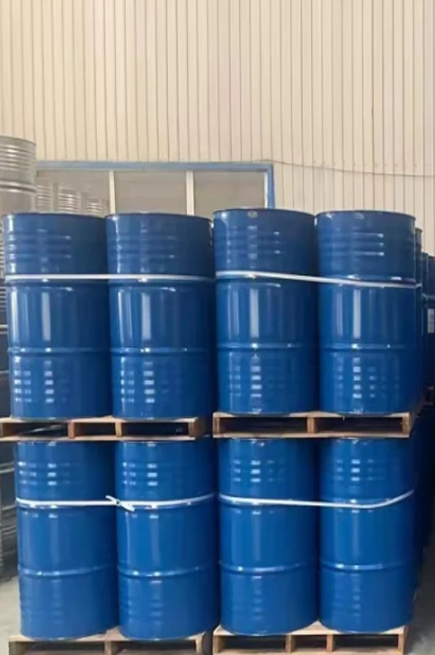
Description
Supplier of Zinc Chloride (ZnCl2) best quality in High purity Grade, Battery Grade, Technical Grade and Commercial Grade. All these are available in Solid, Powder and Liquid Solution form.
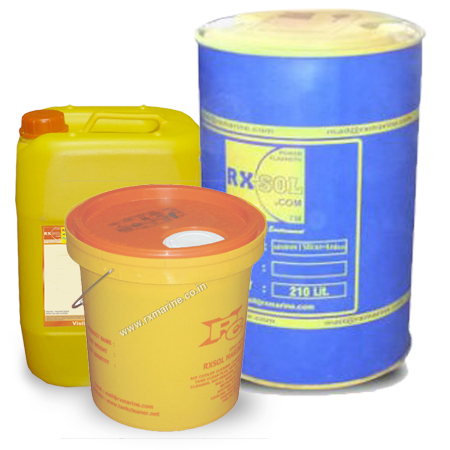
Zinc Chloride supplier and exporter.
Supplier of Zinc Chloride (ZnCl2) best quality in High purity Grade, Battery Grade, Technical Grade and Commercial Grade. All these are available in Solid, Powder and Liquid Solution form.
Our Zinc Chloride is used in multiple applications and is available in various specification and purity 80 to 99%. We are supplying it to all parts of India as well as exporting to other countries.
Preparation
Zinc Chloride can be prepared from Zinc and Hydrogen Chloride.
Zn+2Hcl→Zncl2 + H2
Zinc exists in only one oxidation state 2+, which simplifies purification of the chloride.
|
Physical state and appearance |
Snow White Solid. |
|
Odor |
Odorless. |
|
Taste |
Not available. |
|
Molecular Weight |
136.29 g/mole |
|
Color |
White. |
|
Assay % |
Refer below for various grade |
|
Boiling Point |
732°C (1349.6°F) |
|
Melting Point |
290°C (554°F) |
|
Critical Temperature |
Not available. |
|
Specific Gravity |
2.907 (Water = 1) |
|
Vapor Pressure |
Not applicable. |
|
Vapor Density |
4.7 (Air = 1) |
|
Volatility |
Not available. |
|
Odor Threshold |
Not available. |
|
Water/Oil Dist. Coeff. |
Not available. |
|
Ionicity (in Water) |
Not available. |
|
Dispersion Properties |
See solubility in water. |
|
Solubility |
See solubility in water. |
| PARTICULARS | H.P. GRADE | TECHNICAL | COMMERCIAL | SOLUTION |
| ASSAY (%) | 98-99 | 90-92 | 80-85 | APCR |
| APPEARANCE | SNOW WHITE | SNOW WHITE | SNOW WHITE | CLEAR SOLUTION |
| AMMONIA (AS NH4CL) % | < 1 | < 5 | 10-15 | APCR |
| ALKALIES & ALKALINE EARTH (%) | < 1 | < 1.5 | APCR | APCR |
| IRON (PPM ) | < 10 | < 15 | < 15 | < 15 |
| LEAD (PPM ) | < 10 | < 15 | APCR | APCR |
| NICKLE (PPM) | < 2 | < 2 | APCR | APCR |
| COPPER (PPM) | < 2 | < 2 | APCR | APCR |
| COBALT (PPM) | < 2 | < 2 | APCR |
APCR |
Properties
Zinc Chloride with formula Zncl2 is a white granular/crystalline powder, which is soluble in water having Specific Gravity 2.91, Melting Point 290° C and Boiling Point 732° C.
Zinc Chloride manufacturer supplier distributor in Mumbai, Kandla, Kolkata, Vizag, Chennai, India, Fujairah, Dubai, Sharjah, UAE, Gulf, Middle East, Muscat Oman, Kenya Africa. Get the best quality of Zinc Chloride at a competitive price from us. We have ready stock of Zinc Chloride in India, UAE Gulf, Oman, Kenya Africa. Contact us for bulk as well as small orders.

| Product Name | Zinc Chloride |
| Part Number | RXSOL-60-6141-025 |
Company Details:
RX MARINE INTERNATIONAL
105, A wing , BSEL , TECH PARK.
VASHI ,NEW BOMBAY 400703 INDIA
Stock Point : Mumbai, Kandla, Chennai, Kolkata, Visakhapatnam, Fujairah
| Phone | +91 22 27815540 / 27815541 / 27815542 |
| Fax | +91 22 2781 1318 :::AOH :0091 9821214367 |
| 123@rxmarine.com | |
| Website | www.rxmarine.com |

| Name of Substance | Cas Number | EC Number | Wight % |
| Zinc chloride | 7646-85-7 | 231-592-0 | 100% |

| Signal Word | Danger |
| Hazard Statements |
H302 Harmful if swallowed. H314 Causes severe skin burns and eye damage. H410 Very toxic to aquatic life with long lasting effects. |
| Precautionary statements - prevention |
P273 Avoid release to the environment. P280 Wear protective gloves/ protective clothing/ eye protection/ face protection |
| Precautionary statements - response |
P301 + P330 + P331 IF SWALLOWED: Rinse mouth. Do NOT induce vomiting. |

| Eye Contact |
Check for and remove any contact lenses. In case of contact, immediately flush eyes with plenty of water for at least 15 minutes. Cold water may be used. Get medical attention. |
| Skin Contact | In case of contact, immediately flushes skin with plenty of water for at least 15 minutes while removing contaminated clothing and shoes. Cover the irritated skin with an emollient. Cold water may be used.Wash clothing before reuse. Thoroughly clean shoes before reuse. Get medical attention. |
| Inhalation: | Move to fresh air. If breathing is difficult, give oxygen. Get medical attention immediately if symptoms occur. |
| Ingestion: | Do not induce vomiting. Obtain medical attention.If vomiting occurs, lean patient forward or place on left side (head-down position, if possible) to maintain an open airway and prevent aspiration. |
| Notes to Physician | Treat symptomatically |

| Flammability of the Product | Non-flammable. |
| Suitable extinguishing media | Use extinguishing measures that are appropriate to local circumstances and the surrounding environment. |
|
Hazardous combustion products |
When heated to decomposition, it emits toxic fumes of Hydrochloric Acid, and Zinc Oxide. |
| Protective Equipment | Use personal protective equipment. |
| Special protective equipment for firefighters | Stay in danger area only with self-contained breathing apparatus. Prevent skin contact by keeping a safe distance or by wearing suitable protective clothing. |
| Further information | Suppress (knock down) gases/vapours/mists with a water spray jet. Prevent fire extinguishing water from contaminating surface water or the ground water system. |

| Spillage |
Corrosive solid. Stop leak if without risk. Do not get water inside container. Do not touch spilled material. Use water spray to reduce vapors. Prevent entry into sewers, basements or confined areas; dike if needed. Call for assistance on disposal. Be careful that the product is not present at a concentration level above TLV. Check TLV on the MSDS and with local authorities. |
| Personal Protection | Use personal protective equipment. Avoid dust formation. Avoid breathing vapours, mist or gas. Ensure adequate ventilation. Evacuate personnel to safe areas. Avoid breathing dust. For personal protection see section 8. |
| Enviromental Precaution | Prevent further leakage or spillage if safe to do so. Do not let product enter drains. Discharge into the environment must be avoided. |
|
Methods and materials for containment and cleaning |
Pick up and arrange disposal without creating dust. Sweep up and shovel. Keep in suitable, closed containers for disposal. Cover drains. |

| Handling |
Keep locked up.. Keep container dry. Do not ingest. Do not breathe dust. Never add water to this product. In case of insufficient ventilation, wear suitable respiratory equipment. If ingested, seek medical advice immediately and show the container or the label. Avoid contact with skin and eyes. Keep away from incompatibles such as oxidizing agents, metals. |
| Storage | Deliquescent. Keep container tightly closed. Keep container in a cool, well-ventilated area. |
| General occupational hygiene | Immediately change contaminated clothing. Apply preventive skin protection. Wash hands and face after working with substance. |

| Engineering Control | Use process enclosures, local exhaust ventilation, or other engineering controls to keep airborne levels below recommended exposure limits. If user operations generate dust, fume or mist, use ventilation to keep exposure to airborne contaminants below the exposure limit. |
| Personal Protection | Eye/face Protection: Wear appropriate protective eyeglasses or chemical safety goggles as described by OSHA's eye and face protection regulations in 29 CFR 1910.133 or European Standard EN166. Splash goggles. Full suit. Vapor and dust respirator. Boots. A self contained breathing apparatus should be used to avoid inhalation of the product. Suggested protective clothing might not be sufficient; consult a specialist BEFORE handling this product. |
| Other Protection Measure | Handle in accordance with good industrial hygiene and safety practice. |
| Exposure Limit |
TWA: 1 STEL: 2 (mg/m3) [United Kingdom (UK)] TWA: 1 STEL: 2 (mg/m3) from ACGIH (TLV) [United States] TWA: 1 STEL: 2 (mg/m3) from OSHA (PEL) [United States]Consult local authorities for acceptable exposure limits. |


Gloves Suit

| Form | Powder |
| Colour | White |
| Odour | Odourless |
| Odor Threshold | Not Applicable |
| pH | ca. 5 at 100 g/l 20 °C |
| Melting Point/Range | 287 - 304 °C at ca.1,013 hPa Method: OECD Test Guideline 102 |
| Boiling Point/Boiling Range | 732 °C at 1,013 hPa |
| Flash Point | Not Applicable |
| Evaporation Rate | Not Applicable |
| Flammability (solid, gas) | The product is not flammable. |
| Explosive limits | No Data Available |
| Vapour pressure | 1.33 hPa at 428 °C |
| Vapour Density | No information available |
| Density | 2.93 g/cm3 at 22 °C Method: OECD Test Guideline 109 |
| Partition coefficient | No data available |
| Explosive properties | None |
| Solubility in water | 851 g/l at 25 °C Method: OECD Test Guideline 105 |
| Ignition temperature | No information available. |
| Decomposition temperature | ca.360 °C |
| Viscosity, dynamic | No information available. |
| Oxidizing properties | None |
| Bulk density | ca.1,400 - 1,800 kg/m3 |

| Reactivity | No Data Available |
| Stability | The product is chemically stable under standard ambient conditions (room temperature). |
| Possibility of hazardous reactions | Violent reactions possible with: sodium, Strong oxidizing agents |
| Conditions to avoid | Exposure to moisture |
| Incompatible materials | Strong oxidizing agents |
| Hazardous Polymerization | Hazardous polymerization does not occur. |

| Rout Of Entry | Absorbed through skin. Dermal contact. Inhalation. Ingestion. |
| Toxicity to Animal | Acute oral toxicity (LD50): 329 mg/kg [Mouse]. |
| Toxic Effects on Human | May cause damage to the following organs: upper respiratory tract. Other Very hazardous in case of skin contact (irritant), of ingestion, of inhalation. Hazardous in case of skin contact (corrosive, permeator), of eye contact (corrosive). |
| Special Remarks on other Toxi Effects on Humans: |
Acute Potential Health Effects: Skin: Causes skin irritation with possible burns, especially if skin is wet or moist. May be absorbed by the skin. Eyes: May cause severe irritation with posssible eye burns and irreversible eye injury. May cause corneal ulceration, and opacification, and glaucoma and severe iritis. Eye or skin contact may result in mild, moderate, or severe irritation and burns depending on the concentration and duration of exposure. Inhalation: May cause severe respiratory tract irritation, and may affect behavior. Ingestion: Harmful if swallowed. May cause severe digestive tract irritation withnausea, vomiting, diarrhea abdominal pain, possible burns |

| Eco Toxicity | Not Available |
| COD and BOD 5 | Not Available |
| Products Biodegradation: | Possibly hazardous short term degradation products are not likely. However, long term degradation products may arise. Toxicity of the Products of Biodegradation: The products of degradation are less toxic than the product itself. |
| Mobility in soil | No Information available |
| Results of PBT and vPvB assessment | PBT/vPvB: Not applicable for inorganic substances |
| Other adverse effects |
Additional ecological information. Hazard for drinking water supplies. Discharge into the environment must be avoided. |

| Waste treatment Method | Waste material must be disposed of in accordance with the national and local regulations. Leave chemicals in original containers. No mixing with other waste. Handle uncleaned containers like the product itself. |

Land transport (ADR/RID)
| UN Number | UN 2330 |
| Proper shipping name | ZINC CHLORIDE,ANHYDROUS |
| Hazard Class | 8 |
| Packing group | III |
| Special precautions for user | No Data Available |
| Tunnel restriction code | E |
TDG
| UN Number | UN 2330 |
| Proper shipping name | ZINC CHLORIDE,ANHYDROUS |
| Hazard Class | 8 |
| Packing group | III |
| Special precautions for user | No Data Available |
| Tunnel restriction code | E |
IATA
| UN Number | UN 2330 |
| Proper shipping name | ZINC CHLORIDE,ANHYDROUS |
| Hazard Class | 8 |
| Packing group | III |
| Special precautions for user | No Data Available |
| Environmentally hazardous | Yes |
IMDG/IMO
| UN Number | UN 2330 |
| Proper shipping name | ZINC CHLORIDE,ANHYDROUS |
| Hazard Class | 8 |
| Packing group | III |
| Special precautions for user | No Data Available |
| EmS | F-A S-B |
| Transport in bulk according to Annex II of MARPOL 73/78 and the IBC Code |
Not relevant |

| Fedral and State Regulation | Connecticut hazardous material survey.: Zinc chloride Illinois toxic substances disclosure to employee act: Zinc chloride Illinois chemical safety act: Zinc chloride New York release reporting list: Zinc chloride Rhode Island RTK hazardous substances: Zinc chloride Pennsylvania RTK: Zinc chloride Minnesota: Zinc chloride Massachusetts RTK: Zinc chloride Massachusetts . |
| Other Regulation | OSHA: Hazardous by definition of Hazard Communication Standard (29 CFR 1910.1200). EINECS: This product is on the European Inventory of Existing Commercial Chemical Substances. |
| WHMIS (Canada) | CLASS D-1B: Material causing immediate and serious toxic effects (TOXIC). CLASS D-2A: Material causing other toxic effects. CLASS E: Corrosive solid. |
| DSCL (EEC) |
H302 Harmful if swallowed. H314 Causes severe skin burns and eye damage. H335 May cause respiratory irritation. H400 Very toxic to aquatic life. H410 Very toxic to aquatic life with long lasting effects |
| HMIS | |
| Health Hazard | : 3 |
| Fire Hazard | : 0 |
| Reactivity | : 0 |
| Personal Protection | : j |
| Fire : | |
| Health Hazard | : 2 |
| Fire Hazard | : 1 |
| Reactivity | : 3 |
| Specific Hazard | : |

| Other Information |
The information above is believed to be accurate and represents the best information currently available to us. However, we make no warranty of merchantability or any other warranty, express or implied, with respect to such information, and weassume no liability resulting from its use. Users should make their own investigations to determine the suitability of the information for their particular purposes. In no event shall be liable for any claims, losses, or damages of any third party or for lost profits or any special, indirect, incidental, consequential or exemplary damages, howsoever arising, even if Rx Marine International has been advised of the possibility of such damages. DISCLAIMER OF LIABILITY :The information in this SDS was obtained from sources which we believe are reliable. However, the information is provided without any warranty, express or implied, regarding its correctness. The conditions or methods of handling, storage, use or disposal of the product are beyond our control and may be beyond our knowledge. For this and other reasons, we do not assume responsibility and expressly disclaim liability for loss, damage or expense arising out of or in any way connected with the handling, storage, use or disposal of the product. This MSDS was prepared and is to be used only for this product. If the product is used as a component in another product, this MSDS information may not be applicable. |