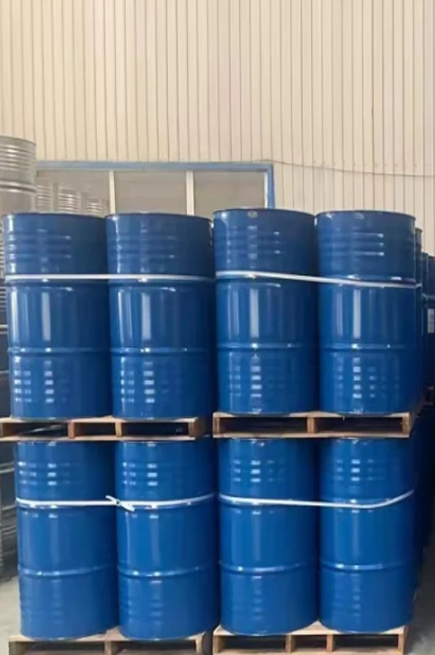
Description
Trichloroisocyanuric Acid TCCA 90 GRANULAR chlorine based chemical for disinfection of swimming pools and fountain water bodies and helps in achieving crystal clear and clean water
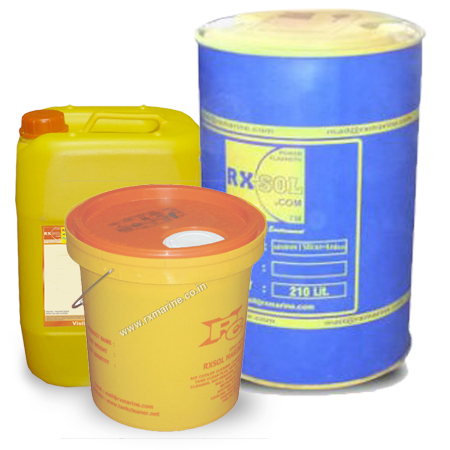
TCCA 90 GRANULAR chlorine based chemical for disinfection of swimming pools and fountain water bodies and helps in achieving crystal clear and clean water
Trichloroisocyanuric Acid TCCA 90 GRANULAR chlorine based chemical for disinfection of swimming pools and fountain water bodies and helps in achieving crystal clear and clean water
TCCA 90% chlorine tablet supplier in Mumbai, Kolkata, Chennai, Vsiakhapatnam, Kandla Gujarat, India. Ready stock of TCCA chlorine tablets available in Fujairah, Dubai, Sharjah, Ajman UAE, Muscat Barka Oman, Kenya Africa, Canada.

| Product Name | RXSOL-31-3124-050 |
| Product Type | Trichloroisocyanuric Acid Tablet |
Company Details:
RX MARINE INTERNATIONAL
105, A wing , BSEL , TECH PARK.
VASHI ,NEW BOMBAY 400703 INDIA
Stock Points: Mumbai, Kandla, Kolkata, Visakhapatnam, Chennai, Fujairah UAE, Muscat Oman, Kenya Africa, Canada
| Phone | +91 22 65113333 / 5555 / 9999 / 27611360 |
| Fax | +91 22 2781 1318 :::AOH :0091 9821214367 |
| care@rxmarine.com |

|
Chemical Name |
Concentration |
CAS Number |
EC Number |
R Phrases* |
Symbols |
|
Symclosene; Trichloroisocyanuric acid; Trichloro-1,3,5-triazinetrion |
90 | 87-90-1 | 201-782-8 |
R8, R22, R31, R36/37, R50/53 |
O, Xn, N |
*See Section 16

|
Odour |
Chlorine |
|
Appearance |
White, Tablet. |
|
Contact with eyes |
Risk of serious damage to eyes. Causes serious eye irritation. |
|
Contact with skin |
Causes irritation, Prolonged skin contact will result in defatting of the skin. |
|
Inhalation |
May cause respiratory irritation , In cases of severe exposure, shortness of breath may develop. |
|
Contact with Acid |
Contact with acids liberates toxic gas. Warning! Do not use together with other products. May release dangerous gases (chlorine). |

|
Contact with skin |
Remove/Take off immediately all contaminated clothing. Rinse skin with water/shower.Wash with plenty of soap and water. |
|
Contact with eyes |
Rinse cautiously with water for several minutes. Remove contact lenses, if present and easy todo. Continue rinsing.Get immediate medical advice/attention. |
|
Ingestion |
Do not induce vomiting person Give water or milk to drink |
|
Inhalation |
Do not induce vomiting person Give water or milk to drink |
|
General |
When in doubt or symptoms persist, seek medical attention.Use good personal hygiene practices |

- Non-flammable
- In case of fire: use water for extinction
- DO NOT USE dry extinguishers containing ammonium compounds such as dry powder.

|
Personal Precautions |
- Avoid raising dust |
|
Environmental Precautions |
- Avoid release to the environment. |
|
Immediate Actions |
Use appropriate containment to avoid environmental contamination (S57). |
|
Clean Up Actions |
- Collect as much as possible in clean container for reuse or disposal |
|
Special Precautions |
Wear protective clothing as per section 8. |

|
Handling |
- Avoid raising dust |
|
Storage |
- Store away from other materials. |

|
Exposure Limits |
- No exposure limits have been set for this substance. |
|
Exposure controls |
- Engineering controls should be provided which maintain airborne concentrations below the relevant guidelines |
|
Occupational exposure controls |
- In case of inadequate ventilation wear respiratory protection. |

|
Odour |
Chlorine |
|
Appearance |
Solid, white, tablets |
|
pH |
2.7 - 3.3 at 1 % concentration |
|
Boiling point |
not applicable |
|
Vapour pressure |
not applicable |
|
Vapour density |
not applicable |
|
Metling Point |
225-230 deg C with decomposition |
|
Completely soluble in water |
|
|
Specific gravity |
2.19 g/cm3 |

Reactivity
- Oxidising agent
- Warning! Do not use together with other products. May release dangerous gases (chlorine).
Chemical stability
- Decomposes above 200 °C
Possibility of hazardous reactions
- Contact with acids liberates toxic gas.
Conditions to avoid
- Avoid contact with acids and alkalis
- Avoid contact with combustible material
- Avoid contact with foodstuffs
- Avoid contact with reducing agents
- Keep away from heat and sources of ignition
Incompatible materials
- Incompatible with acids and alkalis
- Incompatible with reducing agents
- Contact with water may form explosive gases
- Contact with acids liberates toxic gas.
Hazardous Decomposition Products
- Decomposition products may include carbon oxides
- Decomposition products include chlorine.
- Decomposition products may include phosgene

| Toxicological information |
- LD50 (oral,rat) 809 mg/kg - LD50 (skin,rabbit) 7600 mg/kg - Irritation to eyes (rabbit) : Corrosive - Irritation to skin (rabbit) : Moderate |
| Inhalation |
- May cause dizziness - Causes coughing - Can cause damage to the mucous membranes - In cases of severe exposure, burning sensation may develop - In cases of severe exposure, delayed pulmonary oedema may develop |
| Contact with skin |
- May cause irritation - In cases of severe exposure, burning sensation may develop - In cases of severe exposure, dermatitis may develop |
| Contact with eyes |
- Causes severe irritation - Can cause damage to the eyes |
| Ingestion |
- The ingestion of significant quantities may cause damage to digestive system - The ingestion of significant quantities may cause burning sensation |
| Carcinogenicity | No evidence of carcinogenic effects |

|
Toxicity |
- Very toxic to aquatic life with long lasting effects. |
|
Persistence and degradability |
- Biodegradable |
|
Bioaccumulation Potential |
- Bioaccumulation is insignificant |
|
Ecological information |
- Decomposes in water |

|
Classification |
waste must be identified according to the List of Wastes (2000/532/EC) |
|
Disposal considerations |
Disposal should be in accordance with local, state or national legislation |

- Not classifiedashazardousfortransport

|
Risk Phrases |
Repeated exposure may cause skin dryness or cracking (R66) Risk of serious damage to eyes (R41) |
|
Safety Phrases |
- Refer to current ADR Regulations |

Text of R and S phrase codes used in this safety data sheet:- H272: May intensify fire; oxidizer.; H302: Harmful
if swallowed.; H319: Causes serious eye irritation.; H335: May cause respiratory irritation.; H400: Very toxic to
aquatic life.; H410: Very toxic to aquatic life with long lasting effects.; R22: Harmful if swallowed; R31: Contact with
acids liberates toxic gas; R36/37: Irritating to eyes and respiratory system; R50/53: Very toxic to aquatic
organisms, may cause long-term adverse effects in the aquatic environment; R8: Contact with combustible material
may cause fire.
The statements made herein are based on our best present experience and are intended to describe product
safety requirements. They should not therefore be considered as a warranty of specific properties.
DISCLAIMER OF LIABILITY :The information in this SDS was obtained from sources which we believe are reliable. However, the information is provided without any warranty, express or implied, regarding its correctness. The conditions or methods of handling, storage, use or disposal of the product are beyond our control and may be beyond our knowledge. For this and other reasons, we do not assume responsibility and expressly disclaim liability for loss, damage or expense arising out of or in any way connected with the handling, storage, use or disposal of the product. This MSDS was prepared and is to be used only for this product. If the product is used as a component in another product, this MSDS information may not be applicable.