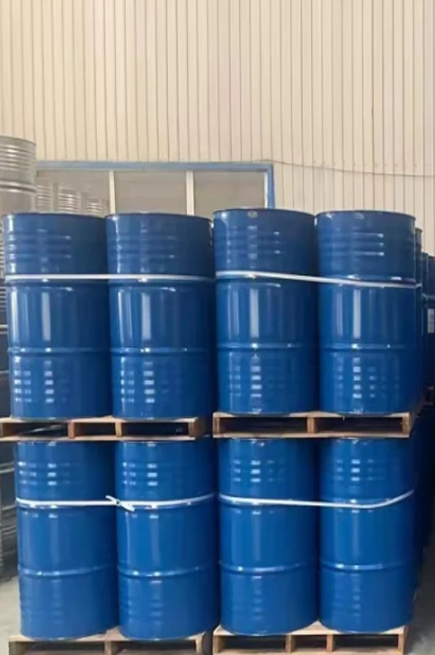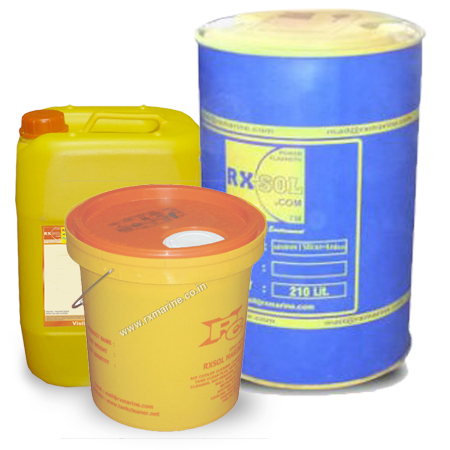
FLOCCULANT

Flocculant is a very effective liquid treatment based on Poly chloride to separate oil residues from bilge water. It is iron-free, and is completely safe to the environment.

SKU: RXSOL-17-3105-025 Category:

Description

RXSOL Flocculant is a very effective liquid treatment based on Poly chloride to separate oil residues from bilge water. It is iron-free, and is completely safe to the environment.


Note : The product is to be used as a secondary flocculant along with the cationic primary flocculant for separator effluent oily water unit. the waste water is then treated in an air floatation unit.







Product Details

Application

International environmental regulations set strict rules as to the oil content in effluent water from ships. To meet these regulations, a combination of mechanical and chemical cleaning is necessary. Bilge Water Flocculant is used in combination with multistage bilge water cleaning systems that include mechanical separation of free oil, emulsion breaking, flocculation and filtration. After dosing, Bilge Water Flocculant breaks the oil-in-water emulsion created by contaminants in lubricating and fuel oils, emulsifying cleaning agents etc. It then destabilizes the remaining small oil droplets and agglomerates them into larger particles (flocs) that are easily collected by filtering.

Dosage & Procedure

Typical dose rate: 100 - 500ppm (0.1 - 0.5 litre/m3 of water) In a multistage bilge water cleaning system, Bilge Water Flocculant is fed undiluted through a dosage pump connected to the pressure side of the oil descaler. The floc tank is fed according to the flow of the bilge water pumped into it. The feed is adjusted in connection with the installation and normally needs no alteration. If required, dosing can also be controlled by measuring the level in the container.

Technical Specifications

Further Technical Data
Form                            Liquid
Appearance                Clear
Density                        1.3
pH, in conc.                 1.3
Not Compatible Corrosive to cast iron as concentrate. Non-corrosive to all metals at use concentration.

Notes & Precautions

Features

  • Cost-effective bilge water treatment based on specially selected Poly Aluminium Chloride
  • Iron-free. Completely safe to the environment
  • Acts by both breaking the oil-in-water emulsion and by building flocs
  • Helps to meet environmental regulations on oil content. Discharged water contains normally less than 3 ppm oil
  • Remaining oil sludge can be burned onboard or pumped ashore-contains very little water
  • Low dosage, economical use
  • Effective over an extended pH-range. Eliminates the use of pH-stabilising chemicals
  • Approved by manufacturers of bilge water cleaning systems

Active Matter

93-100

Supply Locations

Flocculating Agents manufacturer and supplier in Mumbai, Kandla, Chennai, Ennore, Vizag, Kolkata, surat, NAIROBI, KENYA, Sudan, Muscat Barka Oman, Yemen, fujairah, Dubai, Sharjah, Abudhabi, Ajman, UAE Middle East, Gulf

Industry Applications

RXSOL WATER TREATMENT CHEMICALS :

1. Sodium Chloride salt for softeners
2. Calcium hypochlorite 65-70%
3. Ferric Chloride 40% 
4. Sodium metabisulphite powder
5. Sodium Bromide.
6. Bromine Tablets suppliers in uae, Dubai, Sharjah.
7. Sodium Nitrite.
8. Sodium Molybdate
9. Phenolphthalein White
10. Caustic Soda liquid, Prills and flakes.
11.Ferrous Sulphate.
12.Poly Aluminium Chloride (PAC). 
13.Calcium Nitrate.
14.Calcium Chloride.
15.Sodium Sulphite.
16.Silica Sand and Gravel filtration media.
17.Birm and Anthracite.
18.Hydrazine Hydrate.
19.Carbohydrazide liquid and powder.
20.Cobalt Sulphate.
21.Zinc Chloride and Zinc Sulphate
22.Borax Pentahydrate and Borax Decahydrate
23.Citric acid solution and powder.
24.Sodium Hexameta phosphate. 

Safety Data (MSDS)

Product Name

Flocculating Agents

Product Type

RXSOL-17-3105-025

Company Details:
RX MARINE INTERNATIONAL
105, A wing , BSEL , TECH PARK.
VASHI ,NEW BOMBAY 400703 INDIA  

STOCK POINT : Mumbai, Kandla, Chennai, Visakhapatnam, Kolkata, Fujairah

Phone +91 22  27815541 / 42
Fax +91 22 2781 1318 :::AOH :0091 9322594669
Email mail@rxmarine.com

Hazardous or Regulated Components:
Component Analysis – Inventory

Component CAS CONCENTRATION
ALIPHATIC HYDROCARBON 254504001-5164 20-30
ALCOHOL ALKOXYLATES 254504001-5466 1.5-5
EDTA 6381-92-6 1-5
Properitory Polymer ---------- 30-35
 

WARNING!
Appearance: liquid, viscous, white
Emergency Overview: Spills with be extremely slippery.
CAUTION! MAY AFFECT THE CENTRAL NERVOUS SYSTEM CAUSING DIZZINESS,HEADACHE OR NAUSEA. PROLONGED OR REPEATED CONTACT MAY DRY THE SKIN AND CAUSE IRRITATION AND BURNS.

Potential health effects:

Route of exposure: Inhalation, skin absorption, skin contact, eye contact, ingestion
Eye contact: May cause mild eye irritation. Symptoms include stinging, tearing, redness.
Skin contact: May cause mild skin irritation. Symptoms may include redness and burning of skin. Prolonged or repeated contact may dry the skin. Symptoms may include redness, burning, and drying and cracking of skin, skin burns, and other skin damage.
Ingestion: Swallowing small amounts of this material during normal handling is not likely to cause harmful effects.Swallowing large amounts may be harmful. This material can get into the lungs during swallowing or vomiting. This results in lung inflammation and other lung injury.
Inhalation: Breathing of vapor or mist is possible. Breathing small amounts of this material during normal handling is not likely to cause harmful effects. Breathing large amounts may be harmful. Symptoms are not expected at air concentrations below the recommended exposure limits, if applicable (see Section8).
Aggravated Medical Conditions: Preexisting disorders of the following organs (or organ systems) may be aggravated by exposure to this material: Skin, lung (for example, asthma-like conditions).
Symptoms: Signs and symptoms of exposure to this material through breathing, swallowing, and/or passage of the material through the skin may include: stomach or intestinal upset (nausea, vomiting, diarrhea), irritation (nose, throat, airways), lung irritation, central nervous system depression (dizziness, drowsiness, weakness,fatigue, nausea, headache, unconsciousness) lack of coordination, confusion, irregular heartbeat, narcosis(dazed or sluggish feeling), convulsions, coma, skin blistering.
Target Organs: Exposure to this material (or a component) has been found to cause kidney damage in male rats. The mechanism by which this toxicity occurs is specific to the male rat and the kidney effects are not expected to occur in humans. Overexposure to this material (or its components) has been suggested as a cause of the following effects in laboratory animals: mild, reversible liver effects.
Carcinogenicity: This material is not listed as a carcinogen by the International Agency for Research on Cancer (IARC), the National Toxicology Program (NTP), or the Occupational Safety and Health Administration (OSHA). This product (or a component) is a petroleum-derived material. Similar materials and certain compounds occurring naturally in petroleum oils have been shown to cause skin cancer in laboratory animals following repeated exposure without washing or removal. Good industrial hygiene practices are recommended to minimize exposure.
Reproductive hazard: Based on the available information, risk to the fetus from maternal exposure to this material cannot be assessed.


Ingestion: Seek medical attention. If swallowed, call a physician immediately. Place individual on left side ith head down. Contact a physician, medical facility, or poison control center for advice about whether to nduce vomiting. Never give anything by mouth to a drowsy or unconscious person. If possible, do not eave individual unattended.
Skin Contact: Remove contaminated clothing and shoes without delay. Wash mmediately with large mounts of water and soap. Do not reuse contaminated clothing without laundering. Get medical ttention if   iritation develops or persists.
Eye Contact: If symptoms develop, move individual away from exposure and into fresh air. Rinse mmediately with plenty of water while holding eyelids apart for at least 15 minutes and obtain medical advice
Inhalation: If symptoms develop, move individual away from exposure and into fresh air. If symptoms ersist, seek medical attention. If breathing is difficult, administer oxygen. Keep person warm and quiet;seek immediate medical attention.

Notes to physician:

Hazards: Inhalation of high concentrations of this material, as could occur in enclosed spaces or during eliberate abuse, may be associated with cardiac arrhythmias. Sympathomimetic drugs may initiate cardiac rrhythmias in persons exposed to this material.
Treatment: No hazards which require special first aid measures.

Suitable Extinguishing Media: water spray, carbon dioxide or dry chemical
Hazardous combustion products: Carbon dioxide and carbon monoxide, Hydrocarbons, Nitrogen oxides (NOx)
Precautions for Firefighting: Burning may produce toxic and irritant gases. When product is wet it causes a danger for slipping.
Special Protective Equipment: Wear full firefighting torn-out gear (full Bunker gear), and respiratory protection (SCBA). DO OT direct a solid stream of water or foam into hot, burning pools of liquid since this may cause rothing and increase fire intensity. Frothing can be violent and possibly endanger any firefighter standing  to the burning liquid. Use water spray to cool fire exposed containers and structures until fire is out if it can be done with minimal risk. Avoid spreading burning material ith water used for cooling purposes. Firefighters, and others exposed, wear self-contained breathing apparatus and protective suit. Wear full firefighting protective clothing. Use IOSH/MSHA approved respiratory protection.
Specific methods: Keep containers cool by spraying with water if exposed to fire.
NFPA Flammable and Combustible Liquids Classification Combustible Liquid Class IIIB.


Personal precautions

Persons not wearing protective equipment should be excluded from area of spill until clean-up has beencompleted. Material can create slippery conditions. Where exposure level is not known, wear NIOSHapproved, positive pressure, self-contained respirator. Where exposure level is known, wear NIOSH approved respirator suitable for level of exposure. In addition to the protective clothing/equipment in Section 8, wear impervious boots.
Environmental precautions Prevent spreading over a wide area (e.g. by containment or oil barriers). Do not let product enter drains.
Do not flush into surface water or sanitary sewer system. Do not allow contact with soil, surface or ground water. Inform the responsible authorities in case of gas leakage, or of entry into waterways, soil or drains.
Retain and dispose of contaminated wash water.
Methods For Cleaning Up Keep in suitable, closed containers, for disposal. Contain spillage, soak up with inert absorbent and noncombustible  absorbent material, (e.g. sand, silica gel, acid binder, universal binder, sawdust) and transfer to a container for disposal according to local/national regulations (see Section 13). The area should be thoroughly flushed with water and scrubbed to remove residue. If slipperiness remains, apply more drysweeping compound.
Additional advice See Sections 7 and 8 for proper handling and protective measures and Section 13 for proper waste disposal measures. Comply with all applicable federal, state and local regulations.

HANDLING Containers of this material may be hazardous when emptied. Since emptied containers retain product residues (vapor, liquid, and / or solid), all hazard precautions given in the data sheet must be observed. This material is slippery when wet. Avoid inhalation, ingestion and contact with skin and eyes. Do not eat, drink or smoke when using this product. Avoid exceeding of the given occupational exposure limits (see Section 8). Handle product only in closed system or provide appropriate exhaust ventilation at machinery.Keep away from heat and sources of ignition. Handle in accordance with good industrial hygiene and safety practice.
STORAGE Keep container tightly closed in a dry and well-ventilated place. Keep away from food and drink. Store in original container in a cool, dry ventilated area.
Storage Temperature   41 - 86°F
Other data Protect from frost. Stable under normal conditions.


Exposure Limit Values:

ALIPHATIC  HYDROCARBON   254504001-5164  
ACGIH Time weighted average 200 mg/m³ Non-aerosal
NIOSH Recommended
exposure limit (REL):
100    mg/m³  

General Advice:
hese recommendations provide general guidance for handling this product. Personal protective equipment hould be selected for individual applications and should consider factors which affect exposure potential,such as handling practices, chemical concentrations and ventilation.. It is ultimately the responsibility of the mployer to follow regulatory guidelines established by local authorities.

Exposure controls:

ccupational exposure controls:
rovide sufficient mechanical (general and / or local exhaust) ventilation to maintain exposure below  exposure guidelines (if applicable) or below levels that cause know, suspected or apparent adverse effects. Handle in accordance with good industrial hygiene and safety practice. Wash hands before breaks and immediately after handling the product. Avoid contact with skin and eyes. Ensure that eyewash stations and safety showers are close to the workstation location. Ensure adequate ventilation.

Respiratory protection:
en there is potential for airborne exposures in excess of applicable limits, wear NIOSH/MSHS approved respiratory protection. A NIOSH-approved air-purifying respirator with an appropriate cartridge and/or filter may be permissible under certain circumstances where airborne concentrations are expected to exceed exposure limits (if applicable) or if overexposure has otherwise been determined. Protection provided by air-purifying respirators is limited. Use a positive pressure, airsupplied respirator is there is any potential for uncontrolled release, exposure levels are not known or any other circumstances where an air-purifying respirator may not provide adequate protection.

Hand protection:
love material: Protective gloves, chemical resistant gloves

Eye protection:
ear tightly fitting splash-proof safety goggles or face-shield if material could be misted or splashed into eyes. Ensure that eyewash stations and safety showers are close to the workstation location.

Skin and body protection:
ear normal work clothing including long pants, long-sleeved shirts and foot covering to prevent direct contact of the product with the skin. Launder clothing before reuse. If skin irritation develops,contact your facility health and safety professional or your local safety equipment supplier to determine the proper personal protective equipment for your use.

Environmental exposure controls:
No data available.
 

 General Information:

Physical state: liquid
Appearance: white, viscous
Odor: mild, hydrocarbon-like
pH: (ca.) 3.7 @ 10 g/l
Boiling Point: 217°F/103°C
Flash point: > 212°F/>100°C Cleveland open cup
Explosive properties:
Lower / upper limits:
Oxidizing properties:
 
Vapor Pressure: 23.300 hPa @ 68°F / 20°C
Density: Approximate 1.03 g/cm³
Solubility in Water: Soluble
Partition coefficient
(n-octanol/water)
Viscosity:
 
Viscosity, dynamic (>) 7 mPa.s @ 40°C
Viscosity, kinematic (>) 7 mm2/.s @ 40°C

Relative vapor density
Evaporation Rate:

 
Thermal decomposition  


Stability: Stable
Conditions to avoid: Heat, flames and sparks.
Incompatible Materials: Heat, flames and sparks. Acids, oxidizers, strong bases, strong oxidizing agents, strong reducing agents.
Hazardous decomposition products: Carbon dioxide and carbon monoxide, hydrocarbons, nitrogen oxides
Hazardous reactions: Product will not undergo hazardous polymerization.


Information on likely routes of exposure:
Inhalation, skin absorption, skin contact, eye contact, ingestion

Product:

Acute oral toxicity: No data available
Acute inhalation toxicity: No data available
Acute dermal toxicity: No data available
Skin corrosion/irritation: Result: Possibly irritating to skin.
Serious eye damage/eye  irritation: Result: Possibly irritating to eyes.
Respiratory or skin sensitization: No data available
Target Organ Systemic Toxicant-
Repeated exposure
Target Organs: Exposure to this material (or a component) has been found to cause kidney damage in male rats. The mechanism by which this toxicity occurs is specific to the male rat and the kidney effects are not expected to occur in humans. Overexposure to this material (or its components) has been suggested as a cause of the following effects in laboratory animals; mild, reversible liver effects.
Aspiration toxicity: The substance or mixture is known to cause human aspiration toxicity hazards or has to be regarded as if it causes a human aspiration toxicity hazard.


Components:
ALIPHATIC HYDROCARBON:

Acute oral Toxicity:
LD 50 Rat: > 5,000 mg/kg

Acute inhalation toxicity:
LD 50 Rat, male and female: > 5.28 mg/l

Exposure time: 4 hr.

Test atmosphere: vapour

Method: OECD Test Guideline 403
No adverse effect has been observed in acute inhalation toxicity tests.

Acute dermal toxicity:
LD 50 Rabbit: > 4,000 mg/kg
No adverse effect has been observed in acute dermal toxicity tests.

STOT – single exposure:
Assessment: May cause drowsiness or dizziness.

ALCOHOLS ALKOXYLATES:
Acute oral toxicity:
LD 50 Rat: 1380 mg/kg

Ecotoxicity:
Product:
Toxicity to fish:
LC 50 fathead minnow (Pimephales promelas): 11 mg/l
Exposure time: 48hr.
Toxicity of daphnia and other Aquatic invertebrates:
LC 50 Water flea (Ceriodaphnia dubia): 1.75 mg/l
Exposure time: 48hr.

Components:
ALIPHATIC HYDROCARBON:
Toxicity to fish: LC 50 Rainbow trout (Oncorhynchus mykiss) 2 - 5 mg/l
Exposure time: 96hr. Test Method: semi-static test
Test substance: WAF Method: OECD Test Guideline 203
The information given is based on data obtained from similar substances.

Toxicity of daphnia and other Aquatic invertebrates:
EL 50 Water flea (Daphnia magna): 1.4 mg/l
Exposure time: 48hr. Test Method: semi-static test
Test substance: WAF Method: OECD Test Guideline 202
The information given is based on data obtained from similar substances.

Toxicity to Algae:
EL50 green algae (Pseudokirchneriella subcapitata):>1-3 mg/l
Exposure time: 72hr. Test Method: static test
Test substance: WAF Method: OECD Test Guideline 201
The information given is based on data obtained from similar substances.

Toxicity of daphnia and other Aquatic invertebrates (Chronic toxicity):
NOEL: 0.48 mg/l
Exposure time: 21 d Test Method: semi-static test
Species: Water flea (Daphnia magna):
Test substance: WAF Method: OECD Test Guideline 211
The information given is based on data obtained from similar substances.

ALCOHOL ALKOXYLATES:
Ecotoxicology Assessment:
Acute aquatic toxicity: Very toxic to aquatic life.
Persistence and degradability
Product:
Biochemical Oxygen Demand (BOD): Biochemical oxygen demand 383,000 mg/l
Chemical Oxygen Demand (COD): 1,930,000 mg/l Method: Chemical Oxygen demand
Components:

ALIPHATIC HYDROCARBON:
Biodegradability: Result: Inherently biodegradable
Biodegradation: 58.6% Exposure time: 28 days
Method: OECD Test Guideline 301F

ALCOHOL ALKOXYLATES:
Biodegradability: Result: Readily biodegradable.
Bioaccumulative potential
Product:
No data available
Components:
No data available
Mobility in soil
Product:
No data available
Components:
No data available

Product:
In accordance with all applicable local, state and federal regulations.

ID NUMBER PROPER
SHIPPING
NAME
*HAZARD
CLASS
SUBSIDIARY
HAZARDS
PACKING
GROUP
MARINE
POLLUTANT
/LTD. QTY.
U.S. DOT -ROAD Not dangerous goods
U.S. DOT - RAIL Not dangerous goods
U.S. DOT – INLAND WATERWAYS Not dangerous goods
TRANSPORT CANADA - ROAD Not dangerous goods
TRANSPORT CANADA - RAIL Not dangerous goods
TRANSPORT CANADA – INLAND WATERWAYS Not dangerous goods
INTERNATIONAL MARITIME DANGEROUS GOODS Not dangerous goods
INTERNATIONAL AIR TRANSPORT ASSOC. - CARGO Not dangerous goods
INTERNATIONAL AIR TRANSPORT ASSOC. - PASSENGER Not dangerous goods
MEXICAN REGULATION FOR THE LAND TRANSPORT OF
HAZARDOUS MATERIALS AND WASTES
Not dangerous goods

*ORM + ORM-D, CBL=COMBUSTIBLE LIQUID
Dangerous goods description (if indicated above) may not reflect package size, quantity, end-use or regionspecific exceptions that can be applied. Consult shipping documents for description that are specific to the shipment

California Prop. 65-
warnings are not required for this product based on the results of a risk assessment.

SARA Hazard Classification:
SARA 311/312:
Fire Hazard
SARA 313 Components

SARA 313:
This material does not contain any chemical components with known CAS numbers that exceed the threshold (De Minimis) reporting levels established by SARA Tiltle III, Section 313.

Notification Status:

US. TOXIC SUBSTANCES Control Act Y (positive listing)
Canada. Canadian Environmental Protection Act (CEPA) Y (positive listing)
Domestic Substances List (DSL). (Can.Gaz. Part II, Vol. 133) Y (positive listing)
Japan. Kashin-Hou Law List n (negative listing)
Korea. Toxic Chemical Control Law (TCCL) List Y (positive listing)

Australia. Industrial Chemical (Notification and Assessment) Act

Y (positive listing)
New Zealand, Inventory ofChemicals (NZIoC), as published by ERMA New
Zealand
Y (positive listing)
China. Inventory of Existing Chemical Substances Y (positive listing)
Philippines. The Toxic Substances and Hazardous and Nuclear
Waste Control Act
Y (positive listing)


HMIS / NFPA HEALTH FLAMMABILITY REACTIVITY other
  1 1 0 No data

OTHER INFORMATION:
Reasonable care has been taken in the preparation of this information, but the manufacturer makes no warranty of merchantability or any other warranty, expressed or implied, with respect to this information.
The manufacturer makes no representations and assumes no liability for any direct, incidental or consequential damages resulting from its use. Recipients are advised to confirm in advance of need that the information is current, applicable, and suitable to their circumstances. This information is for the specific material described only and may not be valid if the material is used in combination with any other materials
or in any process. The user is responsible to determine the completeness of the information and suitability for the user’s own particular use. The knowledge and belief of the company, the information is accurate and reliable as of the date indicated but the company makes no express or implied warranty of merchantability for the material or the information. The company makes no express or implied warranty of fitness for a purpose for the material or for the information. Users of any chemical should educate
themselves on all aspects of its use by independent investigation of current scientific and medical knowledge that the material can be used safely.

List of abbreviations and acronyms that could be, but not necessarily are, used in the safety data sheet:
ACGIH: American Conference of Industrial Hygienists
BEI: Biological Exposure Index
CAS Chemical: Abstracts Service (Division of the American Chemical Society)
CERCLA: Comprehensive Environmental Response, Compensation, and Liability Act
CMR: Carcinogenic, Mutagenic or Toxic for Reproduction
DOT: Department of Transportation
FG: Food grade
FIFRA: Federal Insecticide, Fungicide, and Rodenticide Act
GHS: Globally Harmonized System of Classification and Labeling of Chemicals
H-statement: Hazard Statement
HMIRC: Hazardous Materials Information Review Commission
HMIS: Hazardous Materials Identification System
IATA: International Air Transport Association
IATA-DGR: Dangerous Goods Regulation by the “International Air Transport Association” (IATA)
ICAO: International Civil Aviation Organization
ICAO-TI (ICAO): Technical Instructions by the “International Civil Aviation Organization”
IMDG: International Maritime Code for Dangerous Goods
ISO: International Organization for Standardization
logPow: octanol-water partition coefficient
LCxx: Lethal Concentration, for xx percent of test population
LDxx: Lethal Dose, for xx percent of test population
ICxx: Inhibitory Concentration for xx of a substance
ECxx: Effective Concentration of xx
N.O.S.: Not otherwise Specified
NFPA: National Fire Protection Association
NIOSH: National Institute for Occupational Safety and Health
OECD: Organization for Economic Co-operation and Development
OEL: Occupational Exposure Limit
OSHA: Occupational Safety and Health Administration
P-Statement: Precautionary Statement
PBT: Persistent, Bioaccumulative and Toxic
PMRA: Health Canada Pest Management Regulatory Agency
PPE: Personal Protective Equipment
RTK: Right to Know
STEL: Short-term exposure limit
SDS Safety Data Sheet
STOT: Specific Target Organ Toxicity
TLV: Threshold Limit Value
TWA: Time-weighted average
VPVB: Very Persistent and Very Bioaccumulative
WEL: Workplace Exposure Level
WHMIS: Workplace Hazardous Materials Information System
(WAF): water-accommodated fraction

The data given here is based on current knowledge and experience. This Safety Data Sheet describes the product in terms of safety requirements and does not signify any warranty with regard to the product's properties The data given here only applies when product used for proper application(s). The product is not sold as suitable for other applications usage in such may cause risks not mentioned in this sheet. Do not use for other application(s) without seeking advice from manufacturer.

DISCLAIMER OF LIABILITY :The information in this SDS was obtained from sources which we believe are reliable. However, the information is provided without any warranty, express or implied, regarding its correctness. The conditions or methods of handling, storage, use or disposal of the product are beyond our control and may be beyond our knowledge. For this and other reasons, we do not assume responsibility and expressly disclaim liability for loss, damage or expense arising out of or in any way connected with the handling, storage, use or disposal of the product. This MSDS was prepared and is to be used only for this product. If the product is used as a component in another product, this MSDS information may not be applicable.

top