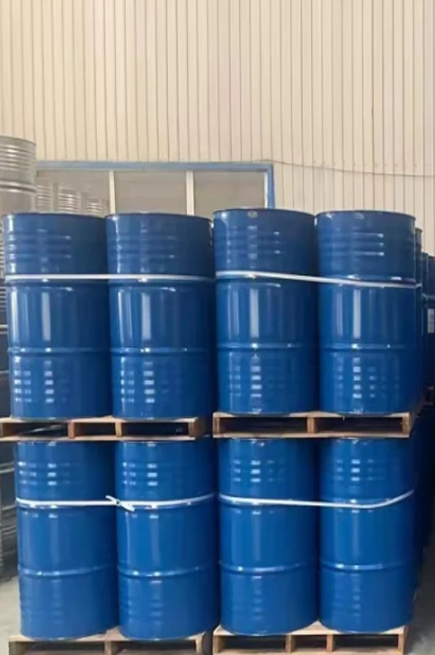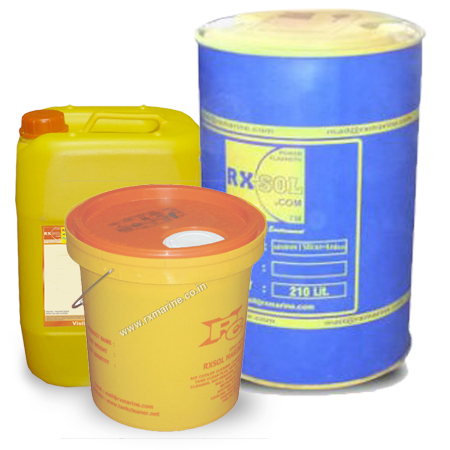
Glycerol MonoStearate GMS

Glycerol Monostearate GMS is used as an emulsifier and stabilizer in bakery, confectionery, dairy, and processed foods

SKU: RXSOL-45-1797-025 Category:

Description

Glycerol Monostearate GMS is used as an emulsifier and stabilizer in bakery, confectionery, dairy, and processed foods
GMS also used in pesticide and agrochemical formulations as an emulsifying and dispersing agent.
Glycerol Monostearate (GMS) Manufacturer and supplier in India, UAE, Oman

Glycerol Monostearate (GMS) is a versatile non-ionic surfactant widely used across food, pharmaceutical, cosmetic, textile, and industrial applications. It functions as an effective emulsifier, thickening agent, stabilizer, moisturizer, and lubricant.

Its excellent emulsification, consistency enhancement, and compatibility make it a preferred ingredient in various formulations.




Product Details

Application

Common Uses

  • Emulsifier

  • Thickening Agent

  • Stabilizer

  • Moisturizer

  • Lubricant

Dosage & Procedure

Benefits

  • Excellent emulsifying and thickening performance

  • Provides formulation stability and consistency

  • Compatible with a wide range of ingredients

  • Offers moisturizing and lubricating properties

  • Biodegradable and environmentally friendly

  • Cost-effective for industrial and commercial applications

Technical Specifications

Chemical Information

CAS No.: 31566-31-1
HS Code: 29157030

Properties

  • Molecular Formula: C21H42O4

  • Molecular Weight: 358.57 g/mol

  • Appearance: White to yellowish solid

  • Density: 0.95 – 1.05 g/cm³

  • Solubility: Soluble in water, ethanol, and glycols

Analysis Results Parameters Units STD Specs Report
Appearance Clear off white Passes
Iodine Value cc/100gm 3.0 Max 0.65
Acid Value 2.85
Saponification Value 166.35
Melting Point 55.7 mg KOH/gm 6.0 Max mg KOH/gm 145 - 170 °C 55 - 60

Monoglyceride 40.38
Free Glycerin: 4.55 % 40.0 Min % 7.0 Max
Remarks: Quality of the above Product is tested at our Lab and found within the limits of Standard Specifications. 

Notes & Precautions

Applications

Food Industry

Used as an emulsifier and stabilizer in bakery, confectionery, dairy, and processed foods.

Pharmaceuticals

Used as an excipient, binder, and emulsifier in creams, ointments, and tablet formulations.

Cosmetics & Personal Care

Widely used in skincare creams, lotions, haircare products, and makeup formulations for texture enhancement and stability.

Industrial Cleaning

Used in specialty formulations for descaling, degreasing, and cleaning applications.

Textile & Leather Industry

Used as a softening, lubricating, and processing aid.

Agricultural Chemicals

Used in pesticide and agrochemical formulations as an emulsifying and dispersing agent.

Generic / Chemical Name

GMS SE Flakes

Supply Locations

Glycerol Mono Stearate manufacturer supplier distributor in Mumbai, Kandla, Kolkata, Vizag, Chennai, India, Fujairah, Dubai, Sharjah, UAE, Gulf, Middle East, Muscat Oman, Kenya Africa. Get the best quality of Glycerol Mono Stearate at a competitive price from us. We have ready stock of Glycerol Mono Stearate in India, UAE Gulf, Oman, Kenya Africa. Contact us for bulk as well as small orders.

Safety Data (MSDS)

Product Name               Glycerol Mono Stearate            
Part Number   RXSOL-94-1797-025

Company Details:

RX MARINE INTERNATIONAL
105, A wing , BSEL , TECH PARK.
VASHI ,NEW BOMBAY 400703 INDIA

Branch : Kandla, Mumbai , Chennai, Vizag, Kolkata, UAE , OMAN , CANADA and KENYA  

Phone +91 22 20871200 - 1400
Fax +91 22 27612100 :::AOH :0091 9821214367
Email mail@rxmarine.com
Website www.rxmraine.com

Chemical  Name                            CAS                    EC number          Weight                  Formula                
Glycerol monostearate 31566-31-1               250-705-4 100 % C21H42O


Classification of the substance or mixture Not a hazardous substance or mixture according to Regulation (EC) No. 1272/2008.
Label elements Not a hazardous substance or mixture according to Regulation (EC) No. 1272/2008.
Other hazards
This substance/mixture contains no components considered to be either persistent, bioaccumulative
and toxic (PBT), or very persistent and very bioaccumulative (vPvB) at levels of 0.1% or higher.
Hazards identification
Classification of the substance or mixture Not a hazardous substance or mixture according to Regulation (EC) No. 1272/2008
Label elements Not a hazardous substance or mixture according to Regulation (EC) No. 1272/2008
Other hazards This substance/mixture contains no components considered to be either persistent, bioaccumulative and toxic (PBT), or very persistent and very bioaccumulative (vPvB) at levels of 0.1% or higher.
Signal Word  None.
Storage Precaution  Keep away from heat, hot surfaces, sparks, open flames and other ignition sources. No smoking.
Precautionary statements  response IF IN EYES: Rinse cautiously with water for several minutes. Remove contact lenses, if present and easy to do. Continue rinsing. P337 + P313 If eye irritation persists: Get medical advice/ attention. 
Classification of the substance or mixture Not a hazardous substance or mixture according to Regulation (EC) No 1272/2008.
Supplemental Hazard      Statements None.
Other hazards  This substance/mixture contains no components considered to be either persistent, bioaccumulative and toxic (PBT), or very persistent and very bioaccumulative (vPvB) at levels of 0.1% or higher.

General advice None.
If inhaled  After inhalation: fresh air.
Eye Contact After eye contact: rinse out with plenty of water. Remove contact lenses.
Swallowed After swallowing: make victim drink water (two glasses at most). Never give anything by mouth to an unconscious person. Rinse mouth with water. Consult doctor if feeling unwell.
Skin Contact Rinse skin with water/ shower. Wash off with soap and  water.
Inhalation Remove patient to fresh air,  keep warm and at rest and get medical assistance in necessary. 
Ingestion Rinse mouth with water. Do not induce vomiting. Never give anything by mouth to an unconscious person. Call a doctor or Poison Control Center immediately.
Most important symptoms and effects, both acute and delaye The most important known symptoms and effects are described in the labelling (see section 2.2) and/or in section 11
Indication of any immediate medical attention and special treatment needed  No data available

Flammability                                                  May be combustible at high temperature.
Suitable extinguishing media Use water spray, alcohol-resistant foam, dry chemical or carbon Water Foam Carbon dioxide (CO2) Dry powder
Unsuitable extinguishing media For this substance/mixture no limitations of extinguishing agents are given.
Special hazards arising from the substance or mixture  Carbon oxides Combustible. Vapors are heavier than air and may spread along floors. Forms explosive mixtures with air on intense heating. Development of hazardous combustion gases or vapours possible in the event of fire.
Further information Prevent fire extinguishing water from contaminating surface water or the ground water system.
Hazardous combustion
products
Fire may cause the evolution of Carbon oxides.
Advice for firefighters In the event of fire, wear self-contained breathing apparatus.
Protective Equipment Use personal protective equipment.
Specific Hazards Arising from the Chemical Has a fire-promoting effect due to the release of oxygen.
Ambient fire may liberate hazardous vapours.


Personal precautions, protective equipment and emergency procedures Avoid dust formation. Avoid inhalation of dusts. For personal protection see section 8.
Enviromental Precaution No special environmental precautions required.
Methods and materials for containment and cleaning up Sweep up and shovel. Keep in suitable, closed containers for disposal.
Reference to other sections For disposal see section 13.

Precautions for safe handling Provide appropriate exhaust ventilation at places where dust is formed. For precautions see section 2.2.
Conditions for safe storage, including any incompatibilities

Store in cool place. Keep container tightly closed in a dry and well-ventilated place. Storage class (TRGS 510): Non Combustible Solids.

Advice on protection against fire and explosion Keep away from open flames, hot surfaces and sources of ignition.Take precautionary measures against static discharge.
Incompatible materials  Keep away from alkalis, strong oxidizing agents and metals. Provide containment walls of adequate capacity to hold any accidental spills. 
Conditions for safe storage, including any incompatibilities  Tightly closed. Dry. Recommended storage temperature 15 - 25 °C
Storage conditions Tightly closed. Dry.
Advice on general occupational hygiene Advice on safe handling Observe label precautions. Wash hands after working with substance.
Requirements for storage  Keep in cool and store under shade. 

Eye/face protection Use equipment for eye protection tested and approved under appropriate government standards such as NIOSH (US) or EN 166(EU)
Skin protection
Handle with gloves. Gloves must be inspected prior to use. Use proper glove removal technique
(without touching glove's outer surface) to avoid skin contact with this product. Dispose of
contaminated gloves after use in accordance with applicable laws and good laboratory practices. Wash and dry hands.
Body Protection
Choose body protection in relation to its type, to the concentration and amount of dangerous
substances, and to the specific work-place., The type of protective equipment must be selected
 
Respiratory protection
Respiratory protection is not required. Where protection from nuisance le (EN 143) dust masks. Use respirators and components tested and approved under appropriate government standards
such as NIOSH (US) or CEN (EU).
Control of environmental exposure No special environmental precautions required.


Exposure controls  No specific additional engineering controls are required. Provide good natural or artificial ventilation. 
Engineering Control Change contaminated clothing. Wash hands after working with substance.
Eye/face protection Use equipment for eye protection tested and approved under appropriate government standards such as NIOSH (US) or EN 166(EU). Safety glasses
Body Protection Protective clothing.
Skin protection When dissolving in or mixing with other substances and under conditions deviating from those stated in EN374 please contact the supplier of CE-approved gloves. Full contact Material: Nitrile rubber.
Respiratory protection Required when dusts are generated. Our recommendations on filtering respiratory protection are based on the following standards: DIN EN 143, DIN 14387 and other accompanying standards relating to the used respiratory protection system. Recommended Filter type: Filter type P1 The entrepeneur has to ensure that maintenance, cleaning and testing of respiratory protective devices are carried out according to the instructions of the producer. These measures have to be properly documented.
Other Protection      Measure Handle in accordance with good industrial hygiene and safety practice.
Thermal hazards No data available

Physical state Solid
Colour White
Odour No data available
Odor Threshold Not Applicable
pH No data available                                                                                                     
Melting Point No data available
Boiling Point No data available
Flash Point 204 °C - closed cup
Evaporation Rate Not Applicable
Flammability (solid, gas) No data available
Explosive limits No Data Available
Upper flammability or explosive limits No data available
Autoignition temperature No data available
Decomposition temperature  No data available
Relative Vapour pressure No data available 
Density No data available
Vapour Density No data available
Freezing point  No data available 
Specific Gravity No data available 
Partition coefficient No data available  
Explosive properties No data available 
Solubility No data available
Ignition temperature No information available.
Particle characteristics No data available 


Reactivity                    No data available
Chemical stability Stable under recommended storage conditions. The product is chemically stable under standard ambient conditions (room temperature) 
Possibility of hazardous reactions No data available
Incompatible materials
Strong oxidizing agents, Acids and bases
Hazardous product dicomposition            Hazardous decomposition products formed under fire conditions. - Carbon oxides In the event of fire: see section 5


Conditions to avoid Strong heating.
Incompatible materials No data available
Hazardous Polymerization In the event of fire: see section 5

 
Acute toxicity LD50 Oral - Rat - > 5,000 mg/kg(Stearic acid monoester with
Skin corrosion/irritation
Skin - Rabbit(Stearic acid monoester with glycerol)
Result: No skin irritation.
Respiratory or skin sensitization 
Eyes - Rabbit(Stearic acid monoester with glycerol)
Result: No eye irritation
Serious eye damage/eye irritation Eyes - Rabbit Result: Irreversible effects on the eye
Respiratory or skin sensitisation No data available(Stearic acid monoester with glycerol)
Germ cell mutagenicity No data available(Stearic acid monoester with glycerol)
Carcinogenicity No component of this product present at levels greater than or equal to 0.1% is identified as probable, possible or confirmed human carcinogen by IARC
Reproductive toxicity  No data available(Stearic acid monoester with glycerol)
Specific target organ toxicity  single exposure No data available(Stearic acid monoester with glycerol)
Specific target organ toxicity  repeated exposure No data available
Aspiration hazard No data available(Stearic acid monoester with glycerol)
Additional Information RTECS: Not available


Persistence and degradability No data available
Toxicity to fish  LC50 - Pimephales promelas (fathead minnow) - 8.569 mg/l - 96 h Remarks: (IUCLID)
Toxicity to daphnia and other aquatic invertebrates Semi-static test EC50 - Daphnia magna (Water flea) - 943 mg/l - 48 h (OECD Test Guideline 202)
Toxicity to algae Semi-static test ErC50 - Pseudokirchneriella subcapitata (green algae) - > 10.000 mg/l - 72 h (OECD Test Guideline 201)
Toxicity to bacteria No data available
Mobility in soil No Information available
Results of PBT and vPvB assessment This substance/mixture contains no components considered to be either persistent, bioaccumulative and toxic (PBT), or very persistent and very bioaccumulative (vPvB) at levels of 0.1% or higher.
Endocrine disrupting       properties The substance/mixture does not contain components considered to have endocrine disrupting properties according to REACH Article 57(f) or Commission Delegated regulation (EU) 2017/2100 or Commission Regulation (EU) 2018/605 at levels of 0.1% or higher.
Other adverse effects No data available

Disposal methods The material can be disposed of by removal to a licensed chemical destruction plant or by controlled incineration with flue gas scrubbing. Do not contaminate water, foodstuffs, feed or seed by storage or disposal. Do not discharge to sewer systems.
Contaminated packaging Containers can be triply rinsed (or equivalent) and offered for recycling or reconditioning. Alternatively, the packaging can be punctured to make it unusable for other purposes and then be disposed of in a sanitary landfill. Controlled incineration with flue gas scrubbing is possible for combustible packaging materials.
Waste treatment      Method
Waste treatment methods Offer surplus and non-recyclable solutions to a licensed disposal company

UN number ADR/RID: -                     IMDG: -                                  IATA: -
UN proper shipping name   
ADR/RID: Not dangerous goods
IMDG: Not dangerous goods
IATA: Not dangerous goods 
Transport hazard class(es) ADR/RID: -                      IMDG: -                                 IATA: - 
Packaging group ADR/RID: -                      IMDG: -                                 IATA: 
Environmental hazards ADR/RID:                  no IMDG Marine pollutant:         no IATA: no
Special precautions for user No data available


Safety, health and environmental regulations/legislation specific for the substance or mixture Safety, health and environmental regulations/legislation specific for the substance or mixture
Chemical safety assessment For this product a chemical safety assessment was not carried out

Other Information

The information above is believed to be accurate and represents the  best information   currently    available  to us.  However,   we   make no warranty of merchantability or any other warranty, express or implied, with respect to such information, and  weassume  no liability resulting from its use. Users should make  their  own  investigations  to determine the suitability of the information for their particular purposes. In no event shall be liable for any claims, losses, or damages of any third party or for lost profits or any special, indirect, incidental, consequential or exemplary damages, howsoever arising, even if Rx Marine International  has been advised of the possibility of such damages.

DISCLAIMER OF LIABILITY :The information in this SDS was obtained from sources which we believe are reliable. However, the information is provided without any warranty, express or implied, regarding its correctness. The conditions or methods of handling, storage, use or disposal of the product are beyond our control and may be beyond our knowledge. For this and other reasons, we do not assume responsibility and expressly disclaim liability for loss, damage or expense arising out of or in any way connected with the handling, storage, use or disposal of the product. This MSDS was prepared and is to be used only for this product. If the product is used as a component in another product, this MSDS information may not be applicable.


If breathed in, move person into fresh air. If not breathing, give artificial respiration.
top