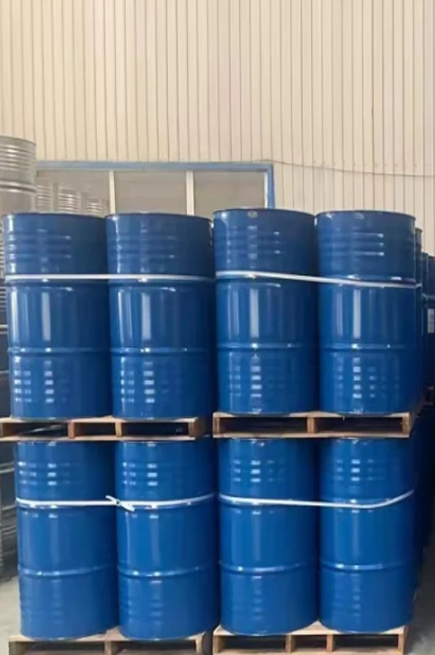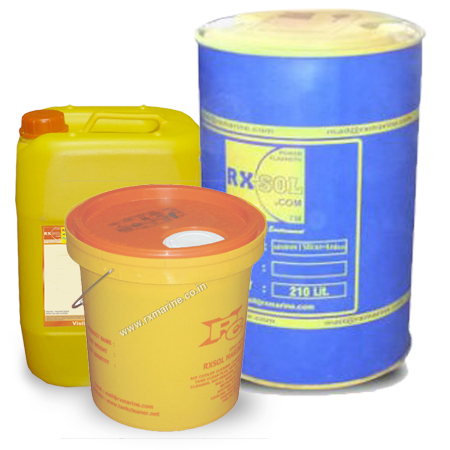
Trisodium Citrate Dihydrate

Buffering, sequestering or emulsifying agent. Trisodium citrate dihydrate occurs as white, granular crystals or as white, crystalline powder with a pleasant, salty taste.

SKU: RXSOL-60-1050-025 Category:

Description

Sodium citrate has the greatest demand when being used as a food additive; As food additives, it is mainly used as flavoring agents, buffers, emulsifiers, bulking agents, stabilizers and preservatives; in addition, combination between sodium citrate and citric acid can be used in a variety of jams, jelly, juice, drinks, cold drinks, dairy products and pastries gelling agents, flavoring agents and nutritional supplements.







Product Details

Application

        Applications:

  • It can be used as Ph adjusting agents and emulsifying enhancers applied to jam, candy, jelly and ice cream; its combination with citric acid has an effect of alleviating tour; it also has effects on forming complex with metal ions. China rules that it can be applied to various types of food with appropriate usage according to the absolute necessity.
  • It can be used as a food additive, as complex agent and buffering agent in electroplating industry; at the field of pharmaceutical industry, it is used for the manufacturing of anti-clotting drugs; and used as the detergent additives in light industry.
  • It is used as the analysis agents used for chromatography analysis and can also used for preparing bacterial culture medium; moreover, it can also be applied into pharmaceutical industry.
  • The product can be used for the flavoring processing of food, as stabilizers, buffers and deputy complex-forming agents in non-toxic electroplating industry; at pharmaceutical industry, it is used as anti-clotting agent, phlegm drugs and diuretics drugs. It can also be used in brewing, injection, newspaper and movies medicines.Sodium citrate, as either the dihydrate or anhydrous material, is widely used in pharmaceutical formulations.
  • It is used in food products, primarily to adjust the pH of solutions. It is also used as a sequestering agent. The anhydrous material is used in effervescent tablet formulations.
  • Sodium citrate is additionally used as a blood anticoagulant either alone or in combination with other citrates such as disodium hydrogen citrate.
  • Therapeutically, sodium citrate is used to relieve the painful irritation caused by cystitis, and also to treat dehydration and acidosis due to diarrhea.

Dosage & Procedure

Sodium citrate has no toxic effect, and has pH adjusting capability as well as having a good stability, and therefore can be used in the food industry. 

Technical Specifications

Sodium citrate, (molecular formula: Na3C6H5O7 • 2H2O) has molecular weight of 294.1, is a colorless crystal or white crystalline powder product; it is odorless, salty taste, and cool.It will lose its crystal water at 150 °C and will be decomposed at even higher temperature. It also has slight deliquescence in wet air and has weathering property upon hot air. It is soluble in water and glycerol, but insoluble in alcohol and some other organic solvents. 


Physical Properties:

Melting point  >300 °C(lit.)
Density 1.76
Flash point 173.9 °C
Storage temprature  Store at +5°C to +30°C.
Solublity H2O: 100 mg/mL
Form Powder
Colour White
PH 7.0-9.0
Water solublity 720 g/L (25 ºC)
Stability Stable. Incompatible with bases, reducing agents, oxidizing agents.

Safety Data (MSDS)

Porduct Name               Trisodium Citrate Dihydrate
Part Number   RXSOL-60-1050-025

Company Details:

RX MARINE INTERNATIONAL
105, A wing , BSEL , TECH PARK.
VASHI ,NEW BOMBAY 400703 INDIA

Branch : Kandla, Mumbai , Chennai, Vizag, Kolkata, UAE , OMAN , CANADA and KENYA  

Phone +91 22 20871200 - 1400
Fax +91 22 27612100 :::AOH :0091 9821214367
Email mail@rxmarine.com
Website www.rxmraine.com

Product name       Cas No                        EC No              Weight                         Formula                   
tri-Sodium citrate dihydrate 6132-04-3 200-675-3 294,10 g/mol  Na3C6H5O7 · 2H2O
Signal Word  No data available
Hazard Statements No data available
Precautionary statements   No data available
Classification of  the substance    or  mixture No data available
Supplemental Hazard    Statements No data available
Other hazards  This substance/mixture contains no components considered to be either persistent, bioaccumulative and toxic (PBT), or very persistent and very bioaccumulative (vPvB) at levels of 0.1% or higher.

General advice No data available
If inhaled After inhalation fresh air. 
Eye Contact  After eye contact: rinse out with plenty of water. Remove contact lenses.
Swallowed After swallowing: immediately make victim drink water (two glasses at most). Consult a physician. 
Skin Contact   In case of skin contact Take off immediately all contaminated clothing. Rinse skin with water/ shower. Call a physician immediately
Inhalation No data available
Ingestion No data available
Most important    symptoms and effects,  both acute and delaye  The most important known symptoms and effects are described in the labelling (see section 2.2) and/or in section 11
Indication of any immediate medical        attention and special treatment needed  No data available

Flammability                                                  No data available
Suitable extinguishing media  Water Foam Carbon dioxide (CO2) Dry powder 
Unsuitable extinguishing media For this substance/mixture no limitations of extinguishing agents are given. 
Special hazards arising from the substance or mixture  Carbon oxides Sodium oxides Combustible. Development of hazardous combustion gases or vapours possible in the event of fire.
Further information Suppress (knock down) gases/vapors/mists with a water spray jet. Prevent fire extinguishing water from contaminating surface water or the ground water system.
Hazardous combustion
products
No data available
Advice for firefighters In the event of fire, wear self-contained breathing apparatus..
Protective Equipment No data available
Specific Hazards Arising from the Chemical No data available

Personal precautions, protective equipment and emergency procedures Advice for non-emergency personnel: Avoid inhalation of dusts. Evacuate the danger area, observe emergency procedures, consult an expert. For personal protection see section 8.
Spillage No data available
Personal Protection No data available
Enviromental Precaution Do not let product enter drains. Risk of explosion.
Methods and materials for
containment and cleaning
Cover drains. Collect, bind, and pump off spills. Observe possible material restrictions (see sections 7 and 10). Take up dry. Dispose of properly. Clean up affected area. Avoid generation of dusts.
Reference to other sections    For disposal see section 13.

Advice on protection against fire and                explosion No data available
Incompatible materials  No data available
Hygiene measures No data available
Advice on safe handling  For precautions see section 2.2.
Conditions for safe storage including any  incompatibilities 

No data available

Storage conditions Tightly closed. Dry. Recommended storage temperature see product label.
Storage class Storage class (TRGS 510) 11 Combustible Solids
Specific end use(s) Apart from the uses mentioned in section 1.2 no other specific uses are stipulated
Advice on general  occupational  hygiene No data available

Exposure controls  Personal protective equipment 
Engineering Control No data available
Eye/face protection Use equipment for eye protection tested and approved under appropriate government standards such as NIOSH (US) or EN 166(EU). Safety glasses
Body Protection Protective clothing.
Skin protection This recommendation applies only to the product stated in the safety data sheet, supplied by us and for the designated use. When dissolving in or mixing with other substances and under conditions deviating from those stated in EN 16523-1 please contact the supplier of CE-approved gloves (e.g. KCL GmbH, D-36124 Eichenzell, Internet: www.kcl.de). Full contact Material: butyl-rubber Minimum layer thickness: 0,7 mm Break through time: 480 min Material tested:Butoject® (KCL 898) This recommendation applies only to the product stated in the safety data sheet, supplied by us and for the designated use. When dissolving in or mixing with other substances and under conditions deviating from those stated in EN 16523-1 please contact the supplier of CE-approved gloves (e.g. KCL GmbH, D-36124 Eichenzell, Internet: www.kcl.de). Splash contact Material: Nitrile rubber Minimum layer thickness: 0,4 mm Break through time: 120 min Material tested:Camatril® (KCL 730 / Aldrich Z677442, Size M)
Respiratory protection
Required when dusts are generated. Our recommendations on filtering respiratory protection are based on the following standards: DIN EN 143, DIN 14387 and other accompanying standards relating to the used respiratory protection system. Recommended Filter type: Filter type P2The entrepeneur has to ensure that maintenance, cleaning and testing of respiratory protective devices are carried out according to the instructions of the producer. These measures have to be properly documented.
Other Protection  Measure No data available

Physical state Solid
Colour White
Odour Odorless
Odor Threshold No data available
pH 7,5 - 9 at 29,4 g/l at 25 °C
Melting Point 300 °C
Boiling Point No data available 
Flash Point No data available 
Evaporation Rate No data available
Flammability (solid, gas) No data available
Explosive limits No data Available
Upper/lower flammability or explosive limits No data available 
Autoignition temperature No data available
Decomposition temperature  No data available 
Vapour pressure No data available      
Viscosity No data available 
Density No data available 
Relative Density No data available 
Specific Gravity No data available 
Partition coefficient No data available 
Explosive properties No data available 
Solubility 29,4 g/l at 20 °C - completely soluble
Ignition temperature No data available
Particle characteristics No data available 

Reactivity                        The following applies in general to flammable organic substances and mixtures: in correspondingly fine distribution, when whirled up a dust explosion potential may generally be assumed.
Chemical stability The product is chemically stable under standard ambient conditions (room temperature)
Possibilityof hazardous  reactions Violent reactions possible with Strong oxidizing agents
Conditions to avoid No data available
Incompatible materials
No data available
Hazardous decomposition products In the event of fire: see section 5

Acute toxicity  LD50 Oral - Mouse - male and female - 5.400 mg/kg (OECD Test Guideline 401) Inhalation  LD50 Dermal - Rat - male and female - > 2.000 mg/kg (OECD Test Guideline 402)
Skin corrosion/irritation Skin - Rabbit  No skin irritation - 4 h (OECD Test Guideline 404)  (anhydrous substance)
Serious eye      damage/irritation Eyes - Rabbit  No eye irritation - 72 h (OECD Test Guideline 405)  (anhydrous substance)
Respiratory or skin    sensitization  Maximization Test - Guinea pig  negative (OECD Test Guideline 406)  (anhydrous substance)
Carcinogenicity No data available
Germ cell        mutagenicity  Test Type Ames test Test system: S. typhimuriumMetabolic activation with and without metabolic activation Method OECD Test Guideline 471 negative Test Type: Micronucleus test Test system Human lymphocytes Metabolic activation without metabolic activation Method OECD Test Guideline 487 Result: positive Test Type dominant lethal test Species Rat Application Route: Oral Method: Regulation (EC) No. 440/2008, Annex, B.22 Result negative Test Type: Chromosome aberration test Species Rat Cell type: Bone marrow Application Route: Oral Method: OECD Test Guideline 475 Result: negative
Reproductive toxicity  No data available
Specific target  organ  toxicity -  single  exposure  
No data available
Additional Information The substance/mixture does not contain components considered to have endocrine disrupting properties according to REACH Article 57(f) or Commission Delegated regulation (EU) 2017/2100 or Commission Regulation (EU) 2018/605 at levels of 0.1% or higher. To the best of our knowledge, the chemical, physical, and toxicological properties have not been thoroughly investigated.

Persistence and degradability The methods for determining the biological degradability are not applicable to inorganic substances.
Toxicity to fish  LC50 - Poecilia reticulata (guppy) - > 18.000 - 32.000 mg/l - 96 h  (anhydrous substance) (IUCLID)
Toxicity to daphnia and other  aquatic invertebrates EC50 - Daphnia magna (Water flea) - 5.600 - 10.000 mg/l - 48 h  (anhydrous substance) (IUCLID)
Toxicity No data available
Toxicity to bacteria   No data available
Toxicity to algae No data available
Products Biodegradation No data available
Mobility in soil No data availalble
Results of PBT and vPvB        assessment This substance/mixture contains no components considered to be either persistent, bioaccumulative and toxic (PBT), or very persistent and very bioaccumulative (vPvB) at levels of 0.1% or higher.
Endocrine disrupting          properties  The substance/mixture does not contain components considered to have endocrine disrupting properties according to REACH Article 57(f) or Commission Delegated regulation (EU) 2017/2100 or Commission Regulation (EU) 2018/605 at levels of 0.1% or higher
Other adverse effects No data available

Product See www.retrologistik.com for processes regarding the return of chemicals and containers, or contact us there if you have further questions.
Contaminated packaging No data available
Waste treatment  Method No data available

UN number ADR/RID:-  IMDG:-  

IATA:-

UN proper shipping  name  ADR/RID:Not dengerous goods          IMDG:Not dengerous goods   IATA:Not dengerous goods
Transport hazard  class(es)               ADR/RID:- IMDG:-                      IATA:-
Packaging group ADR/RID:-                            IMDG:- IATA:-
Environmental hazards ADR/RID:No                                    IMDG:No                                IATA:No
Special precautions for  user    No data available                                 
Further information No data available    

Safety, health and environmental  regulations/legislation specific for   the  substance or mixture This material safety data sheet complies with the requirements of Regulation (EC) No. 1907/2006.
Other regulations No data available
Chemical Safety Assessment A Chemical Safety Assessment was not carried out for this substance.

Other Information

The information above is believed to be accurate and represents the  best information   currently    available  to us.  However,   we   make no warranty of merchantability or any other warranty, express or implied, with respect to such information, and  weassume  no liability resulting from its use. Users should make  their  own  investigations  to determine the suitability of the information for their particular purposes. In no event shall be liable for any claims, losses, or damages of any third party or for lost profits or any special, indirect, incidental, consequential or exemplary damages, howsoever arising, even if Rx Marine International  has been advised of the possibility of such damages.

DISCLAIMER OF LIABILITY :The information in this SDS was obtained from sources which we believe are reliable. However, the information is provided without any warranty, express or implied, regarding its correctness. The conditions or methods of handling, storage, use or disposal of the product are beyond our control and may be beyond our knowledge. For this and other reasons, we do not assume responsibility and expressly disclaim liability for loss, damage or expense arising out of or in any way connected with the handling, storage, use or disposal of the product. This MSDS was prepared and is to be used only for this product. If the product is used as a component in another product, this MSDS information may not be applicable.

top